


Plastic waste is a frustrating issue, but it can be more complicated than it appears on the surface. One Redditor from New Zealand opened up a can of worms when they critiqued a plastic-wrapped ear of corn they found at a local shop.
What happened?
The Reddit user shared a photo they took of a package of LeaderBrand corn.
"Such wasteful packaging! Not like there isn't a natural alternative…" they complained.
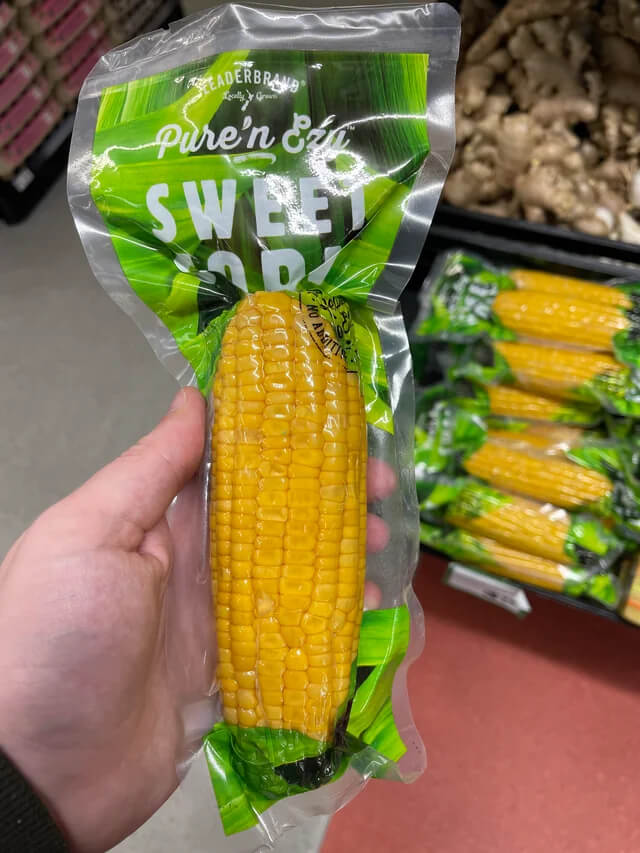
The photo shows that the husk has been removed from the ear of corn, and it looks as though it has probably been cooked. It's vacuum-sealed in a plastic bag that proclaims it is "locally grown" with "no additives."
Why does the plastic packaging matter?
While those labels might attract a buyer looking for a healthy and eco-friendly choice, the plastic itself is a problem.
Plastic products, including water bottles and Styrofoam food containers, can leach unhealthy chemicals into the products. Plus, the plastic itself doesn't break down like organic materials, is unlikely to be recycled, and sheds microplastics that pollute the environment.
Perk up the winter blues with natural, hemp-derived gummies Camino's hemp-derived gummies naturally support balance and recovery without disrupting your routine, so you can enjoy reliable, consistent dosing without guesswork or habit-forming ingredients. Flavors like sparkling pear for social events and tropical-burst for recovery deliver a sophisticated, elevated taste experience — and orchard peach for balance offers everyday support for managing stress while staying clear-headed and elevated.
Learn more → |

At best, it will likely sit in a landfill somewhere for decades — if it doesn't end up as litter.
Is LeaderBrand doing anything about this?
As one commenter pointed out, there might still be a good reason for the company to package its corn this way.
"It is wasteful, yes, but those are usually bought when corn is out of season. They're vacuum-packed to make them last longer," they explained.
Other commenters still weren't satisfied.
TCD Picks » Upway Spotlight
💡Upway makes it easy to find discounts of up to 60% on premium e-bike brands





"Why are we consuming food out of season and adding to waste that lasts millions of years? Doesn't make sense to me," said another user.
On the other hand, if the "locally grown" label is accurate, that might outweigh the use of plastic packaging. Transporting food long distances creates heat-trapping air pollution from vehicle exhaust, and minimizing that pollution is good for the planet.
What's being done more broadly about plastic waste?
Ideally, buyers should support brands with plastic-free packaging when possible. Some cities and states are also going so far as to ban certain kinds of packaging.
Meanwhile, researchers are looking for alternatives to keep fruits and vegetables fresh. These include edible coatings and sprays that can be washed off — and that make the produce last even longer than plastic does.
One commenter also hoped that providers would one day be directly responsible for the plastic waste from their packaging.
"We kinda need to make the cleanup costs of pollution user-pays, so people can do what they like but aren't leaving cleanup costs for others to bear," they said.
Join our free newsletter for easy tips to save more, waste less, and help yourself while helping the planet.
Cool Picks






