


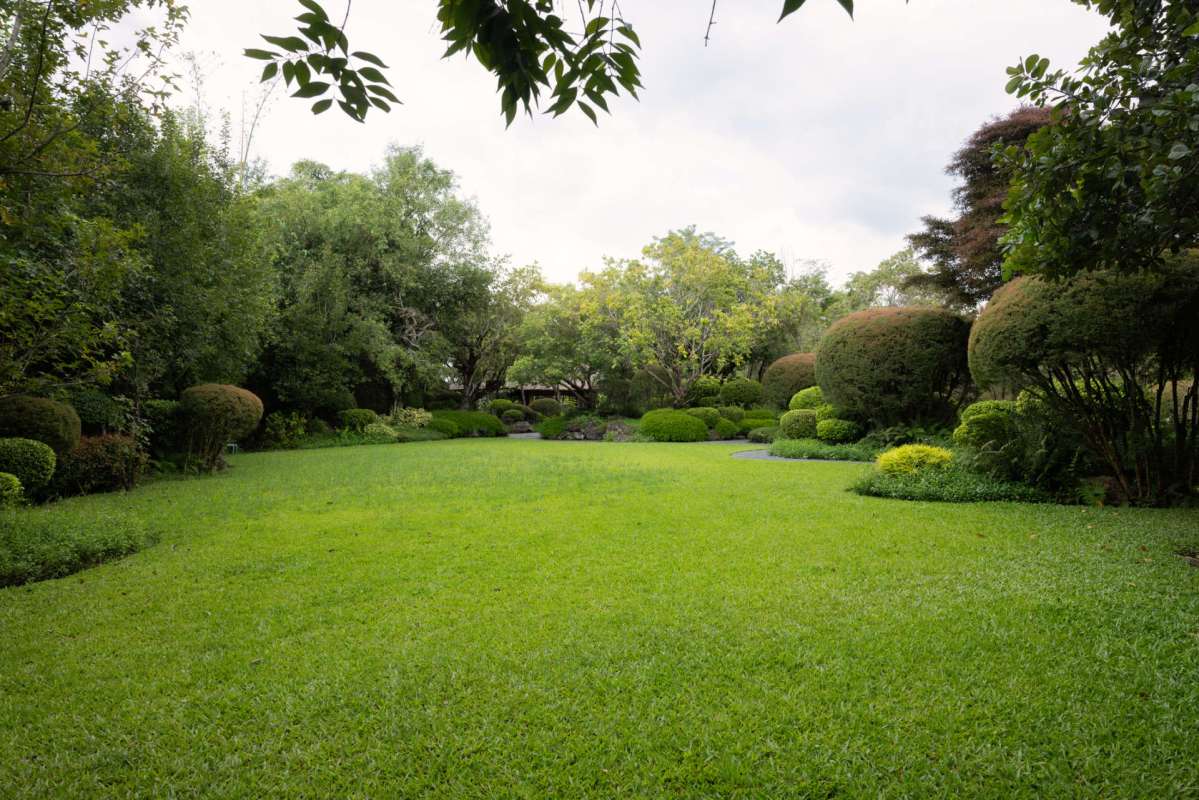
A spotless garden may look like a win, but the creator behind Glass Root Garden (@GlassRootGarden) says a yard with no bugs or other creatures eating it may not support much life at all.
"Pest-free doesn't mean healthy; it means starving," the creator wrote.
Here's what to know
Advice that steers city gardeners away from local plants often pushes them toward hardy species that people have introduced from other places. Glass Root Garden's creator said in a video that approach carries an ecological cost.
"For decades, we've been told that city soils and urban heat are too harsh for native plants and that we have to rely on tough exotics," the creator stated. "But skipping native plants because it's 'too hard' is an ecological dead end."
In this case, chewed leaves and visible insect activity can be evidence that a yard is feeding a local food web. Many insects, like caterpillars, rely on local plants and support birds and other wildlife higher up the chain.
Why is this important?
Traditional grass yards often require frequent mowing, watering, fertilizer, and weed control, which all take time and money. A native plant lawn or partly rewilded yard can reduce maintenance needs, lower water bills, and still look beautiful.
TCD Picks » Quince Spotlight
💡These best-sellers from Quince deliver affordable, sustainable luxury for all




It can also make neighborhoods more resilient. Local plants are generally better suited to local rainfall, temperatures, and wildlife than imported ornamental plants. They can provide excellent food and habitat for local ecosystems.
There's no one-size-fits-all lawn replacement either. Some households may opt for local plant beds, and others may prefer options like buffalo grass or xeriscaping with drought-tolerant options. Even a partial lawn replacement can help homeowners save time, spend less on upkeep, and use less water.
What can I do next?
Starting small is often the easiest step. Replacing just part of a conventional lawn can make a rewilding project more affordable while giving people a chance to learn what works best in their soil and climate.
From there, the most effective approach is usually to choose plants and ground cover that are suited to the site.

Get TCD's free newsletters for easy tips, smart advice, and a chance to earn $5,000 toward home upgrades. To see more stories like this one, change your Google preferences here.






