


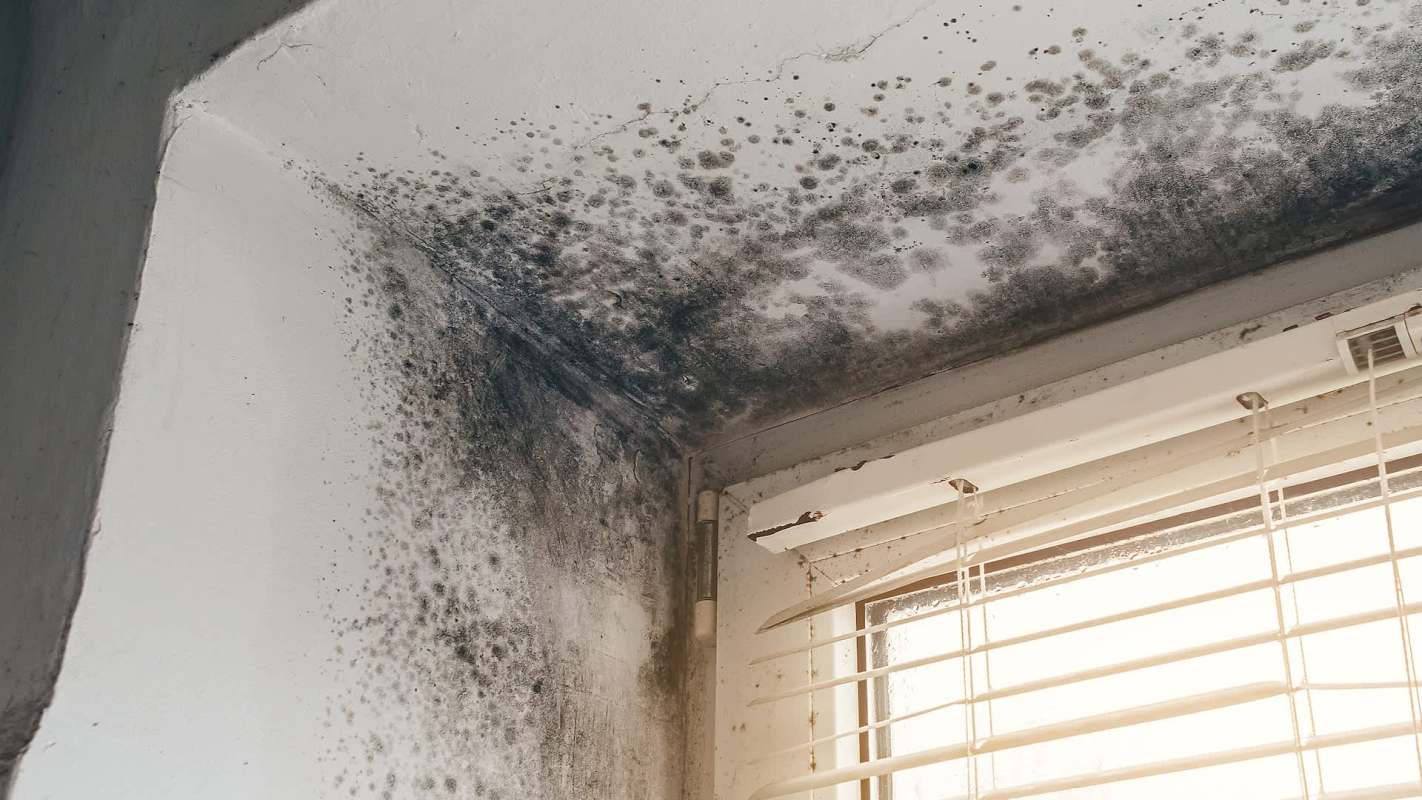
Residents in the southern United States say they are battling a threat spreading inside their walls — mold — and hotter, wetter conditions are worsening it.
What's happening?
A Grist report, co-published by North Carolina Health News, highlighted how increasing humidity, heavier rainfall, and stronger storms are creating ideal conditions for mold growth inside homes. When water seeps into walls, ceilings, and crawl spaces — whether it's from flooding, roof leaks, or high humidity — mold can quickly become a problem.
Recent catastrophic disasters, such as Hurricane Helene, have exacerbated the issue. Beyond property damage, many residents are also reporting health issues from respiratory distress to allergic reactions that appear linked to mold.
Why is mold in homes concerning?
Mold exposure is a public health issue. It has been linked to health complications — particularly in children, older adults, and those with compromised immune systems.
Despite mold being incredibly common, studies fall shockingly short on the matter, according to Grist. This is in part because it's difficult to track mold-related public health effects, as symptoms vary widely and are hard to attribute directly to mold.
This means tenants often have little recourse when dealing with mold in their homes. Cleanup can be expensive, and the laws are unclear regarding who is responsible for it. Meanwhile, those who can't afford to tackle the mold or move face growing health issues and higher bills.
One renter in Asheville's Evergreen Ridge Apartments, a complex residents say is dealing with mold growth, has experienced congestion for months and has been coughing up mucus each morning. "I don't want to have to wake up every day like that," she told Grist.
What can you do about mold risks?
At the household level, prompt leak repairs, improved ventilation, and moisture barriers can reduce the risk of mold taking over your home. For example, one creator suggested a hack for keeping your bathroom exhaust vent clean (maintaining airflow in rooms prone to moisture can prevent mold infestations).
However, not everyone has the time or money to tackle a mold problem. Not only is it difficult to get rid of once it starts growing, but sometimes it also persists in areas you can't see.
This evolving health issue underscores a bigger problem.
TCD Picks » Quince Spotlight
💡These best-sellers from Quince deliver affordable, sustainable luxury for all




|
Which of these savings plans for rooftop solar panels would be most appealing for you?
Click your choice to see results and earn rewards to spend on home upgrades. |
 Save $1,000 this year 💸
 As weather patterns grow more unpredictable with rising global temperatures, communities everywhere are paying the price. From increasingly hard-to-get and expensive insurance coverage to threats to health and livelihoods, pollution-driven climate shifts are making life harder for many.
Tackling the underlying problem — air pollution — is essential for a safer future for all. That includes moving away from polluting energy sources like coal and gas, reducing plastic use, and embracing policies that protect the environment and climate.

Get TCD's free newsletters for easy tips to save more, waste less, and make smarter choices — and earn up to $5,000 toward clean upgrades in TCD's exclusive Rewards Club.
Cool Picks






