


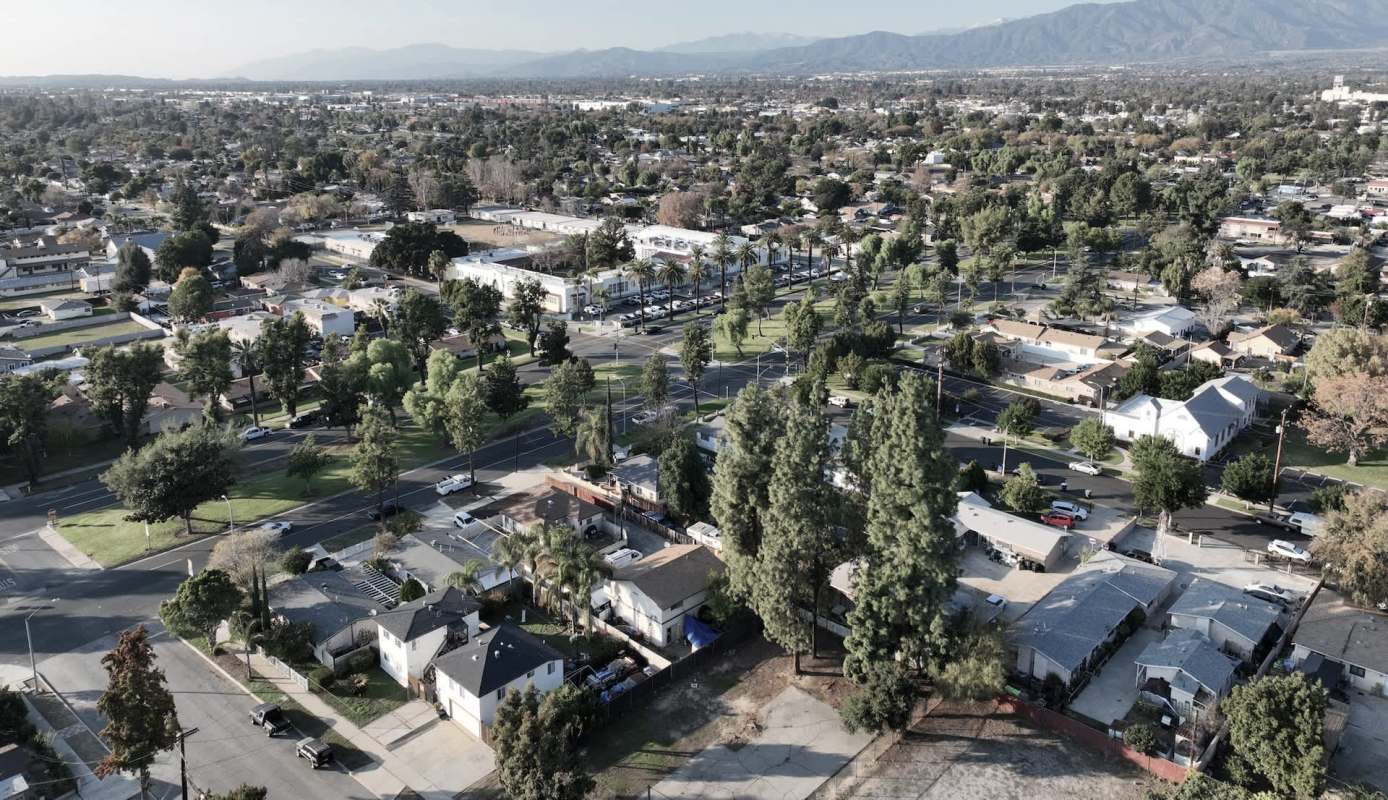
A year after devastating wildfires tore through the Los Angeles, California, area, many survivors are still dealing with insurance policies that won't cover the full cost of rebuilding their homes. It's a problem that has been quietly growing since the 1990s.
What's happening?
For decades, most American home insurance policies have been moving away from guaranteed replacement coverage, which once promised to rebuild homes at any cost. Instead, insurers now typically cap how much they'll pay — and it often falls far short of the actual costs of rebuilding. This situation can be exacerbated in the wake of major disasters in which entire neighborhoods are destroyed.
Advocacy group United Policyholders has surveyed wildfire survivors since 2007, finding that, on average, two-thirds are underinsured, typically by $200,000 or more, according to Bloomberg. The outlet reported that the Insurance Information Institute also estimated that two-thirds of American homeowners are underinsured for wildfires, sometimes by as much as 60%.
Meanwhile, the L.A. fires alone reportedly destroyed over 15,000 structures.
Why is this concerning?
The underinsurance crisis stems from the same forces driving more extreme weather.
The burning of oil, coal, and gas generates planet-warming pollution that can shift weather patterns and intensify disasters, including wildfires. More widespread damage means more claims are filed — and insurance companies are reacting to that, with some dropping coverage altogether, saying they can't maintain business as usual as disaster risks rise.
TCD Picks » Quince Spotlight
💡These best-sellers from Quince deliver affordable, sustainable luxury for all




Additionally, the soaring demand for labor and materials following catastrophic events can drive rebuilding costs even higher, making it difficult for insurance companies to accurately estimate the true costs of rebuilding.
"Climate change did not cause underinsurance, but it does expose it and amplify it," Kenneth Klein, a professor at California Western School of Law, told Bloomberg.
What's being done to protect homeowners?
California lawmakers recently introduced a disaster-recovery reform bill, Senate Bill 876, that would require insurance companies to offer guaranteed replacement cost policies.
In early February, State Senator Scott Wiener also introduced SB 982, known as the Affordable Insurance and Recovery Act. "Californians should not have to continue to pay the full cost of climate-driven disasters, given the role that fossil fuel corporations have played in getting us here," Wiener said at a press conference on February 5. "We have to ask, 'Who is not paying?'" he continued.
|
Which of these savings plans for rooftop solar panels would be most appealing for you?
Click your choice to see results and speak your mind. |
 Save $1,000 this year 💸
 In Colorado, meanwhile, State Insurance Commissioner Michael Conway is instead pushing insurers to offer credits for homeowners who take steps to fireproof their homes. Some states have also proposed stronger fire-prevention regulations, such as increasing defensible space around homes.
Consumer advocates like Amy Bach of United Policyholders argue the fix is to require insurers to fully restore fire-damaged properties. "If any state legislature were to pass a law [requiring this]," Bach told Bloomberg, "the problem would be solved because to avoid litigation liability, insurers would figure out how to get it right."
Meanwhile, homeowners are encouraged to thoroughly assess their insurance policies to understand their coverage in advance of disasters — from fires to flooding — especially those that pose unique and rising risks in their area.

Get TCD's free newsletters for easy tips to save more, waste less, and make smarter choices — and earn up to $5,000 toward clean upgrades in TCD's exclusive Rewards Club.






