


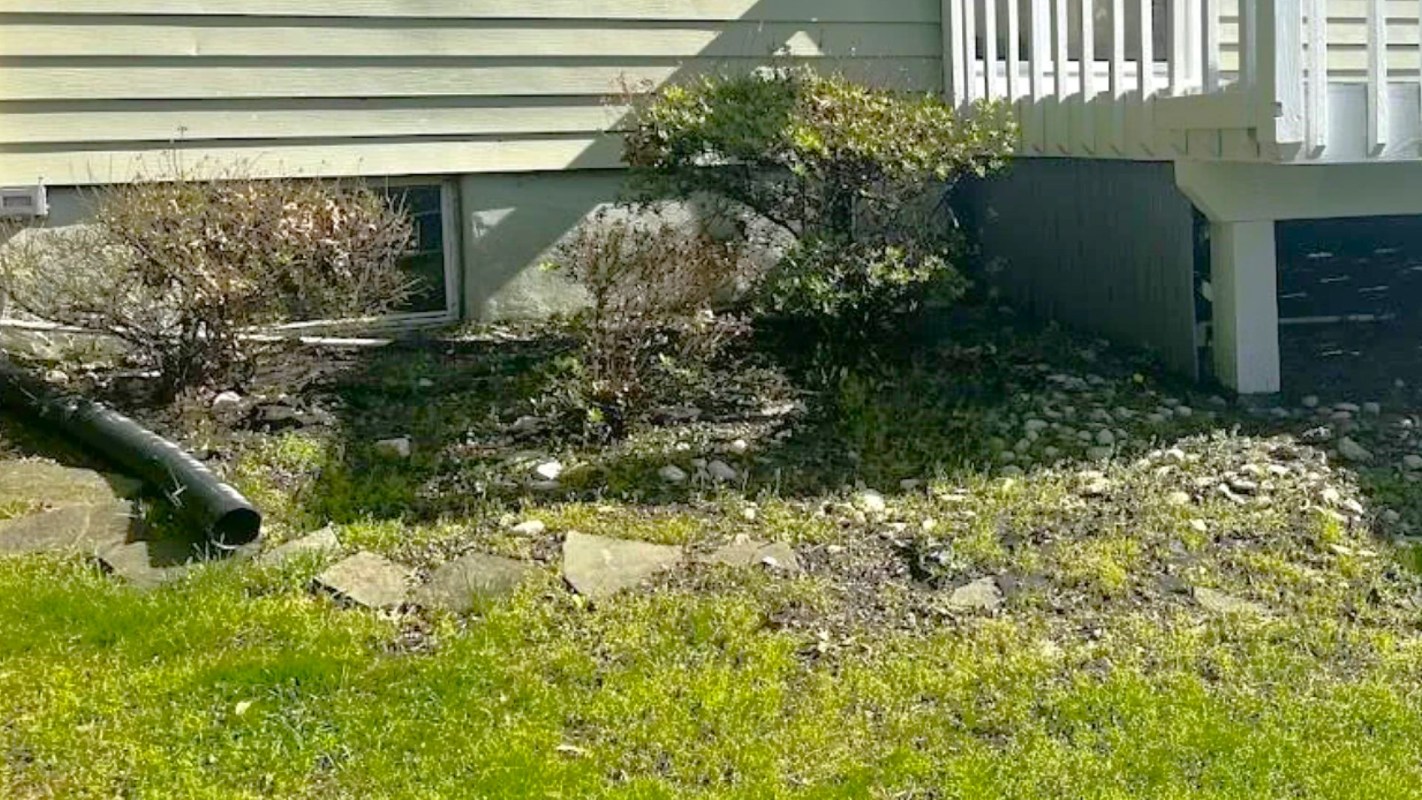
One homeowner had a shock after digging up part of their backyard, and sadly it wasn't buried treasure.
A post in the r/gardening subreddit detailed their experience with tearing up the landscaping fabric they uncovered.
A section of the original poster's yard, which had two old shrub bushes, kept getting weeds, so the OP dug them out along with three carts full of buried rocks, only to find "large amounts" of weed fabric used by the previous owner.
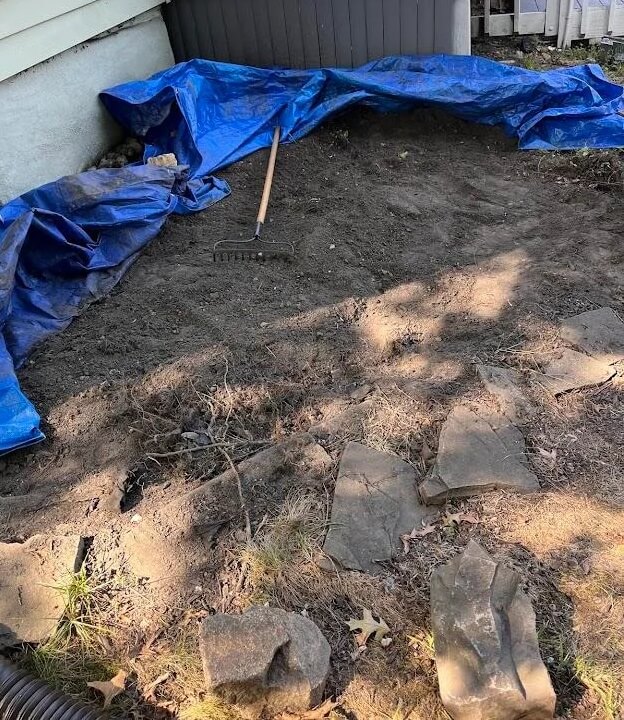
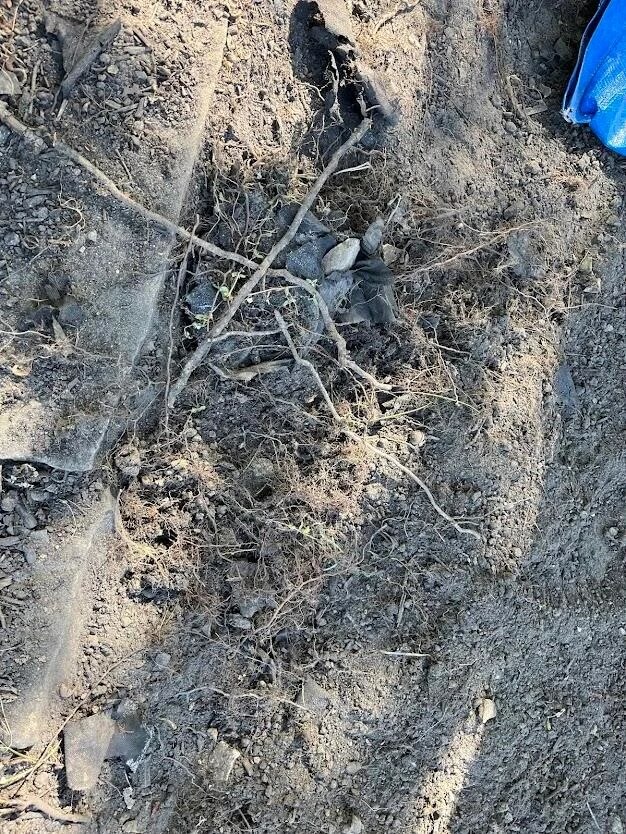
"So much labor," the OP wrote.
The poster then asked what to do with the barren soil that remained.
One commenter recommended adding healthy topsoil and peat moss to rejuvenate the spot from the suffocating landscaping fabric.
TCD Picks » Quince Spotlight
💡These best-sellers from Quince deliver affordable, sustainable luxury for all




Landscaping fabric may seem like a good idea to prevent weeds in the short term, but it's more costly than it seems in the long term, allowing weeds to grow on top of the fabric and ultimately defeating its purpose. It's an unfortunately common nightmare.
In practice, once the fabric fills with dirt, it blocks vital nutrients, water, and air from reaching plant roots, harms soil health by killing earthworms and microbes, and is difficult to remove. It also breaks down into damaging microplastics as it erodes. Ultimately, it just leads to more work and more money spent.
The National Audubon Society notes that while removing invasive species is an important first step, ecosystems don't truly recover until native plants and pollinators return.
Natural plants often work better at preventing weeds and cost far less than mass-marketed fabrics. Rewilding your yard with native plants and companion planting helps prevent weeds without any harmful fabrics or chemicals. Instead, this practice relies on natural adaptations that promote biodiversity and long-term soil health, meaning your garden stays healthy and your produce is even tastier.
|
What's the most you'd pay per month to put solar panels on your roof if there was no down payment?
Click your choice to see results and speak your mind. |
 $200 or more 💰
 Native lawn and plant options can be identified based on your local zone map.
Others who've gone through a similar process with their yards recommend using deep mulching or wood chips to add a healthy flair to topsoil, or reusing old cardboard boxes that break down safely over time.
Commenters on this post were equally frustrated with the fabric.
"My condolences in regards to the fabric, that stuff is terrible to remove," one wrote. "Just got done with a big removal job in my garden."
"Congratulations on doing all that hard toil!" one commented before adding: "Grr… River rocks and landscape fabric."

Get TCD's free newsletters for easy tips to save more, waste less, and make smarter choices — and earn up to $5,000 toward clean upgrades in TCD's exclusive Rewards Club.







