


Not to trigger too much fear of missing out — but have you heard about all the money that's on the table for people via the Inflation Reduction Act?
You might need to make a move sooner rather than later to take advantage of the policy. But there are many ways to do so, such as replacing old HVAC systems with better technology.
The scoop
In 2023, 3.4 million households collected over $8 billion in IRA tax breaks for making energy upgrades, according to data from the U.S. Treasury Department.
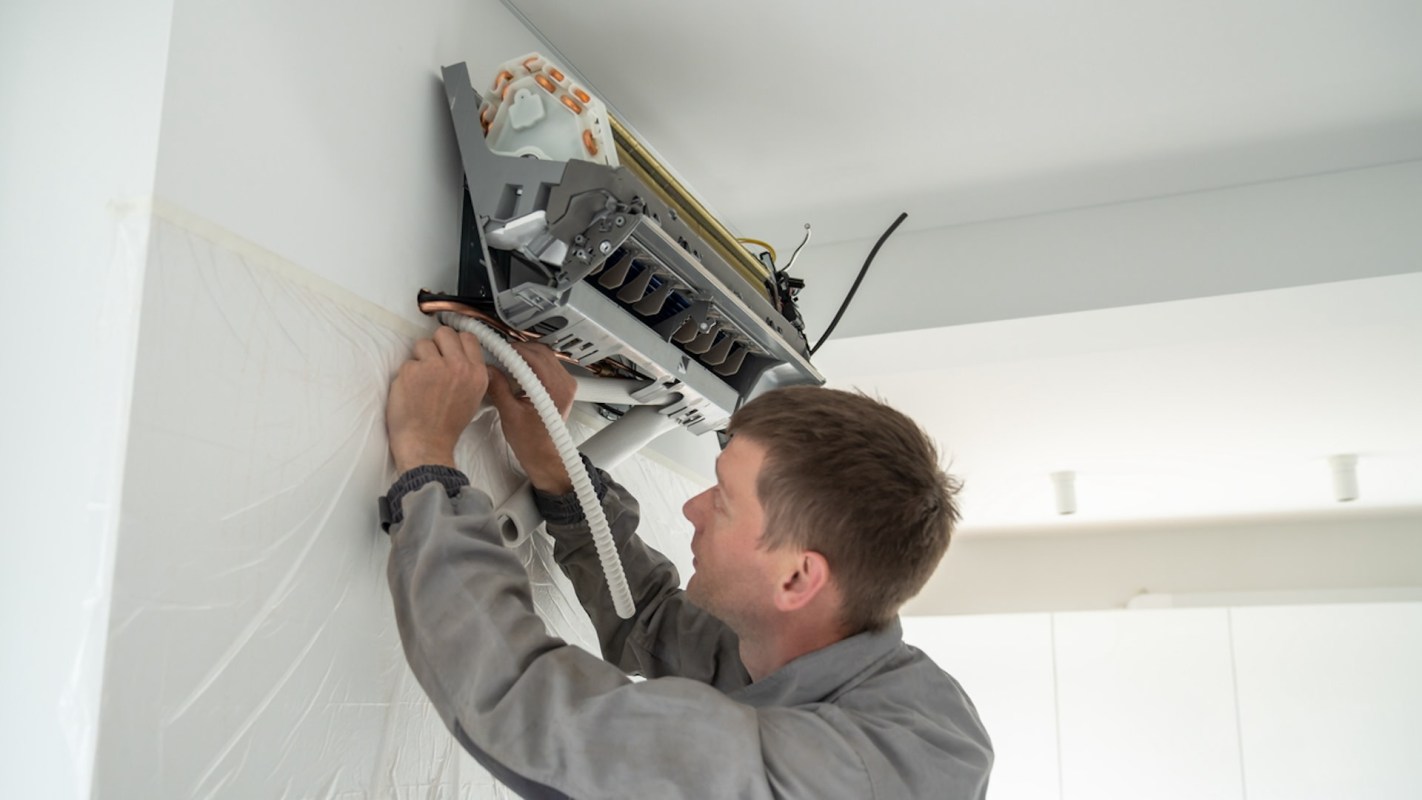
Want to join them next year? Installing heat pumps, which outperform traditional HVAC systems, is a great way to get your piece of the pie.
The technology is a two-for-one: a heater and air conditioner rolled into a single box. It uses a substance called a refrigerant that either creates or absorbs heat, depending on whether it is being compressed or decompressed.
The best part? These machines are more efficient, cleaner, and cheaper to run than gas furnaces and window AC units. That means that once installed, heat pumps generate savings for homeowners each and every month, all while lowering homes' environmental impacts too.
Still, it can be overwhelming to replace such a big part of a house. Luckily, EnergySage offers a Heat Pump Marketplace where you can learn which option is best for your space, compare prices, and find local installers.
How it's working
The long-term savings are one thing, but you might be asking — what about the initial switchover to heat pumps? What's that cost?
Save $10,000 on solar panels without even sharing your phone number Want to go solar but not sure who to trust? EnergySage has your back with free and transparent quotes from fully vetted providers in your area. To get started, just answer a few questions about your home — no phone number required. Within a day or two, EnergySage will email you the best options for your needs, and their expert advisers can help you compare quotes and pick a winner. Solar panels can save you more than $50k over their 25-year lifespan, and EnergySage can help you save as much as $10k on installation. Which begs the question — isn't that worth an email or two? |

The upfront investment can be high, typically landing between $4,000 and $8,000. But homeowners can get away with paying just a fraction of that by using the IRA's tax breaks. There's a $2,000 credit available right off the bat, and another $8,000 on the table for certain low-income households.
🗣️ Should the government continue to give tax incentives for energy-efficient home upgrades?
🔘 Absolutely 💯
🔘 No 🙅
🔘 Depends on the upgrade 🤔
🔘 I don't know 🤷
🗳️ Click your choice to see results and speak your mind
However, these deals with the government may not be long for this world, at least in their current form. With President-elect Donald Trump clear about his intentions for eliminating the subsidies, the thousands of dollars that are up for grabs for every home could soon be on the chopping block, so to speak. Any final decisions will need to be passed by Congress, but the policy's future is at best uncertain.
Already got your heat pumps? There are plenty of other ways to capitalize on IRA cash while it's available, from upgrading appliances and weatherizing homes to going electric on the roads.
What everyone's saying
"The cost difference when including government rebates is substantial — to the point of being 'too good to be true,'" one Redditor posted on r/home, explaining how they were weighing options to replace a broken furnace.
"My heat pump is great and saving me money and keeping me comfortable," a reader replied in the comments.

Join our free newsletter for easy tips to save more and waste less, and don't miss this cool list of easy ways to help yourself while helping the planet.
"It's the greatest thing since sliced bread or toast or buttered bread... It's that good," another added.
Cool Picks




