


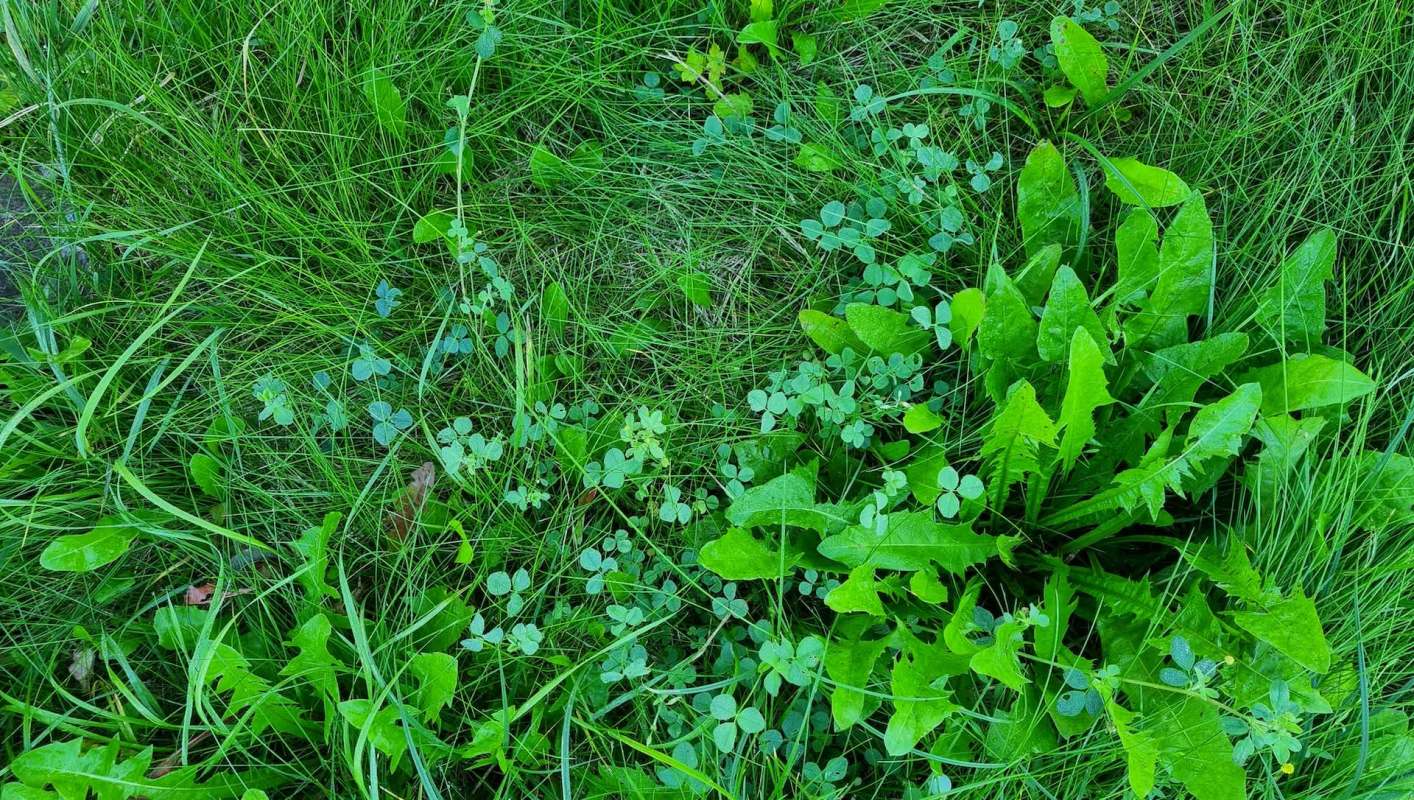
The idea of cycling invasive plant species into compost and back into the yard has its merits, but the risk is significant, and a single surviving plant could ruin everything. With this in mind, a Redditor took to the r/Permaculture subreddit to seek advice.
"I'm working on incorporating more yard debris to increase my volume. Should I worry?" the original poster asked. As one might expect, the answers were a mixed bag.
The Himalayan blackberries and English ivy are the worst on the OP's list of invasives, thanks to their aggressive growth and, more specifically, their ability to outcompete native plants.
Pulling and cycling these invasives through a composter and then back into the yard can work, but it has to be meticulously done, and there's no room for error. One missed seed, and it's back to square one.
The internal temperature of the composter has to reach and maintain 145 degrees Fahrenheit for more than a month, according to Monroe County IRIS. Even then, it's still possible for a seed to survive.
Although Himalayan blackberries, English ivy, and several others are more difficult, native plants present the best defense. They're well-adapted to local conditions, require less watering, and are robust enough to offer a unique challenge to invasive species.
TCD Picks » Quince Spotlight
💡These best-sellers from Quince deliver affordable, sustainable luxury for all




Natives also save homeowners a lot of hassle in the short and long run, since they require less maintenance and water. For fans of wildlife and pollinators, native plants enhance the soil and improve local biodiversity, naturally attracting them.
Pollinators are struggling on a global scale due to habitat loss, disease, pesticides, and the changing climate. As a necessary component of our food supply, anything that boosts their activities and productivity helps.
One of the commenters offered an interesting alternative: "Burn the invasive plants, then spread the ash around your garden."
As always, however, there are drawbacks here as well. Physically removing them is still the best alternative.
|
What's the hardest thing about taking care of your yard? Click your choice to see results and speak your mind. |
 Mowing the lawn 🏡
 "I made the mistake of spreading woodchips around that contained a lot of English ivy, and for the next couple of years had to pull out growth in the spring," warned another commenter.
"Just one leaf can start a lot of problems," added the original poster. Invasives are difficult on the best of days, but a robust and thriving native plant system will do much to defend against them.

💰Get TCD's free newsletters for easy tips to save more, waste less, and make smarter choices — and earn up to $5,000 toward clean upgrades in TCD's exclusive Rewards Club.






