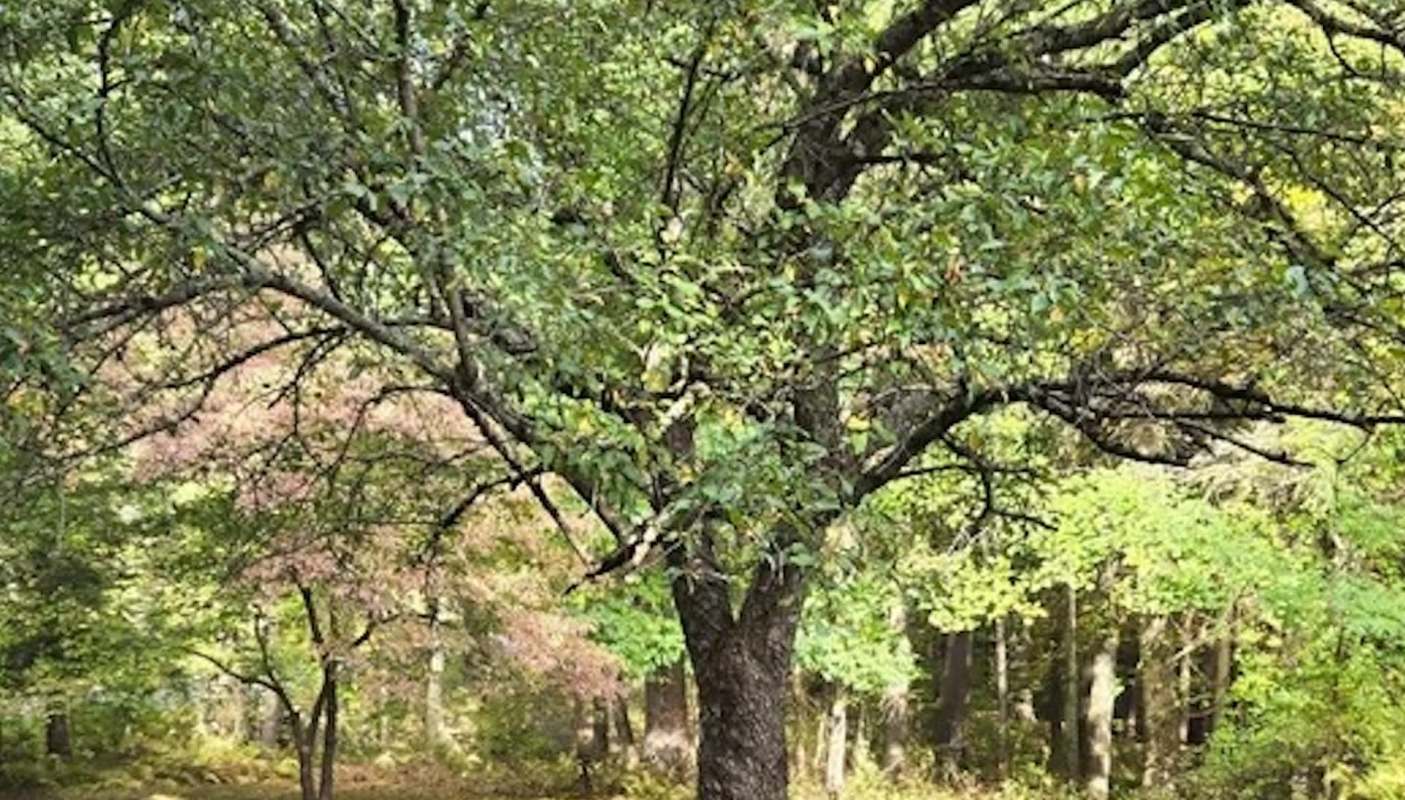
Japanese stiltweed is a highly invasive plant species, and a Redditor from New England may have laid out a solid process for getting rid of it without harmful chemicals.
The problem started when they stopped mowing the grass around a cherry tree in their garden, and the stiltweed soon took over.
As the original poster explained to the r/NativePlantGardening subreddit alongside pictures of their progress, they decided to mow around the tree again before covering the area with a tarp.
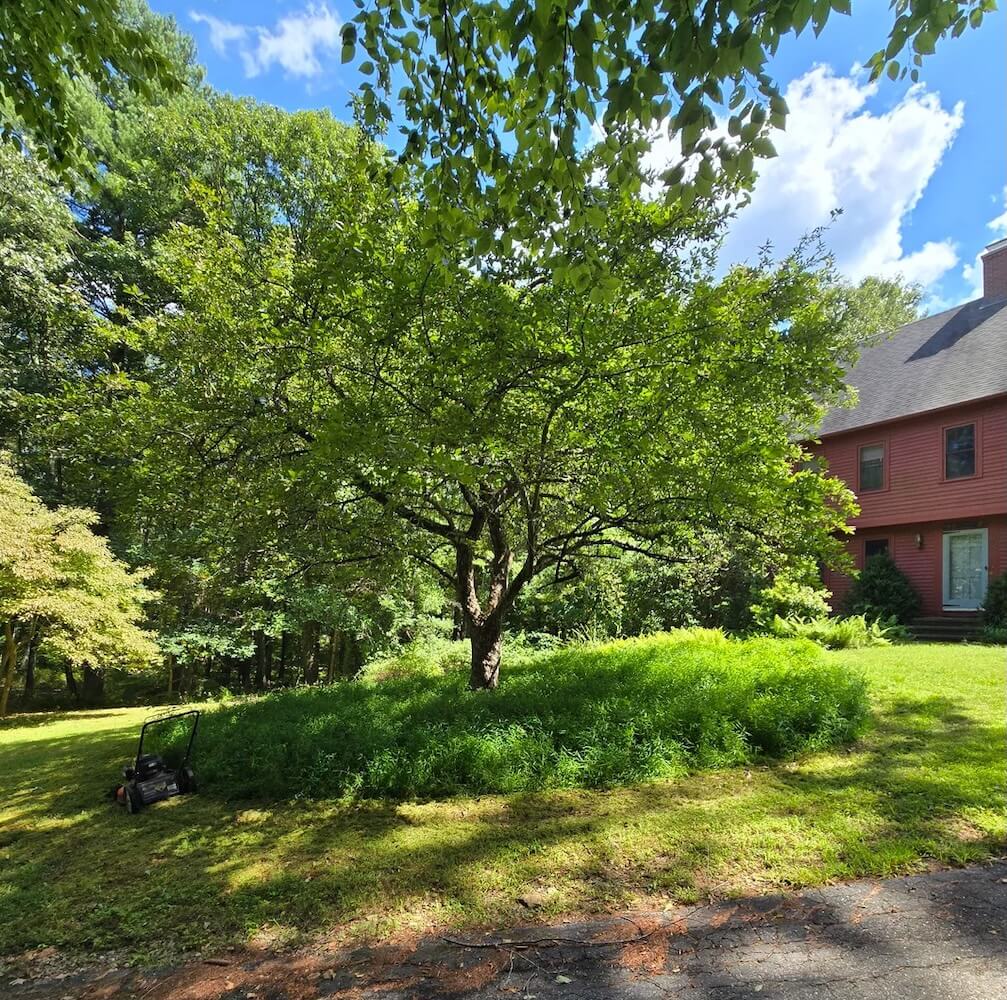


They left the covering in place for four weeks, after which they simply raked up the remaining dead plants. "It's called occultation," the Redditor said in a later comment. "It will kill pretty much everything under the tarp area."
Occultation involves covering or shading weeds and invasive species to deprive them of sunlight.
It can be effective, but is less so with perennials or aggressive invasive species with extensive root systems. However, the OP took a multipronged approach, utilizing the tarp for a month and then seeding the area.
One commenter advised reseeding right before snowfall to avoid seed loss to hungry birds. The primary issue, however, is whether the Japanese stiltweed is truly eliminated.
Native plants are typically robust and capable of holding their own against invasives. Unfortunately, Japanese stiltweed rarely goes down easily and is known for outcompeting native plants.
The combination of the tarp and native seeding may be enough, but invasive species can put up a fight.
Regardless, upgrading to a native plant garden brings several benefits, including water conservation, lower water bills, and less maintenance. Plus, native plants are great for attracting pollinators.
TCD Picks » Upway Spotlight
💡Upway makes it easy to find discounts of up to 60% on premium e-bike brands





|
Would you be willing to let your yard grow wild? Click your choice to see results and speak your mind. |
 I already have 😎
 Pollinators are primary drivers of their respective ecosystems, enabling the reproductive capabilities of 75% of the world's flowering plants, according to the U.S. Department of Agriculture.
Another commenter suggested additional methods to ensure the stiltweed stays out of the picture.
"I would say mulch over it lightly and then either water it by hand or wait for some rain," they advised.

Join our free newsletter for easy tips to save more and waste less, and don't miss this cool list of easy ways to help yourself while helping the planet.
Cool Picks