


When a homeowner accidentally plants an invasive species in their yard, it's often the subsequent owner who has to pay the price.
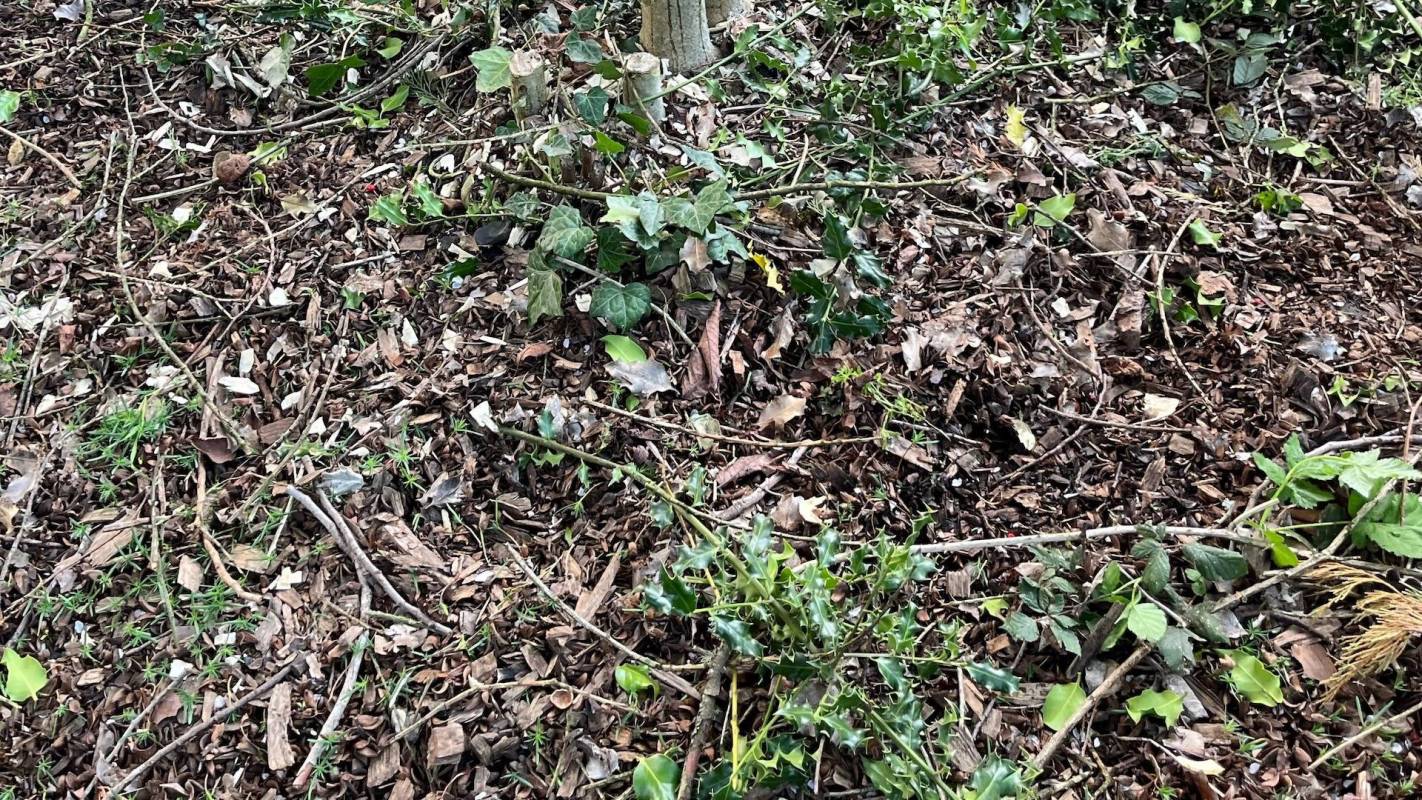
This was seemingly the case for one Redditor in Oregon. The original poster shared photos on the subreddit r/NativePlantGardening of the aftermath of one landscaping battle.

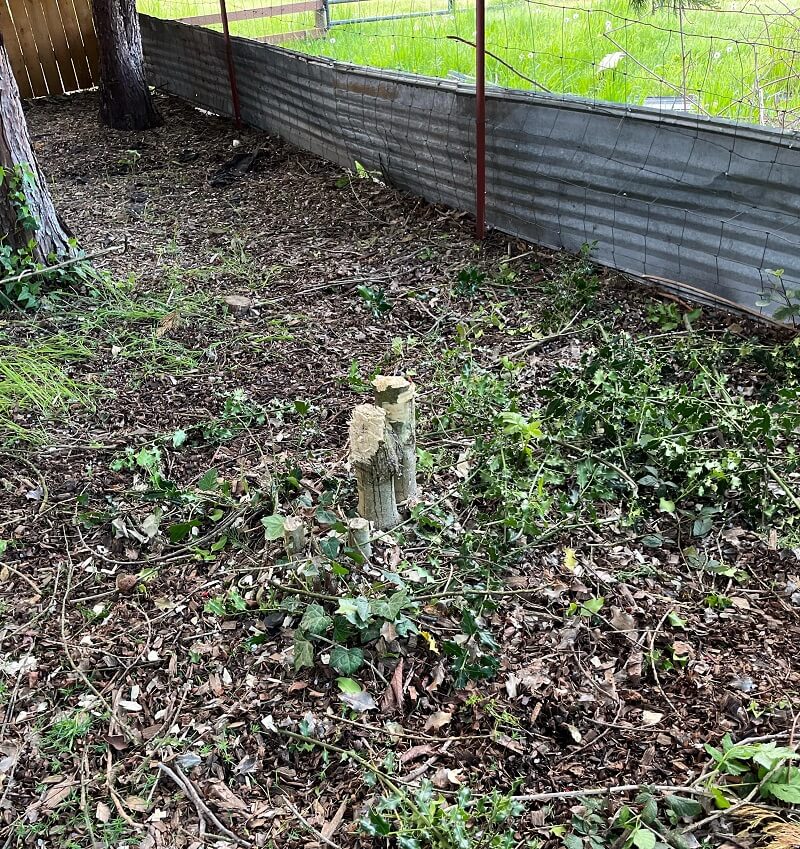
"Two invasive holly removed from my yard," they wrote proudly.
"Yay, great job!" one commenter enthused. "I don't envy that cleanup though, ouch."
"Fighting the good fight!!!!" another said encouragingly.
Invasive species — so named because of their ability to quickly overtake a native ecosystem and throw it off balance — are often tremendously difficult to remove.
Whether due to their sheer numbers or their ability to regrow from stray leaves, invasives are good at two things: stealing resources and staying alive. But taking the time and effort to clear them out permanently, even if it takes several attempts, is worth it, as this homeowner points out.
First and foremost, clearing out invasives allows room to install new landscaping. Experts particularly recommend rewilding a yard with native plants or installing natural ground cover, such as clover or wildflowers. (Many people would agree this also looks better than a yard full of weeds or vines, and this can help raise property values.)
And while some homeowners may be tempted toward a traditional grass lawn, the popular Kentucky Blue grass is actually an invasive species as well, according to the Long Island Conservancy. Planting an all-grass yard creates just as much of an unbeneficial monoculture as a yard full of holly, English ivy, or kudzu.
Instead, gardening with native plants is the best option, and resources like the National Wildlife Federation's Native Plant Finder can help you choose the right species for your area.
TCD Picks » Quince Spotlight
💡These best-sellers from Quince deliver affordable, sustainable luxury for all




Since natives grow easily in their local habitat, they are cheaper and easier to maintain. Less watering means lower water bills; less maintenance means less annoying lawnmower noise and gas pollution.
Native plants also provide a food source and habitat for local wildlife and pollinators, who keep our food supply chain flourishing from the ground up (literally).
In fact, when asked about their plans for the newly cleared space, the original poster replied: "I am planting better plants in its place that are native to Oregon so they will help the wildlife more."

Join our free newsletter for easy tips to save more and waste less, and don't miss this cool list of easy ways to help yourself while helping the planet.
Cool Picks




