


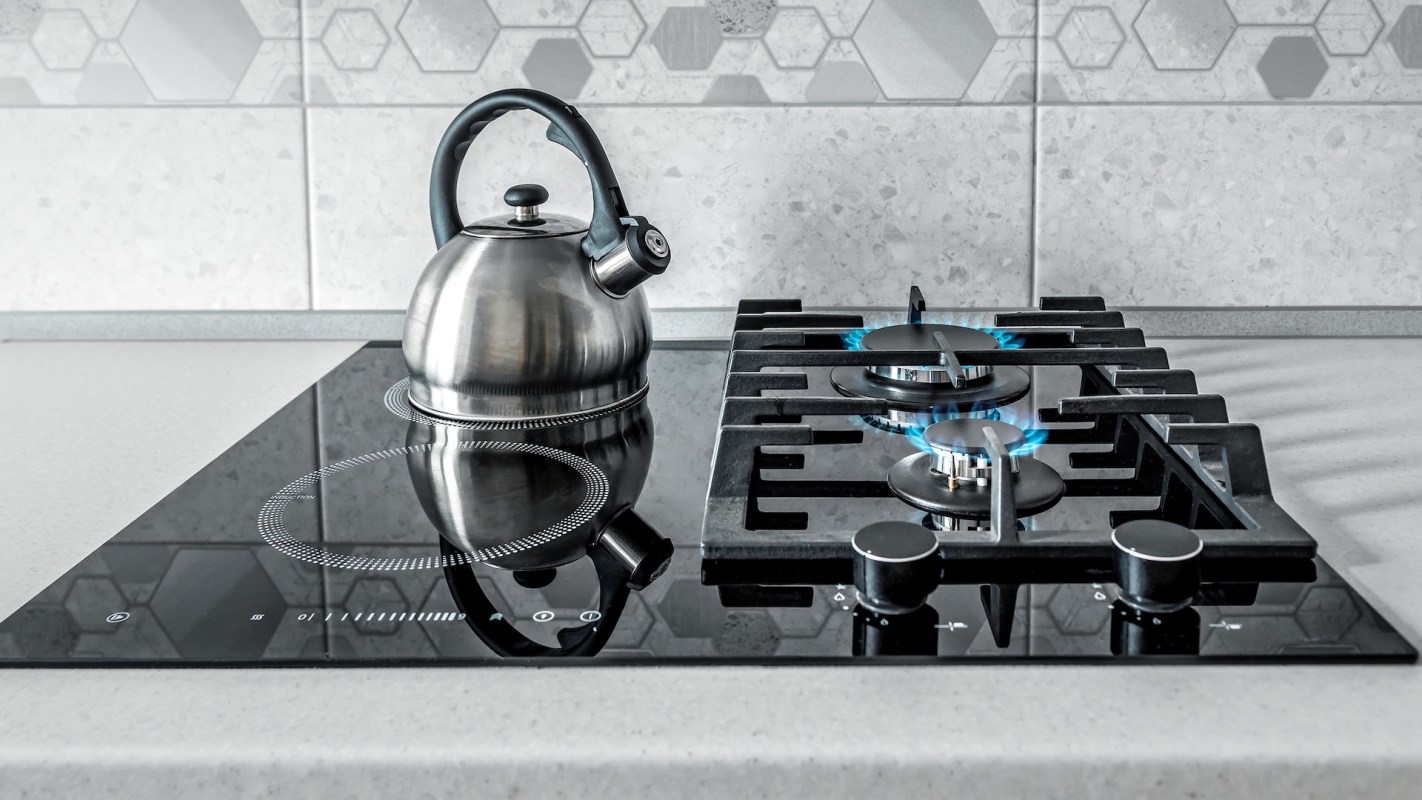
When a chef was asked to compare gas and induction stoves, her answer was resounding: Induction is stronger, more consistent, safer, and easier to clean.
The biggest con for induction? Its price tag — but government rebates can help bring that cost way down.
Rachelle Boucher, an executive chef and appliance expert, shared her thoughts on the induction vs. gas debate in an article on the Martha Stewart website. The writers noted that induction "is now gaining momentum in the U.S.," and Boucher said it was easy to explain why.
"Natural gas creates unacceptable amounts of pollution with methane and particulate matter in the air," Boucher said. "With induction, there's less need for air conditioning and ventilation."
TCD Picks » Induction Cooking
💡Discover the induction option that’s just right for your needs and your home


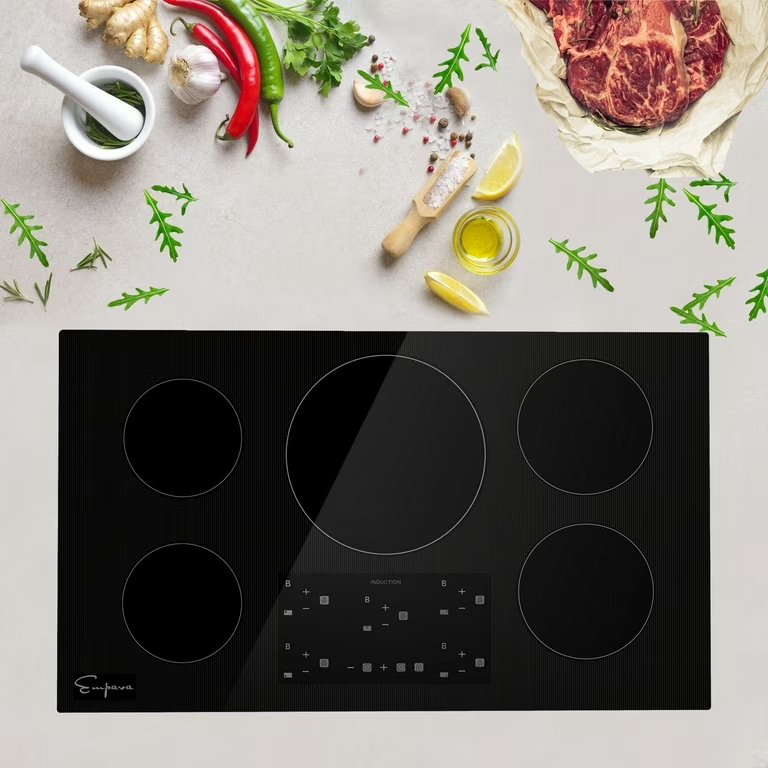

Sure enough, gas stoves have been linked to health issues such as asthma. Induction produces no fumes, which eliminates that concern. It's also safer than electric or gas stoves because the cooktop itself doesn't get hot. This also makes it much easier to clear.
Instead of using dirty energy to create heat and then transferring that heat to cookware, induction stoves create a magnetic current. When that current connects with pots and pans, they heat up quickly — so quickly, in fact, that induction cooktops boil water much faster than gas or electric stoves.
This heating method is also more consistent and energy-efficient than that of other stoves.
"You can choose a specific temperature, and it's more consistent," Boucher said.
Save $10,000 on solar panels without even sharing your phone number Want to go solar but not sure who to trust? EnergySage has your back with free and transparent quotes from fully vetted providers in your area. To get started, just answer a few questions about your home — no phone number required. Within a day or two, EnergySage will email you the best options for your needs, and their expert advisers can help you compare quotes and pick a winner. Solar panels can save you more than $50k over their 25-year lifespan, and EnergySage can help you save as much as $10k on installation. Which begs the question — isn't that worth an email or two? |

The biggest downsides to induction cooking, according to the article, are its upfront cost and learning curve. That cost can be brought down by $840, however, thanks to Inflation Reduction Act rebates.
Even if an induction stove isn't in your budget, it's still possible to take advantage of this technology by getting a plug-in induction burner. These also work incredibly well for renters, as they don't require renovations, can fit on a countertop, and are relatively inexpensive — starting at around $50.
And more good news: Though many eco-friendly tax credits and rebates will expire by the end of 2025, federal incentives for induction stoves and some other appliance upgrades appear safe.
|
What factor would make you most likely to get an induction stove? Click your choice to see results and speak your mind. |
 Energy savings 💰
Join our free newsletter for easy tips to save more and waste less, and don't miss this cool list of easy ways to help yourself while helping the planet.






