


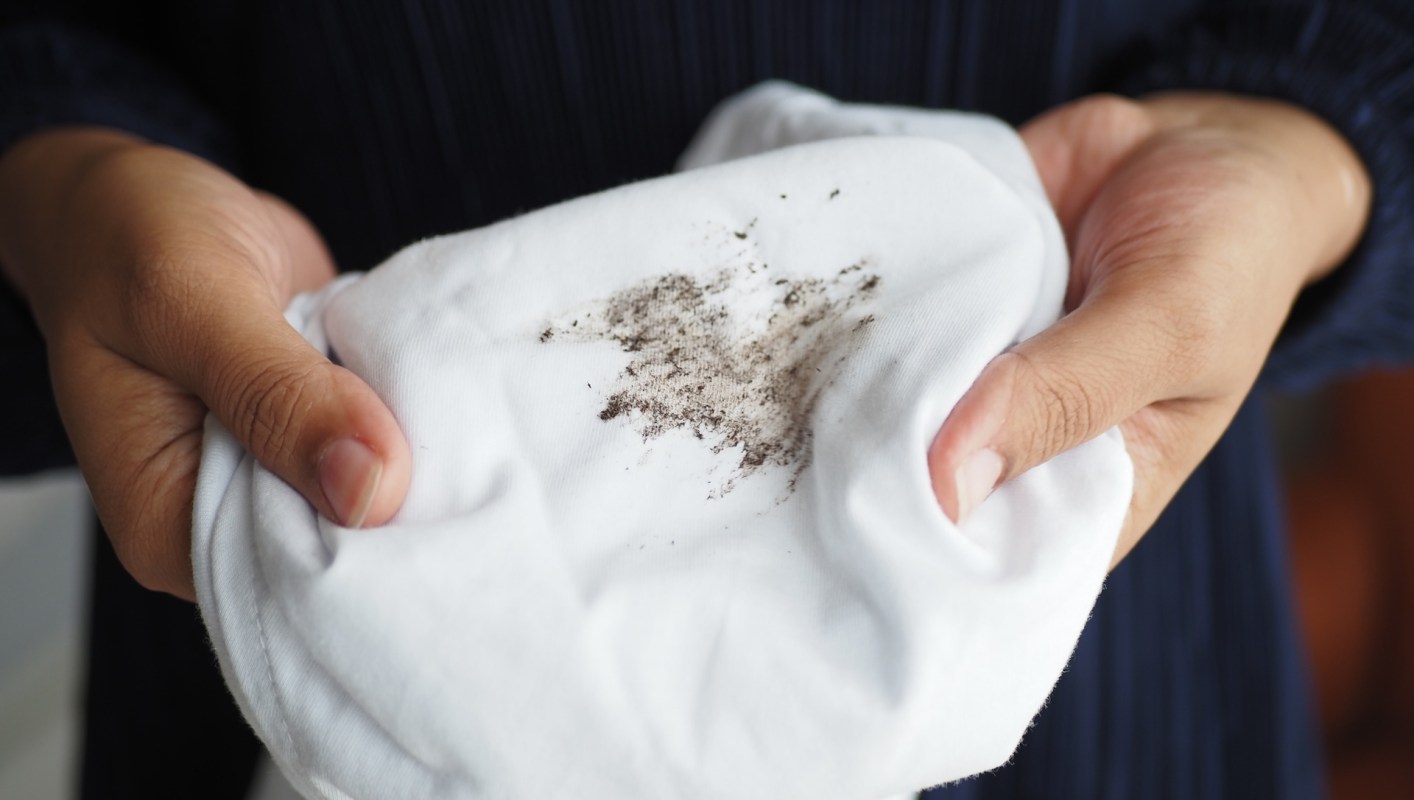
While hydrogen peroxide can be a useful alternative to store-bought cleaners, it can do more harm than good if used improperly.
The scoop
Welcome to LaundryTok, where DIYers share their tips and tricks to lift stains, remove odors, and save money, too.
Zach (@jeeves_ny), a dry cleaning expert, warned viewers about a common laundry mistake that could ruin white fabrics.
"Never ever dry a hydrogen peroxide-treated garment in direct sunlight," he stressed.
@jeeves_ny Never dry a garment treated with hydrogen peroxide in direct sunlight. UV light supercharges peroxide, transforming it from a mild bleach into a fabric-eating oxidizer. Instead of just lifting stains, it can weaken fibers and leave yellow-brown marks, like chlorine bleach on overdrive. If you're using peroxide to tackle yellow stains, always dry indoors or in the shade to keep the bleaching under control. Once the garment is fully dry or washed, it's safe to wear outside again. #LaundryTips #FabricCare #HydrogenPeroxide #StainRemoval #Laundry ♬ original sound - clean freakz
"UV supercharges peroxide, turning it from a mild bleach into a highly aggressive oxidizer," he explained.
Hydrogen peroxide is often used as a mild bleaching agent, but when it oxidizes, it can attack fibers and turn fabrics yellow.
TCD Picks » Quince Spotlight
💡These best-sellers from Quince deliver affordable, sustainable luxury for all




So while sun-drying your clothes is normally a great way to brighten whites, doing so with hydrogen peroxide-treated fabric can damage them and stain them an unsightly yellow.
Instead, dry the item indoors or in the shade away from direct sunlight. No UV, no problem.
If you've recently learned this the hard way, don't fret — your shirt can still be saved. Using a mixture of white vinegar and water can reduce the yellowing. For tougher spots, try applying a paste of baking soda and dish soap before, then give it a good rinse.
How it's helping
Don't waste your money on store-bought cleaning products — there are natural cleaning products that are safer, cheaper, and work just as well.
|
How many times do you do laundry each week? Click your choice to see results and speak your mind. |
 Four or more times 🥴
 Many cleaning products – detergents, sprays, scrubs, and more – contain chemicals that "can irritate the eyes or throat, or cause headaches and other health problems," according to the American Lung Association.
Opt for natural cleaning products instead, such as baking soda and non-toxic soap for a bathroom scrub, or a homemade dishwasher detergent made with sodium carbonate, sodium percarbonate, and sodium citrate.
Not only are DIY cleaners safer, but they're cheaper, too, as most natural cleaning DIYs use ingredients you probably already have at home, like baking soda, vinegar, citrus, and soap.
Whether you're doing daily cleaning or deep cleaning, there's likely a natural cleaning DIY that will remove stains, disinfect surfaces, deodorize, and more.
What everyone's saying
Viewers were grateful for the warning, although one commenter said they "learned this the hard way."
"Excellent tip!" another commented. "Thank you."
"Loving advanced laundry class," a third viewer wrote.

Join our free newsletter for easy tips to save more and waste less, and don't miss this cool list of easy ways to help yourself while helping the planet.






