


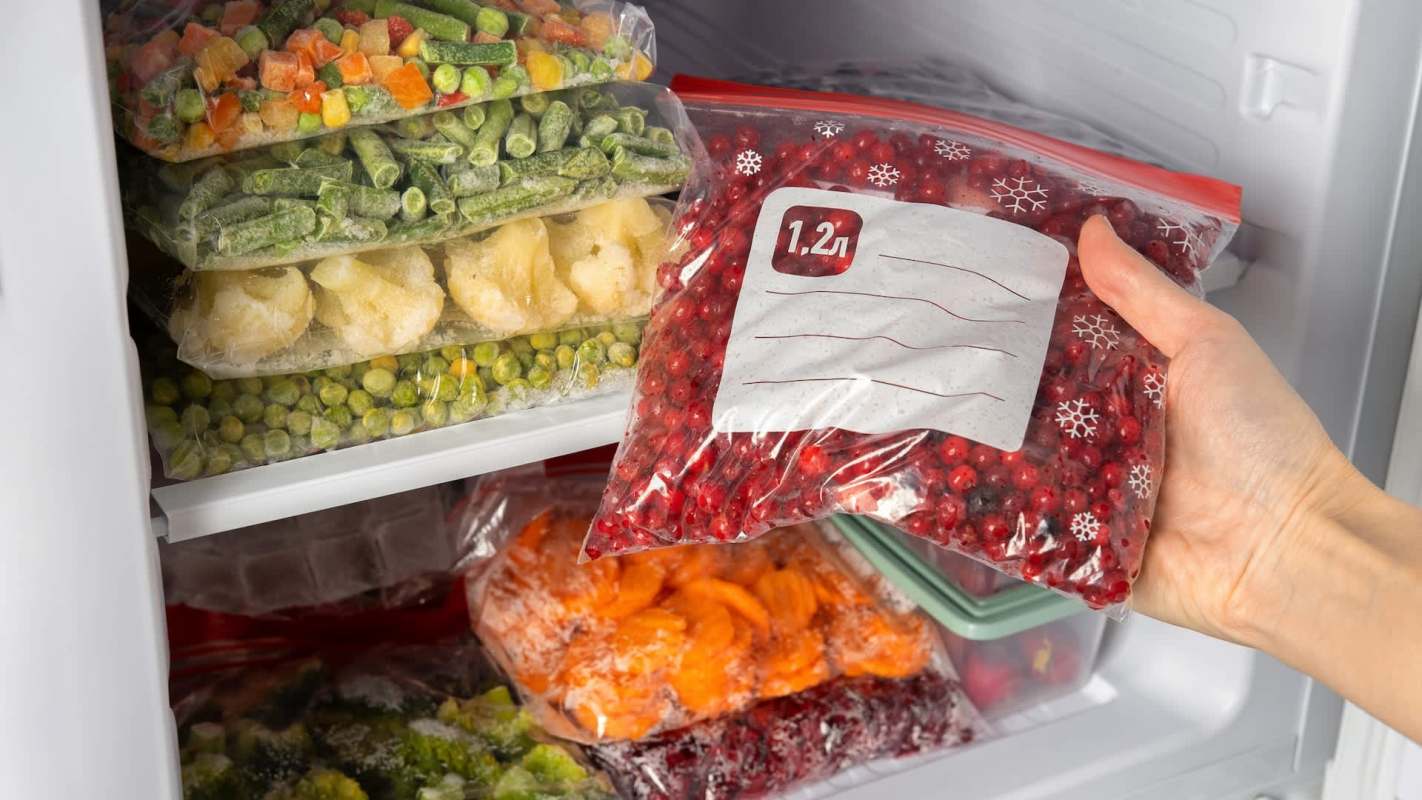
Ditching plastic in the kitchen can sound straightforward. When leftovers need freezing, produce needs storing, and convenience starts to win out, though, it gets a little more complicated.
One home cook on the r/sustainability Reddit forum battling this dynamic posed a question: Which low-waste swaps actually hold up long enough to matter?
What's happening?
On the Reddit thread, they revealed they were looking for practical ways to cut kitchen plastic. "The hardest part is not knowing which swaps actually make a meaningful difference versus which ones are more about feeling good than doing good," the original poster wrote.
They said they had already made some changes, including replacing cling film with beeswax wraps and switching to mesh produce bags. But freezing food was still a challenge because they had not found a reusable option they trusted to last.
The post also raised a broader question about impact. They wanted to know how much difference home kitchen habits can make compared with packaging changes at grocery stores.
Replies centered on practical ideas people had kept using.
TCD Picks » Quince Spotlight
💡These best-sellers from Quince deliver affordable, sustainable luxury for all




One commenter wrote: "Ziploc bags are a reusable freezer safe option," and said they get "5-10 uses before it punctures."
Other suggestions for quick fixes included "glass tupperware with silicone lids," "rags instead of paper towels," and "mason jars!!"
Why does it matter?
Many people want to reduce waste, but not every swap is affordable, convenient, or durable enough for everyday life.
Kitchens, in particular, generate a steady stream of single-use and repeat-use plastic through food storage, takeouts, and groceries, so even small changes can start to feel overwhelming.
What the original poster wanted, ultimately, was something sustainable in the everyday sense. These are the changes "you've kept going for more than a year without burning out," as they put it.
"If analyzed individually we don't move the needle, but it's important to normalize these behaviors and vote with our dollars," a user explained.
What can I do?
The thread focused on swaps that fit into existing routines instead of overhauling an entire kitchen at once.
Reusing what you already have may be more sustainable than rushing to buy a full set of replacements, and several commenters pointed to exactly that approach with reusable bags, jars, and existing containers.
A few ideas surfaced repeatedly. People mentioned glass containers for leftovers, reusable silicone bags or silicone lids for storage, cloth napkins and rags instead of paper towels, and bar or solid dish soap. For freezing, commenters suggested reusable plastic bags, glass containers for soup, and wide-mouth canning jars when used carefully.
Not all of the suggestions were about storage.
"Getting food from a farm is a good start," one commenter noted.
Another mentioned Ridwell for hard-to-recycle plastics, where that service is available. Several comments emphasized repeatable habits rather than one-time purchases.
One commenter probably put it best.
"Don't let perfect stop you from being better," they advised.

Get TCD's free newsletters for easy tips, smart advice, and a chance to earn $5,000 toward home upgrades. To see more stories like this one, change your Google preferences here.







