


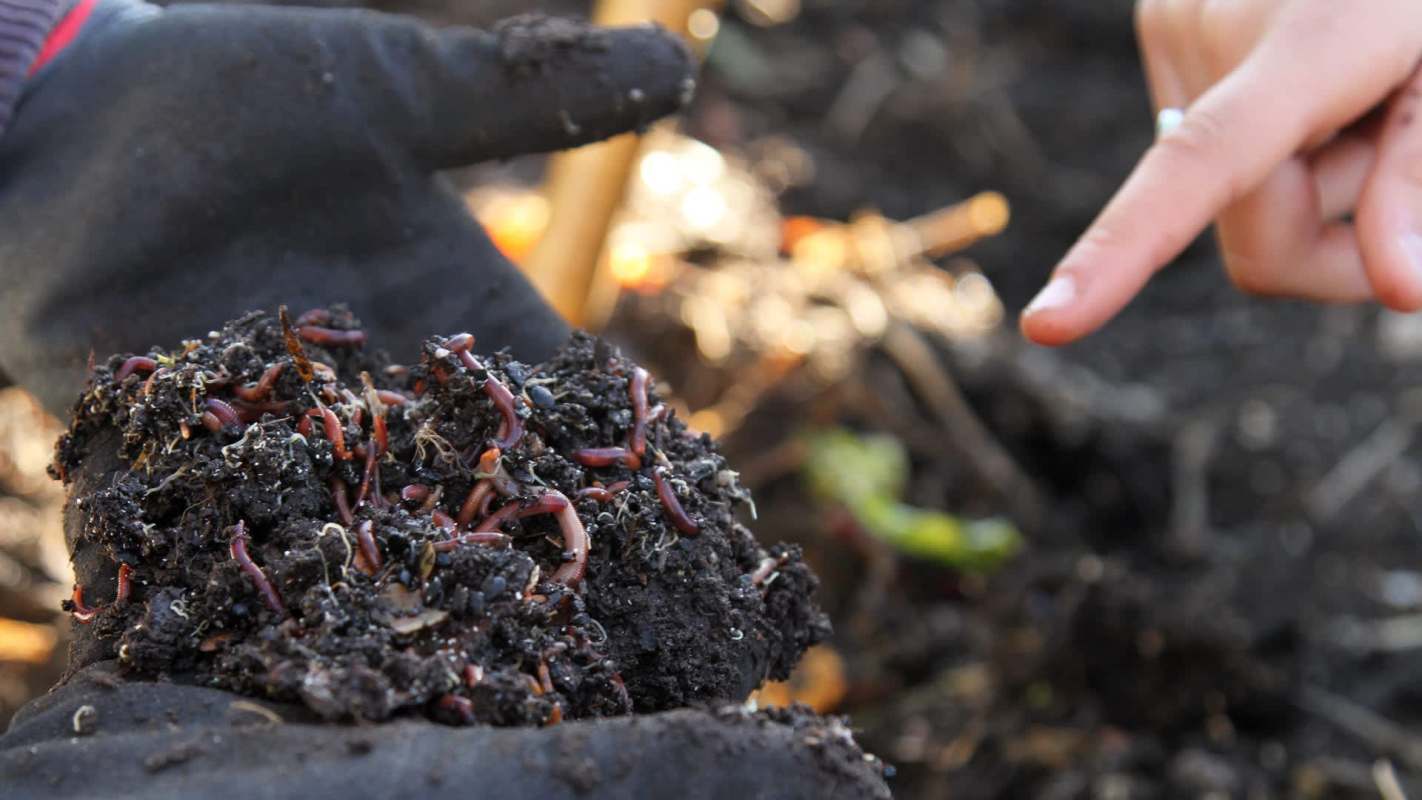
Discovering Asian jumping worms on top of an already challenging invasive plant problem left one gardener feeling discouraged and overwhelmed.
The Reddit user had already worked out a plan for clearing invasive plants from the property, so the new discovery felt especially crushing. "I'm feeling really hopeless right now. I can use some encouragement," they wrote in their post titled "I could just cry right now."
Here's what to know
In an Aug. 11 post on Reddit, the gardener explained that finally identifying the invasive species on their land had left them feeling somewhat empowered.
With a strategy in place, they said the situation seemed more manageable, and they felt better equipped to catch future issues before they became bigger problems.
But their hopes were crushed when they found they had Asian jumping worms while they were pulling up bearded irises. They said hand-pulling did not seem realistic given the size of the property, along with its woods and many garden beds, and they were worried about how extensive the infestation might be.
Replies offered both reassurance and practical advice.
TCD Picks » Quince Spotlight
💡These best-sellers from Quince deliver affordable, sustainable luxury for all




One wrote: "Incremental progress. Remove and replace with natives is key. It may never be perfect, but celebrate the successes." Another user offered an optimistic viewpoint: "Some days it feels like an infinite task. But, it's not. It is finite. It has an end."
Other commenters shared a similar perspective, saying that on larger properties, invasive species work is often a long-term effort rather than something that can be solved all at once.
More background
For people trying to restore local habitat, invasive plants and species that disrupt soil can make the work feel never-ending.
A healthy yard or garden can also help households cut produce costs, enjoy fresher and better-tasting fruits and vegetables, and support physical and mental health through exercise, time outside, and stress relief.
That can make setbacks feel even more discouraging for gardeners focused on native plants.
Even so, several commenters said visible progress is still possible without complete eradication, including the return of native plants and better habitat for insects and wildlife.
What can be done?
Many commenters urged the gardener to approach invasives in phases, replace plants intentionally, and focus on gains made in one bed or section of the property at a time.
Another user described personal strategies they said had helped lessen jumping worm pressure, such as clearing debris, being selective with mulch, moving containers to check for worms underneath, and placing container soil in clear plastic bags in the sun at the end of the season.
It's smart to remember, however, that these ideas were shared as personal experiences, not fully guaranteed fixes.
For invasive plants, gardeners looking to avoid chemical-heavy approaches can also explore methods for controlling weeds without chemicals, including smothering, hand removal, and targeted replacement planting.
As one commenter put it: "We might not be able to create a perfect native land, but it will sure be a sanctuary compared to what we have around us."

Get TCD's free newsletters for easy tips, smart advice, and a chance to earn $5,000 toward home upgrades. To see more stories like this one, change your Google preferences here.






