


An Australian man showed that no matter where you're located or how young and healthy you are, plastic is likely finding its way into your body in alarming quantities.
What's happening?
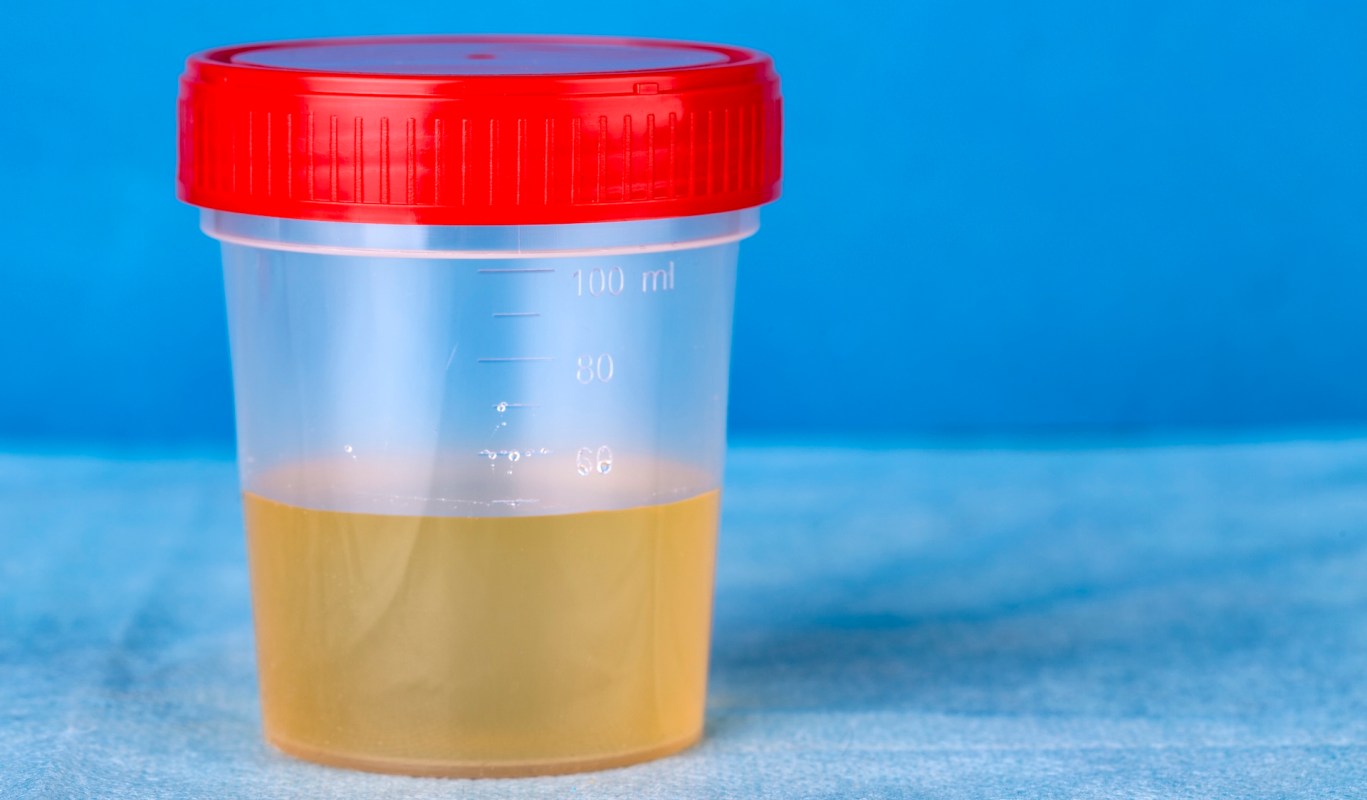
The Australian Broadcasting Corp. caught up with 25-year-old Sutherland Shire Councillor and ocean advocate Kal Glanznig, who took a urine test to learn his exposure to plastic. The results shook him when he considered their implications for his plans to have a family in the future.
"The chemical that really stood out were these phthalates, which is a chemical that's directly linked to infertility," he said.
The results showed Glanznig had a higher presence of plastic chemicals than the average American, but the connection to reproductive issues was of most concern to him.
"Having the revelation that was in me was something that just took the wind out of me," he said.
The test will be included in his documentary "The Plastic Country."
Why is plastic pollution important?
Glanznig's test results are another data point revealing that it's unlikely anyone is immune from plastic exposure in their bodies. Research in this field is still in its early stages, but there are tons of studies pointing to the health dangers of microplastics in human bodies.
Studies have connected microplastic exposure to numerous risks, such as increased cancer threats, impaired brain function, and hormone disruption.
Glanznig's own research shows that Australia is falling short in addressing plastic pollution despite multiple initiatives.
A report from 2022 found that each Australian produces 147 kilograms (324 pounds) of single-use plastic waste annually. The recorded recycling rate, 14% in the 2023-24 financial year, fell well short of a 50% goal, according to the ABC.
TCD Picks » Upway Spotlight
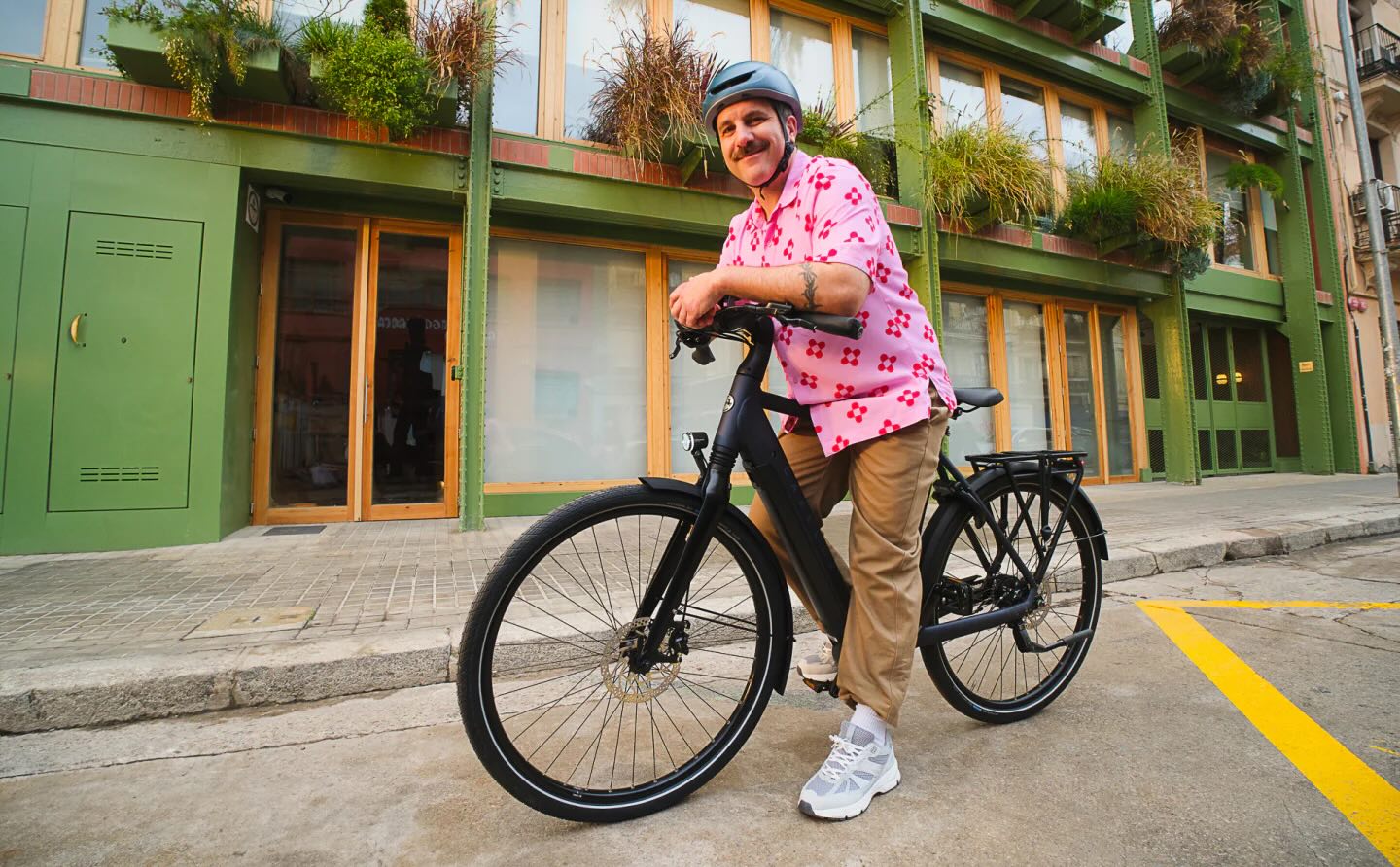
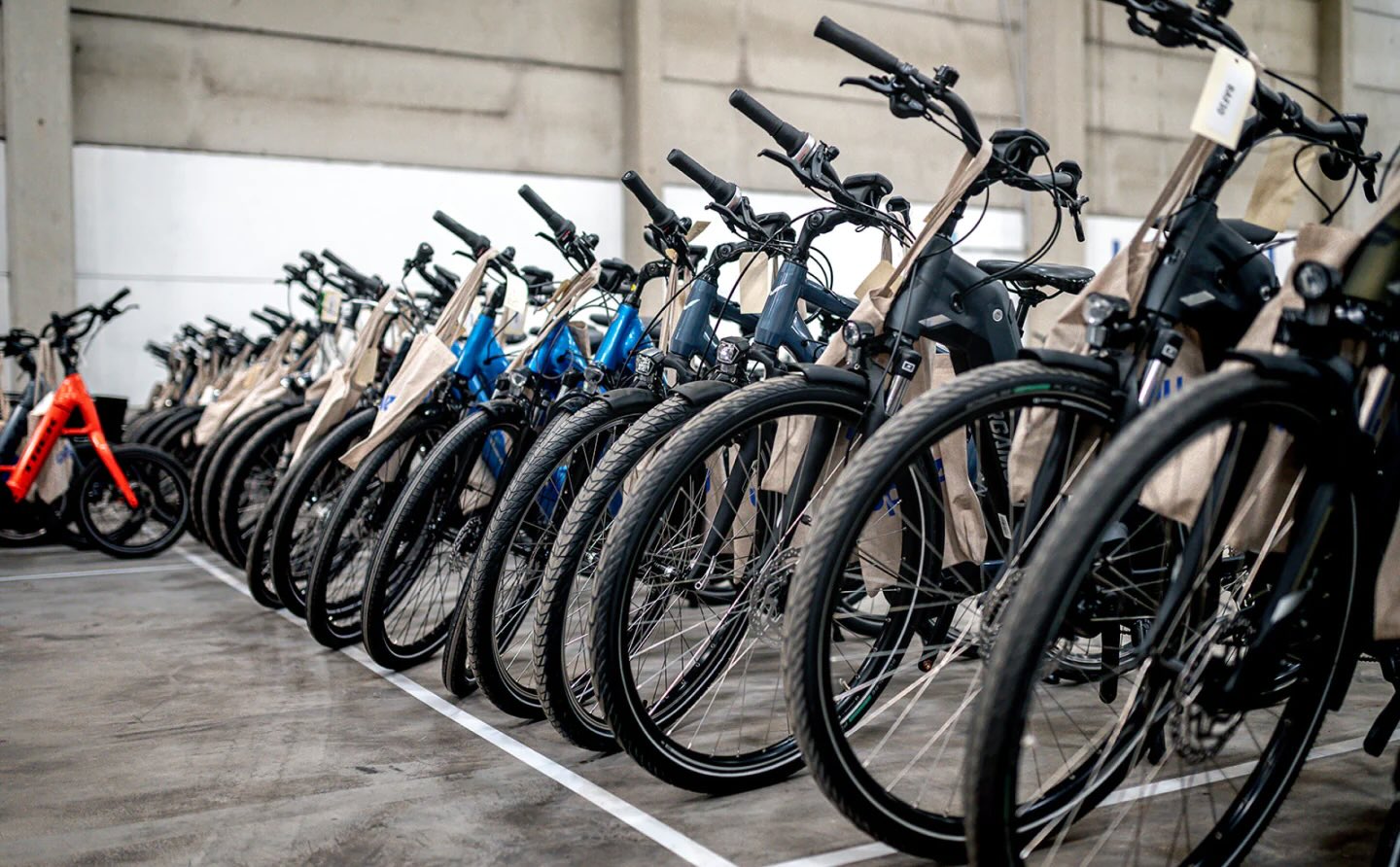
💡Upway makes it easy to find discounts of up to 60% on premium e-bike brands



|
What's the most you'd pay per month to put solar panels on your roof if there was no down payment?
Click your choice to see results and speak your mind. |
 $200 or more 💰
 The country is the second-largest producer of plastic waste globally, and Australians triple the global average use of plastic. Glanznig found plastic pollution threatening everything from remote First Nations beaches to the turtles in Sydney's Taronga Zoo.
What's being done about plastic pollution globally?
So far, a global plastic treaty hasn't come to fruition, with countries including the United States standing in the way of caps on production.
There are, however, efforts to find eco-friendly alternatives for industries heavily reliant on plastic. Another avenue to tackle the crisis is investing in reuse-and-return schemes while getting away from the least recyclable versions of plastic.
For consumers, minimizing plastic use and taking steps to avoid microplastic exposure — by ditching items such as plastic water bottles, food containers, cutlery, and coffee pods — are paramount.

Get TCD's free newsletters for easy tips to save more, waste less, and make smarter choices — and earn up to $5,000 toward clean upgrades in TCD's exclusive Rewards Club.
Cool Picks






