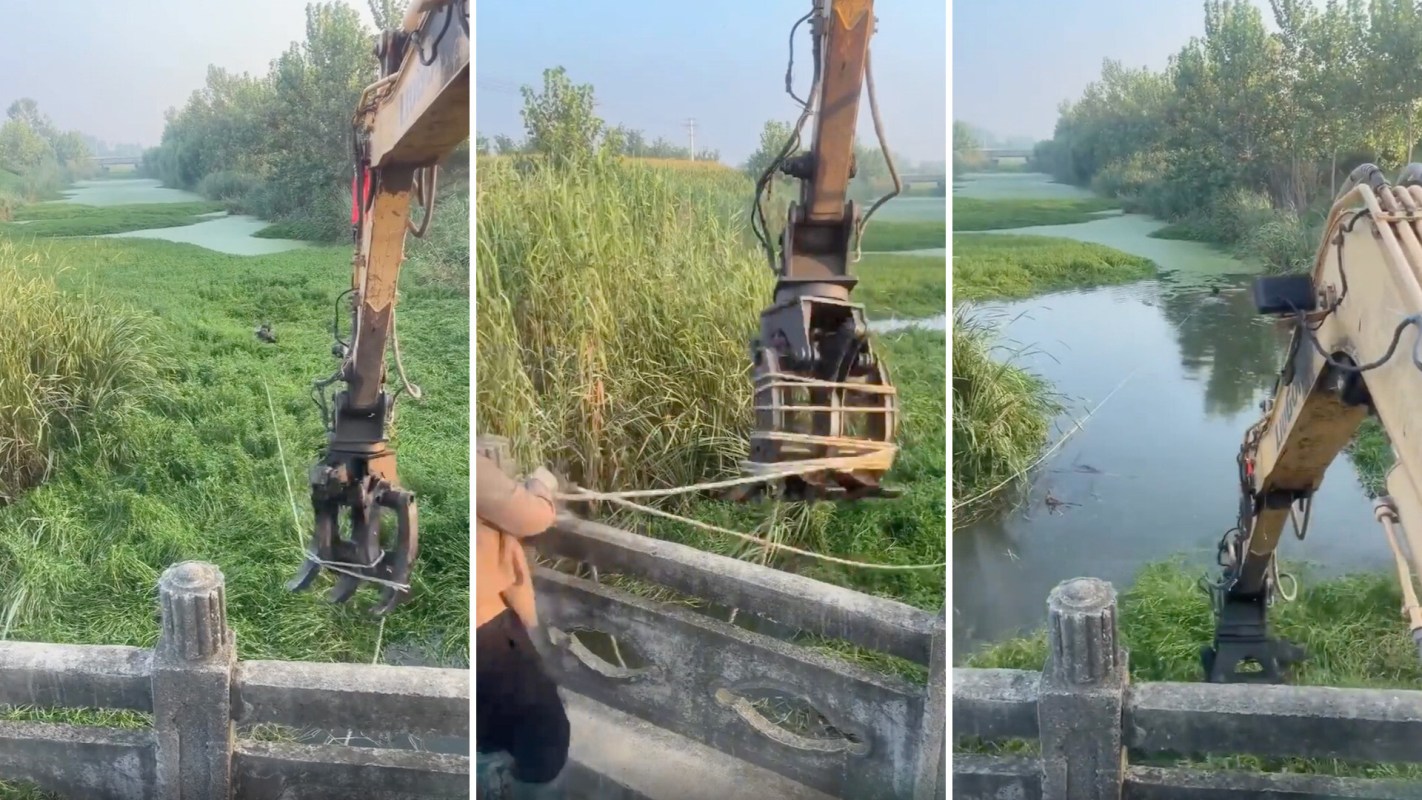
For people who compost, a video of an excavator pulling heaps of aquatic plants from a waterway looked less like ordinary cleanup and more like a jackpot.
Many viewers seemed to see past the muck and weeds and focus on something else: a massive amount of organic material that could serve as compost "greens."
What happened?
The discussion began on r/composting, where the original poster shared a clip titled "Grab excavator removing aquatic plants — plenty of greens!"
In the thread, commenters fixated on the scale of the plant haul and imagined how useful it could be in a compost pile.
(Click here if the embedded video does not appear.)
For composters, "greens" are nitrogen-rich materials such as fresh grass clippings, food scraps, and soft plant matter. When balanced with "browns" like dried leaves, cardboard, or straw, they help fuel the decomposition process.
TCD Picks » Quince Spotlight
💡These best-sellers from Quince deliver affordable, sustainable luxury for all




The replies included jokes and practical tips.
"That's some Fiiiine biomass … " one commenter quipped.
"Just remember to leave the pond debris on the shore for an hour so any friends living in it can get back in the water!" another ecologically-minded Redditor observed.
A longer response pointed out that this kind of removal can have tradeoffs.
"This will definitely harm many living things, but it may well help the ecosystem," they replied, referring to the way fertilizer pollution can contribute to excessive algae growth in waterways.
Why does it matter?
Home composters are always looking for ways to turn plant waste into useful gardening material instead of sending organic material to landfills, where it produces methane as it breaks down without oxygen.
Compost can improve soil structure, help retain moisture, and reduce the need for synthetic fertilizers.
Healthier soil can, in turn, support stronger plants and more productive gardens.
Growing food at home can help cut grocery costs, especially for herbs, greens, tomatoes, and other frequently purchased crops. Many gardeners also say homegrown produce tastes better than store-bought versions that may have traveled long distances.
Time spent gardening can support both mental and physical health by encouraging movement, reducing stress, and getting people outdoors.
Exploring resources on growing your own food is a practical place to start. Even a small raised bed or a few containers can help turn compost into lower grocery bills, fresher meals, and a more resilient yard.
In some situations, clearing out heavy plant overgrowth may help reduce nutrient-related problems in certain waterways, though any such work still needs to account for wildlife impacts and local regulations.
What can I do?
Waterways are regulated, and excavated vegetation may contain invasive species, contaminants, or hidden wildlife, posing a danger to their health.
On the other hand, many everyday "greens" around the home can become valuable compost.
Kitchen scraps, grass clippings, spent garden plants, and trimmings can all help build a healthy pile when paired with enough dry "browns."
If you want to put finished compost to work, starting a home garden is one of the best ways to use it.

Get TCD's free newsletters for easy tips, smart advice, and a chance to earn $5,000 toward home upgrades. To see more stories like this one, change your Google preferences here.