


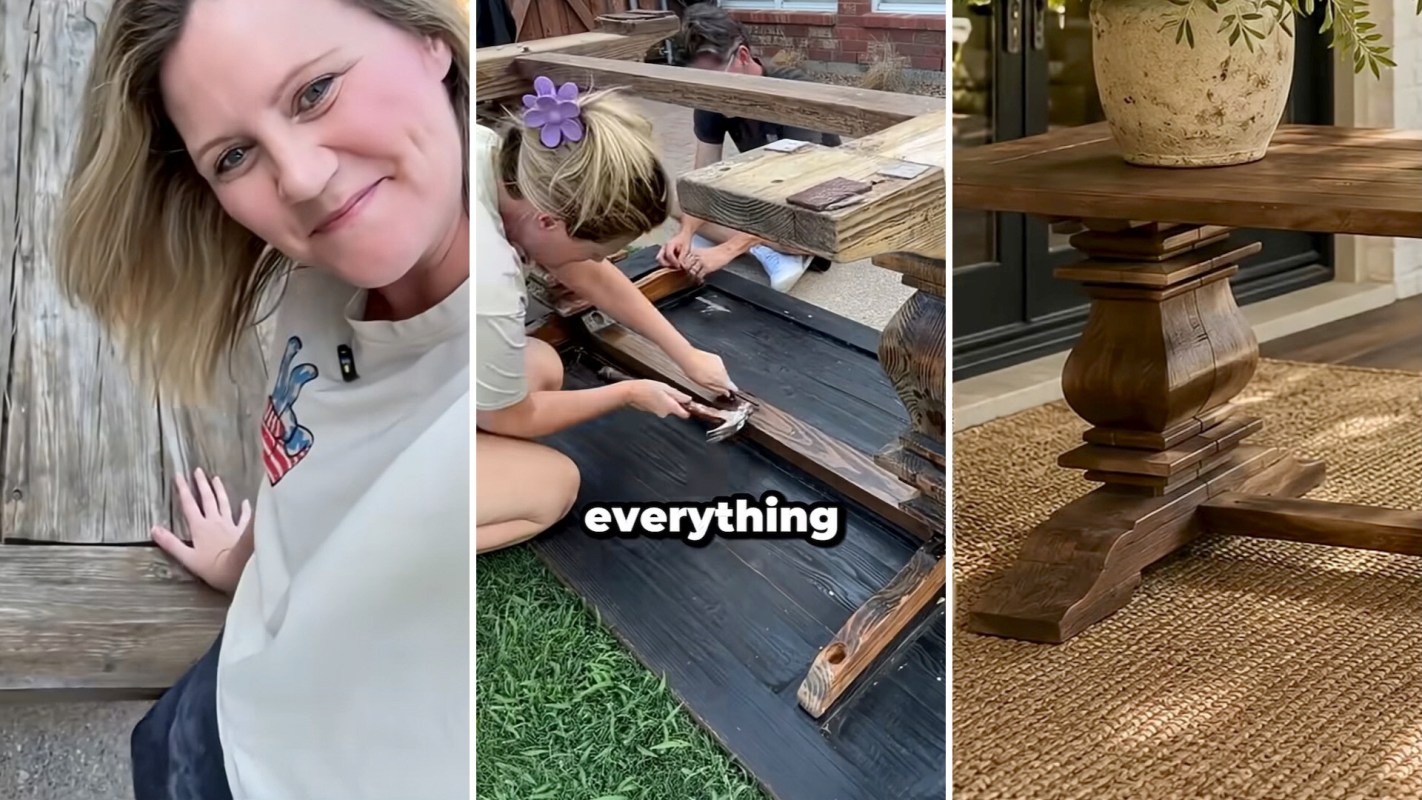
A rough-looking chair, cabinet, or side table left on the curb isn't always destined for the trash.
A YouTube furniture flipper suggested that with some effort and the right vision, discarded pieces can become useful home upgrades or profitable items to sell.
Here's what to know
Furniture flipper Kara of Lemons To Lemonade Home (@LemonstoLemonadeHome) demonstrated a straightforward rescue process, turning a curbside furniture discard into a $650 profit instead of a trip to the dump.
To begin, a closer look at a piece's underlying structure can help determine whether it is trash or a worthwhile project. The biggest tool of all might be an open mind.
"Curb furniture is not gross, and we need to talk about it," Kara declared. "Every time I post something free that I found, somebody is always in the comments like, 'Ew, who knows where that's been?'"
The creator's point is that every piece of secondhand furniture has been somewhere, including pieces in antique stores or fancy estate sales. Being left on the curb doesn't change the calculus at all for Kara.
TCD Picks » Quince Spotlight
💡These best-sellers from Quince deliver affordable, sustainable luxury for all




Cleaners, sanding tools, spot putty, primer, paint sprayers, and polish or wax can all transform a piece of furniture with a little effort. That doesn't mean every curb find is a hidden gem, but it does suggest that some pieces can be brought back without an overwhelming amount of work.
For many households, reusing furniture can lead to major savings. Meanwhile, thrifting can help people find better-built pieces than some newer budget options.
More background
Furniture is expensive, and the secondhand market can be one of the easiest ways to bring down the cost of furnishing a home.
Whether someone is browsing thrift stores, estate sales, yard sales, or curbside pickups, buying used or repairing old furniture can save money on domestic necessities, such as tables, shelving, lamps, and storage pieces.
Thrifting can also be rewarding beyond the savings. Shoppers regularly come across solid-wood items, vintage details, and rare or valuable pieces at steep discounts.
Meanwhile, extending the life of furniture keeps usable materials in circulation longer and can reduce the amount of waste headed to landfills. It may also lessen demand for newly manufactured goods, which often require raw materials, packaging, and transportation.
Curbside flips combine practical budgeting with reuse. A free item that only needs cleaning, repairs, and paint can become a highly customized piece at a fraction of retail cost.
What can be done?
The first step is inspection. Check whether the frame feels sturdy, whether drawers still work, and whether the damage appears cosmetic rather than structural. Deep rot, severe mold, or signs of pests are usually reasons to pass.
If everything checks out, though, don't let the origin of the furniture stop you from getting to work.
"Solid wood does not care how it got to you," Kara noted in the video.
Safety gear should come first, especially for sanding or spraying finishes. After that, the video's supply list pointed to a common refresh routine of cleaning the piece, smoothing rough areas, patching small flaws, priming and refinishing the surface, and then touching up details such as hardware or drawers.

Get TCD's free newsletters for easy tips, smart advice, and a chance to earn $5,000 toward home upgrades. To see more stories like this one, change your Google preferences here.






