


The fast-growing resale economy is giving budget-conscious Americans more ways to cut costs, especially outside the clothing racks.
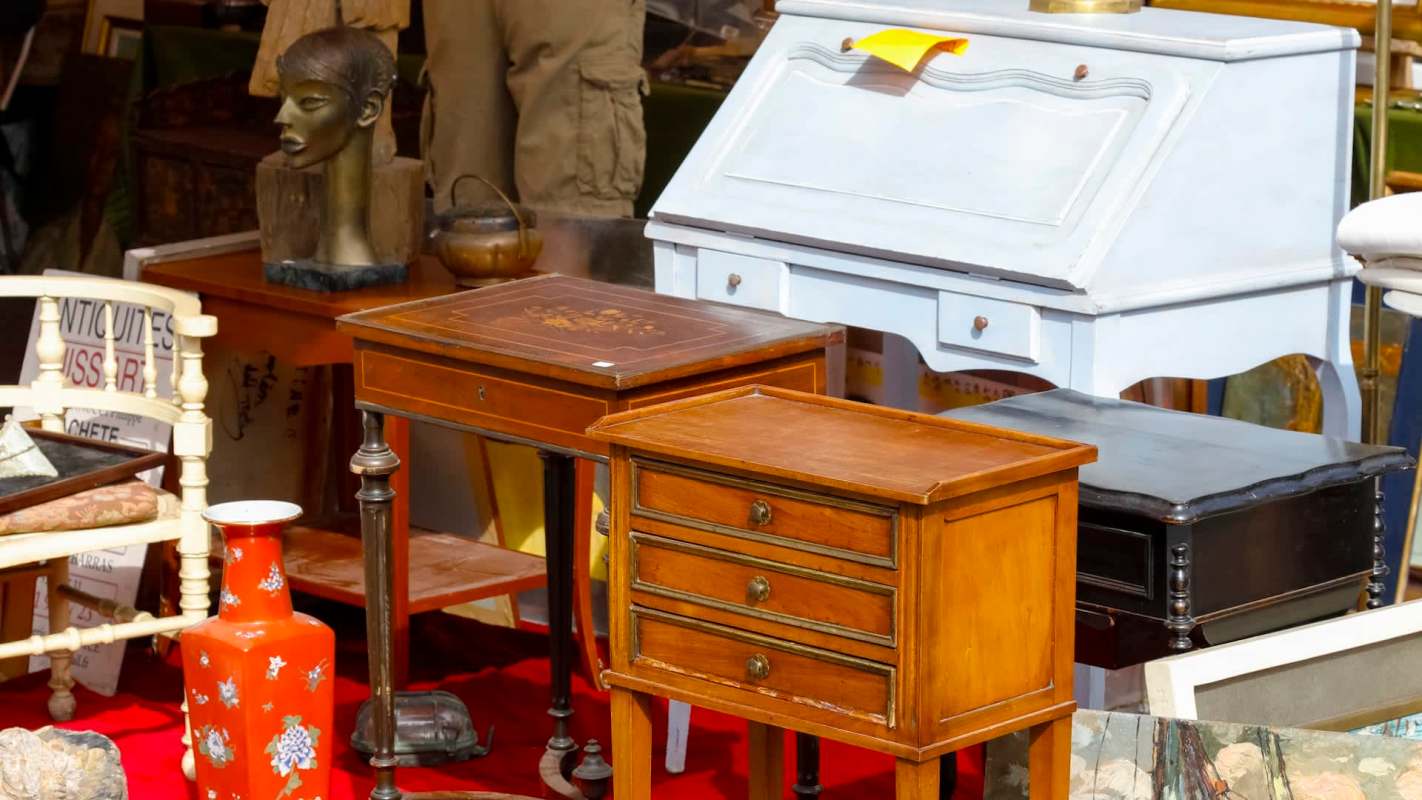
According to finance experts, some of the steepest savings can come from used furniture, cookware, and other home basics that are far pricier when purchased new.
What's happening?
In a new ThredUp report highlighted by AOL, the U.S. secondhand market was estimated at about $56 billion, up from roughly $28 billion in 2020.
ThredUp also found that 62% of Gen Z shopped secondhand, underscoring how mainstream thrifting has become.
For shoppers hoping to save the most, the smartest categories may not be the ones they expect. Ali Zane, personal finance expert and CEO of IMAX Credit Repair Firm, said, "The biggest dollar gaps are in furniture, kitchen equipment, small appliances and items that get outgrown before they wear out."
"Someone furnishing a first apartment can cut that cost dramatically without any change in what they actually own in the end," Zane added. In other words, a used couch, dresser, blender, or set of dishes may deliver a much bigger payoff than a discounted shirt.
TCD Picks » Quince Spotlight
💡These best-sellers from Quince deliver affordable, sustainable luxury for all




Melanie Musson, a finance expert with Quote.com, also noted that the experience tends to be easier when shoppers find a thrift store or resale platform that feels enjoyable and manageable rather than overwhelming.
Why does it matter?
For households contending with high prices, secondhand shopping can lower the cost of everyday necessities while still offering durable, high-quality items. A solid wood dresser or cast iron pan can last for years, making used versions especially appealing when they are priced at a fraction of what they would cost new.
Thrifting can also turn up rare, vintage, or unusually well-made finds at steep discounts, helping shoppers make their homes feel more personal without overspending. When people choose used goods over new ones, they help keep functional items in circulation and out of the waste stream.
Bargains are not automatically savings, experts said. Zane said, "Thrifting saves money only when it replaces a purchase you were going to make anyway."
Cheap prices can make impulse purchases seem harmless, even when they add up quickly or end up on a credit card.
What can I do?
Since every thrift store and resale platform is a little different, Musson recommended trying at least five to see which ones are the best fit.
It can also help to focus on items that lose value the moment they are bought new. Zane explained it this way: "A solid wood dresser or a cast iron pan doesn't care who owned it first. Anything with a motor, a battery or a safety rating deserves more scrutiny."
Shoppers can also benefit from the resale boom on the selling side by listing items they no longer wear or use. Zane said that for people carrying high-interest revolving debt, even a few hundred dollars earned from reselling can make a meaningful difference if that money goes directly toward paying down balances.
"Decide what you need before you walk in and treat the savings as savings by actually moving the difference toward a goal," Zane said. "Otherwise, it's just cheaper shopping, not a financial strategy."

Get TCD's free newsletters for easy tips, smart advice, and a chance to earn $5,000 toward home upgrades. To see more stories like this one, change your Google preferences here.






