


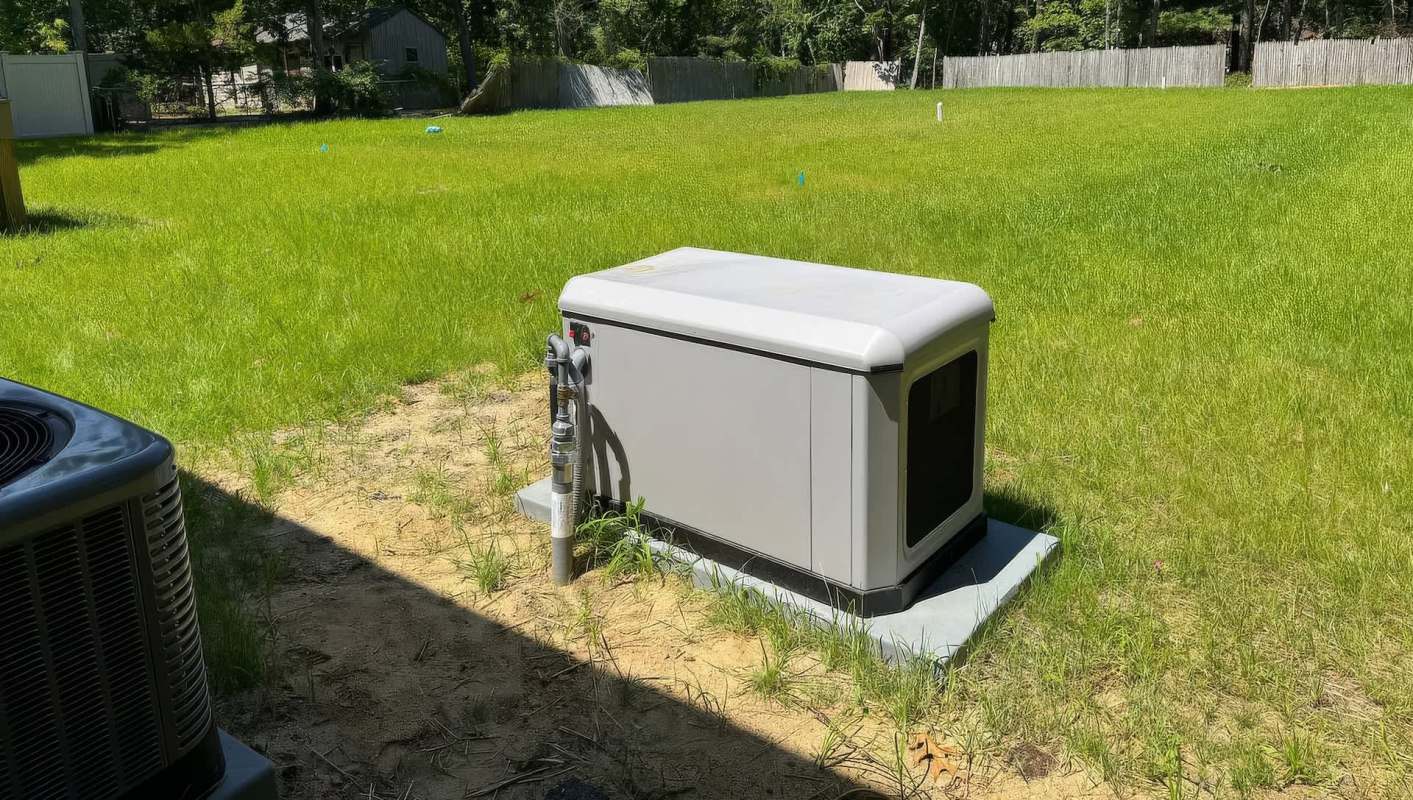
The tragic death of two people in South Carolina prompted officials to release a warning about the dangers of using generators indoors.
What's happening?
The Greenville News reported that two people in North Carolina's Anderson County died from carbon monoxide poisoning in December after using a generator to heat their home. In response to the incident, County Coroner Greg Shore issued a reminder that using generators indoors is never safe due to the toxic fumes they release into the air.
"Using alternative methods beyond central heating, like gas logs, to keep warm, or using a generator to power things, can emit carbon monoxide," the Greenville News said. "This invisible, odorless gas can be deadly."
Why is carbon monoxide concerning?
Because carbon monoxide has no color, taste, or odor, it can be difficult to detect, and that's why it's so deadly. The Centers for Disease Control and Prevention estimates that more than 400 Americans die each year from unintentional carbon monoxide poisoning not linked to fires. The agency adds that more than 100,000 people visit emergency departments each year due to carbon monoxide exposure, and that more than 14,000 are hospitalized.
Generators are not the only appliances that can release carbon monoxide into the home — any appliance that burns fuel, including furnaces, water heaters, stoves, and fireplaces, is a potential culprit. Still, portable generators are of particular concern, and federal data showed that at least 770 people in the U.S. died between 2011 and 2021 due to carbon monoxide poisoning while using portable generators.
What's being done about carbon monoxide poisoning?
The CDC recommends that people install a battery-operated or battery-backup carbon monoxide detector in every sleeping area of the home. The agency also urges people to have gas-, oil-, and coal-burning appliances serviced by a qualified technician annually and to make sure these devices are vented properly.
And if you ever feel symptoms of carbon monoxide poisoning — headache, dizziness, weakness, upset stomach, vomiting, chest pain, and confusion — it's important to get outside immediately.
One other way to help reduce your risk of carbon monoxide poisoning is to power your home with solar paired with battery storage for backup. Solar is a safer bet for the home, and a battery setup ensures you have adequate power during blackouts while avoiding the potentially deadly consequences of generator use — a new federal report found that even outdoor generators pose a safety concern.
Save $10,000 on solar panels without even sharing your phone number Want to go solar but not sure who to trust? EnergySage has your back with free and transparent quotes from fully vetted providers in your area. To get started, just answer a few questions about your home — no phone number required. Within a day or two, EnergySage will email you the best options for your needs, and their expert advisers can help you compare quotes and pick a winner. Solar panels can save you more than $50k over their 25-year lifespan, and EnergySage can help you save as much as $10k on installation. Which begs the question — isn't that worth an email or two? |

|
Do you have a backup power system at your home? Click your choice to see results and speak your mind. |
 Not at all 🙅
Get TCD's free newsletters for easy tips to save more, waste less, and make smarter choices — and earn up to $5,000 toward clean upgrades in TCD's exclusive Rewards Club.
Cool Picks


