


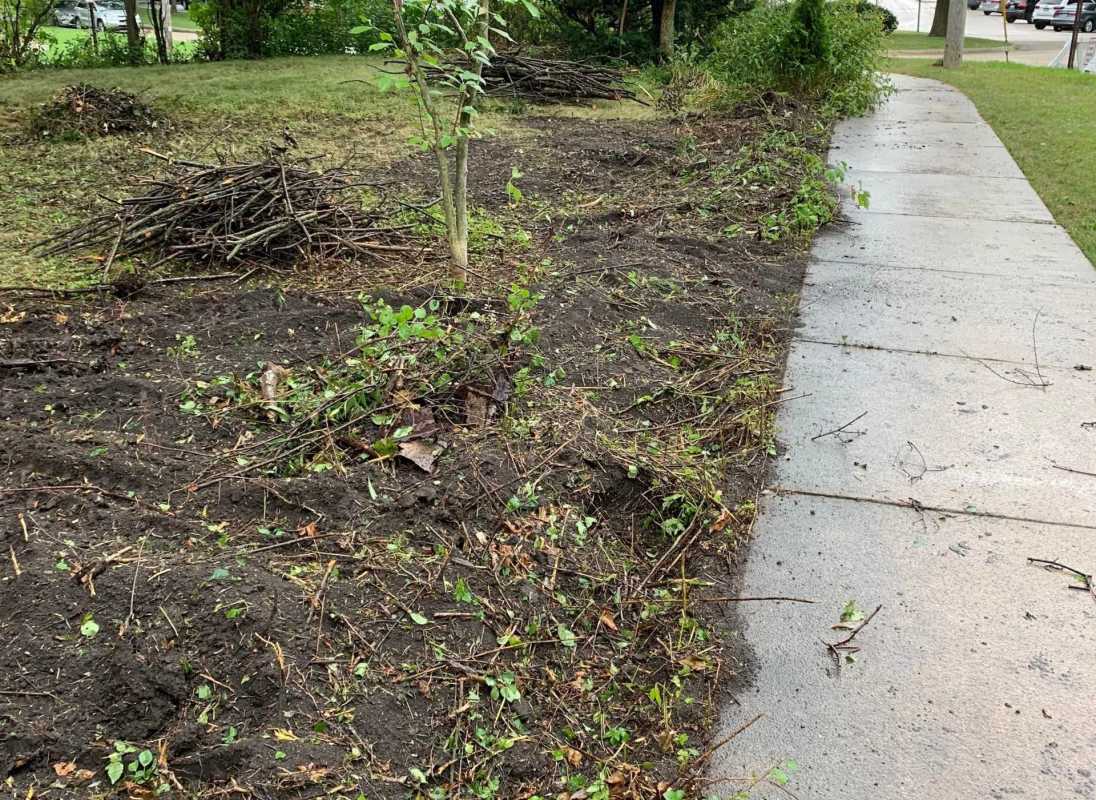
There's nothing like transforming an overgrown plot to cleanse an area — and your soul.
A Redditor highlighted their hard work to upgrade a strip of land next to a sidewalk and was eager to get started on the next phase of the project.

The before-and-after photos showed the massive change after the poster removed a ton of buckthorn and overgrown weeds.
The former is an invasive species native to Europe and Western Asia, but it's now found in much of the United States. It grows densely, dominating ecosystems and displacing native species.
After the buckthorn was cleared, there was plenty of room to further improve the space's curb appeal.
Perhaps the best way to do so is with native and drought-tolerant plants. They're good for biodiversity, the ecosystem, and your wallet.
TCD Picks » Quince Spotlight
💡These best-sellers from Quince deliver affordable, sustainable luxury for all




Native plants feed and shelter birds and other wildlife, control flooding, and don't require fertilizers or pesticides. "Native plants have formed symbiotic relationships with native wildlife over thousands of years, and therefore offer the most sustainable habitat," according to the National Wildlife Federation.
Drought-tolerant plants also don't require toxic chemicals and can save 40% of outdoor water use, Western Resource Advocates policy adviser Lindsay Rogers told the Washington Post.
Grass requires costly irrigation and regular maintenance and can contribute to pollution with said chemicals and gas-powered lawn equipment, which emit noise pollution and are an outsize source of air pollutants.
Because of their shallow roots, lawns demand 20% to 60% more water than other plants, Haven Kiers, assistant professor of landscape architecture at the University of California, Davis, told the Post.
Some cities, counties, states, and water districts even subsidize xeriscaping.
So many avenues for the poster to go down — good thing they were itching for more.
"Can't wait to amend the soil and landscape!" they wrote.
One commenter nodded their approval: "Nice! Buckthorn is so hard to remove — you deserve a pat on the back!"

Join our free newsletter for easy tips to save more, waste less, and help yourself while helping the planet.






