


One disappointed secondhand shopper had the rug — well, bag — pulled out from under them, according to a post in the Thrift Store Hauls subreddit.
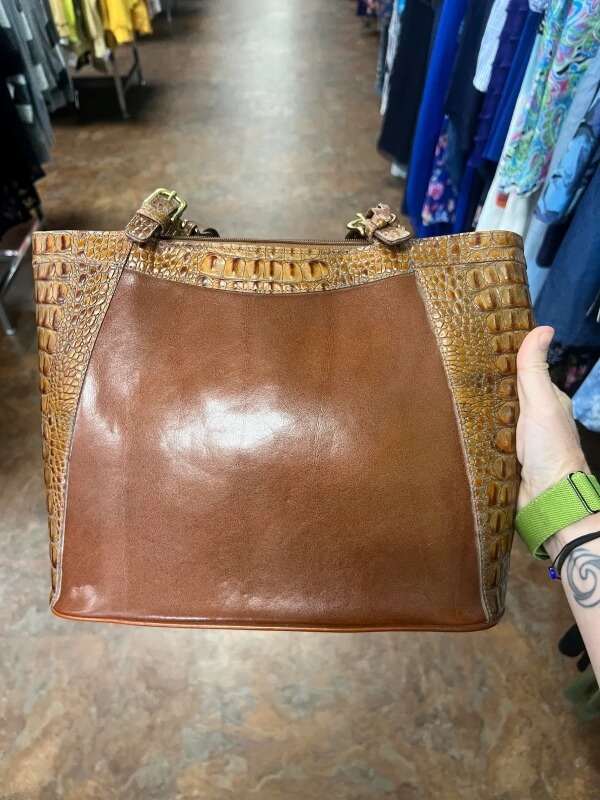
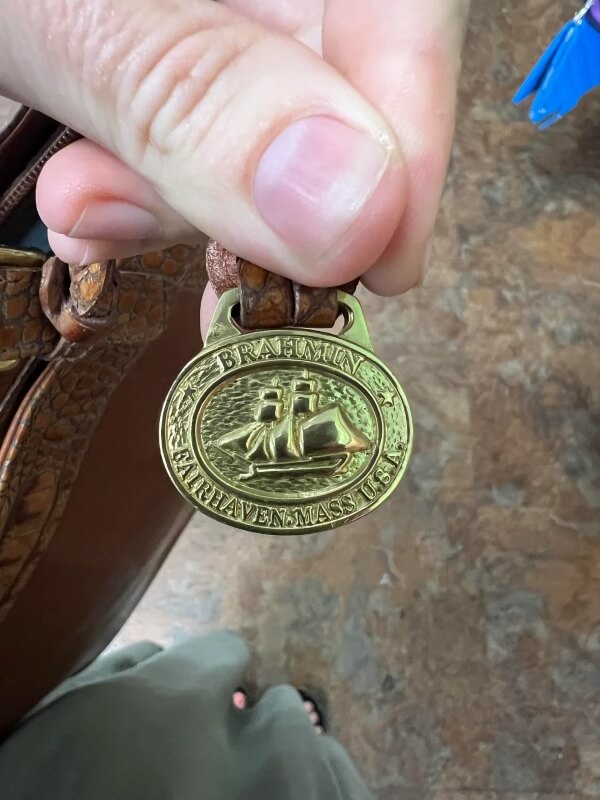
The original poster shared two photos, one that seemed to show a brown Brahmin leather bag and another that provided a close-up of the brand's name. The thrift price wasn't shown, but online prices show that similar bags from the brand can retail for close to $400 new.
"This handbag was taken from me at checkout at Goodwill and I was told I can buy it online because it was too high price of an item and those items get sent to corporate," the original poster wrote.
One commenter replied, "What a scam, LOL. I found my Brahmin bag on the ground at Savers with no price tag so the cashier priced it on-sight at $4.99."
"Lol, code for cashier buying it for themselves," another joked.
One commenter, who shared that they manage another Goodwill location, offered some additional information: "I am so sorry this happened. We do send higher-priced items to e-commerce, but to try to take something that someone has already found on the sales floor is just disgusting behavior."
Like an ostensibly separate Goodwill selling single tampons for $.50 each — making a typical box of 20 come to $10 — and the store dumpster full of unopened boxes of food and household products, this Brahmin bag situation seems to demonstrate some operational issues seemingly out of alignment with the retailer's overall mission.
However, the incident also appears to be an outlier, particularly when compared to big finds like the Hermès scarf that sold for a few cents, the midcentury walnut Lane nightstand for $11, and the bag of Tiffany sterling silver pieces selling for under $1. That is, anyone new to thrifting may not want to give up on the endeavor over one bad interaction.
But shopping secondhand isn't just about snagging designer items at bargain prices. Thrifting's circular economy keeps useful items out of landfills, which, in 2022, released 14.4 percent of total human-caused methane pollution in the United States, according to the Environmental Protection Agency.
Repurposing and upcycling can reduce water pollution, transportation exhaust, and the energy used to create new clothing and other products. They can also save consumers huge amounts of money on the basics, like school and kitchen supplies.
TCD Picks » Quince Spotlight
💡These best-sellers from Quince deliver affordable, sustainable luxury for all




Giving older items a new life is a time-tested tactic to help clean up air, water, soil, and food systems while also cooling down the planet — which had its hottest year on record in 2024, according to the National Aeronautics and Space Administration.
|
What's your primary motivation in shopping at thrift stores?
Click your choice to see results and speak your mind. |
 Cheaper clothes 🤑
Join our free newsletter for easy tips to save more and waste less, and don't miss this cool list of easy ways to help yourself while helping the planet.
Cool Picks






