


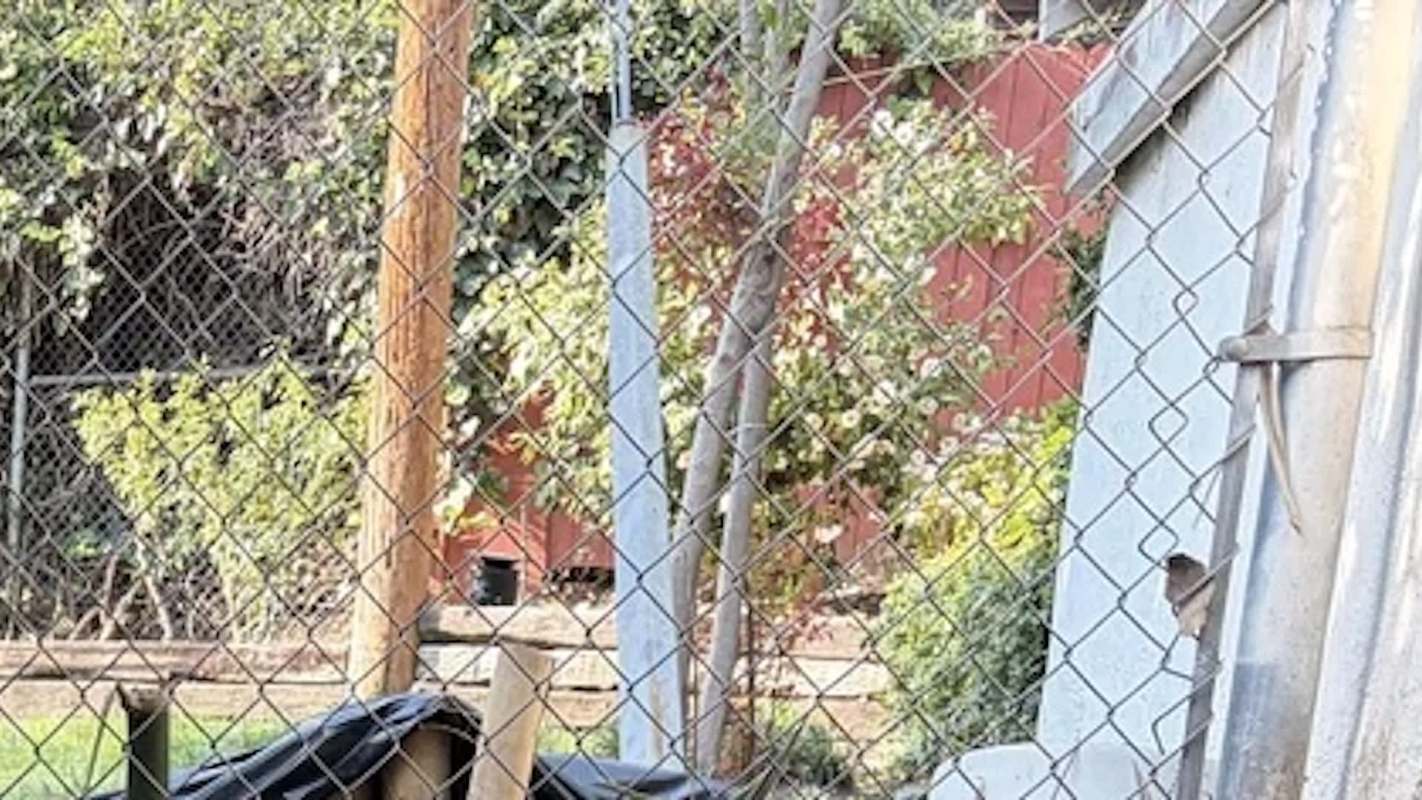
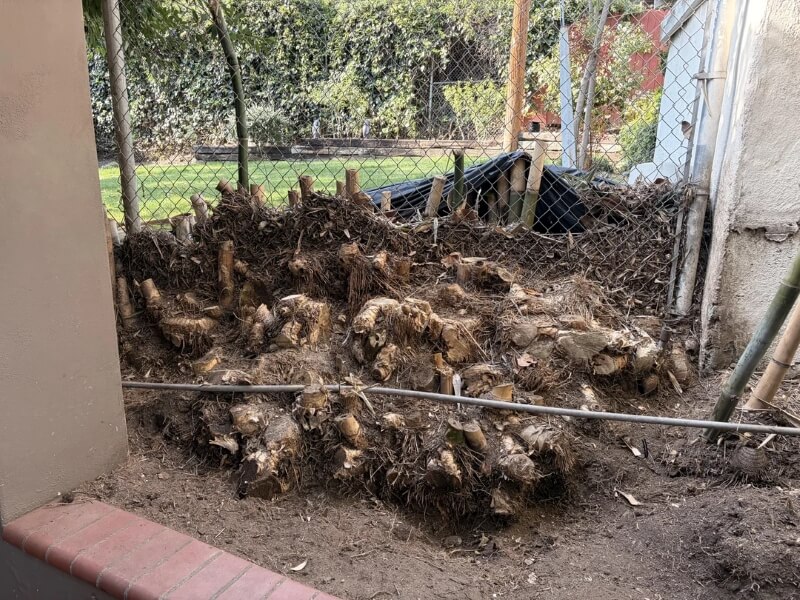
A photo of a tangled mass of bamboo roots sparked equal parts horror and sarcasm online after a landscaper asked Reddit for advice on how to remove it.
The post, shared to r/landscaping, showed what remained after bamboo stalks were cut back — revealing a dense underground root system that commenters quickly identified as a nightmare scenario. The poster asked, "Easiest way to remove bamboo roots?" but the answers from the community made it clear there would be nothing easy about it.
Bamboo is notorious for spreading aggressively through rhizomes — underground stems that can stretch far beyond where the plant is visible above ground. Once established, it can outcompete native plants and damage infrastructure. And as many homeowners have learned, it can even creep into neighboring properties.
The post highlights an issue homeowners face when invasive plant species are introduced without full understanding of their long-term impacts. While bamboo is often marketed as a fast-growing privacy screen or ornamental plant, it can quickly escape containment, threatening local ecosystems and becoming an expensive, frustrating headache.
Invasive species degrade soil health, making landscapes more vulnerable to erosion. And when they beat back native species, it reduces biodiversity, not just in plants but also in local wildlife that rely on native species for food and habitat.
In contrast, rewilding your yard by landscaping with native plants offers a low-maintenance and more eco-friendly alternative. Native plants are adapted to local conditions, meaning they require less water, fewer chemicals, and less upkeep — saving homeowners time and money. They also support pollinators that protect the human food supply.
Options including clover lawns, buffalo grass, and xeriscaping can provide low-maintenance ground cover that lowers water bills and frees up weekends from lawn work. Even swapping out a portion of a traditional lawn can help reduce water bills and create a healthier, more resilient yard.
Commenters didn't hold back. One joked, "Sell the house." Another humorously emphasized the trouble with invasive plants, saying, "Plant some mint and let them fight it out."
Someone who owned a bamboo removal company said: "Only way to remove it is from the root with an excavator. Then spot dig missed sections over the next couple of years." They added: "Then you're going to need to move it and it's going to weigh 300-400+ pounds. Trying to cut it with a saw is a great way to lose a finger."
|
What's the most you'd pay per month to put solar panels on your roof if there was no down payment?
Click your choice to see results and speak your mind. |
 $200 or more 💰
Get TCD's free newsletters for easy tips to save more, waste less, and make smarter choices — and earn up to $5,000 toward clean upgrades in TCD's exclusive Rewards Club.
TCD Picks » Quince Spotlight
💡These best-sellers from Quince deliver affordable, sustainable luxury for all




Cool Picks




