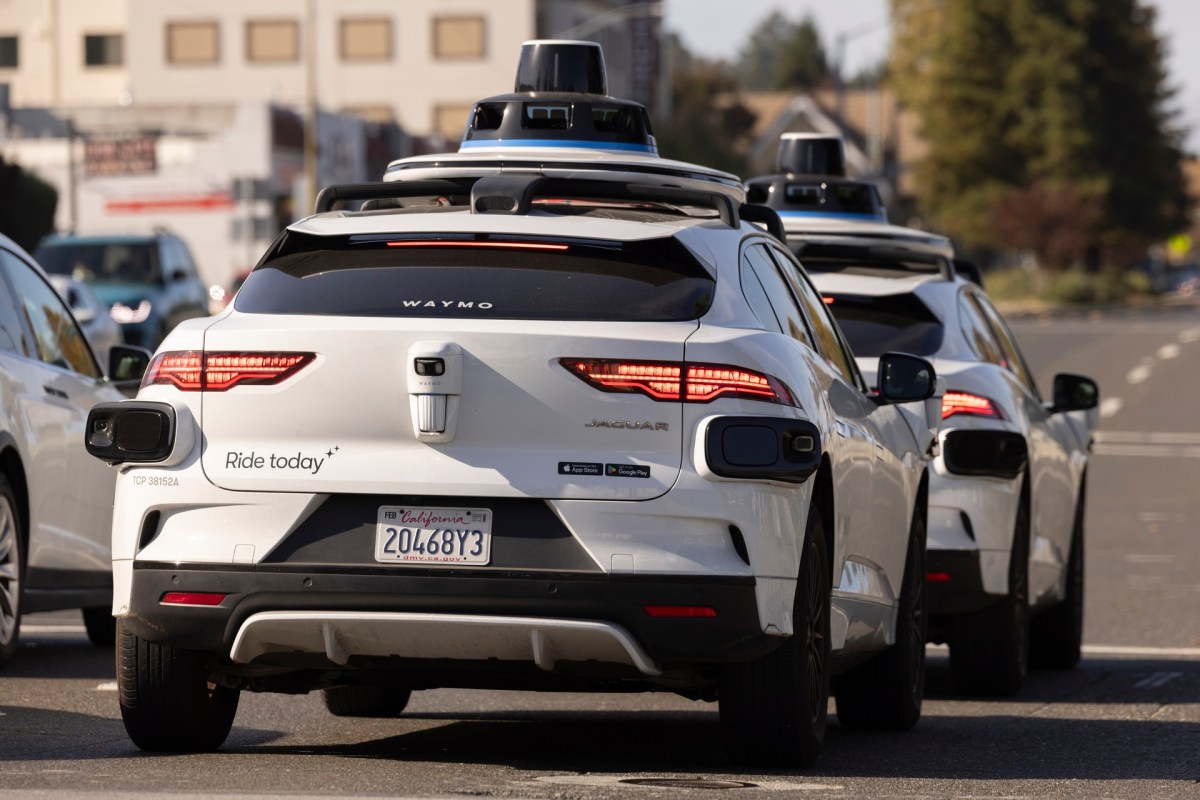
Self-driving cars have long been framed as the future of transportation, as far back as depictions of autonomous cars like Herbie from movies such as 1968's "The Love Bug." But for people who are looking for cheaper and cleaner ways to get around cities, progress in the industry remains necessary.
As 2026 approaches and self-driving cars remain more of a novelty that few have experienced firsthand, it's beginning to look like that progress may be building some modest steam.
According to CNBC, Waymo is rapidly expanding paid driverless rides and has expanded past the milestones of other companies, like Tesla. Although this is an incredible milestone, the gap between Waymo and other self-driving car companies can impact how quickly consumers gain access to reliable, autonomous, lower-impact transportation.
What's happening?
Waymo, Alphabet's robotaxi unit, has crossed 450,000 weekly paid rides in the U.S., according to a letter from investor Tiger Global reviewed by CNBC. That's nearly double the 250,000 weekly rides Waymo reported in April. Waymo has expanded operations to include freeway driving and service in cities such as Miami; Dallas; Houston; and Orlando, Florida.
"Waymo is the clear leader in autonomous driving, recently surpassing 450k trips per week with a product that is 10x safer than human drivers," Tiger Global called Waymo in its investor letter.
Tesla, by comparison, remains in the pilot stages. According to CNBC, Tesla has conducted small-scale autonomous tests in Austin, Texas, and operates ride-hailing with human drivers or safety supervisors in the Bay Area. Tesla executives said on the company's latest earnings that its fleet logged about a quarter million miles in Austin and over 100 million miles in the Bay Area, though both areas are not entirely driverless.
Why is clean travel important?
This is important because for consumers, slower progress in robotaxis means fewer affordable alternatives to gas-burning cars or other modes of travel that contribute more significantly to pollution.
According to the U.S. Bureau of Labor Statistics, electric vehicles grew from about 22,000 on U.S. roads in 2011 to more than 2 million by 2022, showing how quickly cleaner transportation can scale when products are accessible. EVs also reduce heat-trapping air pollution because they produce no tailpipe emissions, per the EPA. Delays in deploying shared electric transportation could slow those benefits, especially in dense urban areas.
The lag may also lead to uncertainty for customers who expected faster rollouts of autonomous services. There have been questions in the past about the timing and feasibility of some of Tesla's future transportation concepts, like autonomous vans. These have yet to materialize.
While Tesla continues to successfully sell EVs, slow progress on autonomous vehicles could shape expectations on what the benefits of clean autonomous driving even provide. High optimism around new tech can take a product far, but sometimes, as was seen with Apple's Apple Vision Pro and other mixed- and virtual-reality devices, adoption can stall out before it penetrates the mainstream before suddenly making a top-line product feel like old news.
TCD Picks » Quince Spotlight
💡These best-sellers from Quince deliver affordable, sustainable luxury for all




|
What company would you trust most to build a high quality robotaxi? Click your choice to see results and speak your mind. |
 Uber 📲
 What's being done about progress?
Waymo continues to expand its fully driverless fleet to maintain its edge, according to CNBC. Tesla, meanwhile, has signaled continued investment, according to the report, while relying on supervised systems for now.
If shared electric transportation grows at scale, it could reduce the number of gas-powered trips on the road. And especially if you aren't in a dense, walkable or commutable urban area, upgrading your own vehicle to an EV can help shape the future of clean transportation, too, by reducing your operational and maintenance costs as well as your pollution impact per year.

Get TCD's free newsletters for easy tips to save more, waste less, and make smarter choices — and earn up to $5,000 toward clean upgrades in TCD's exclusive Rewards Club.
Cool Picks