


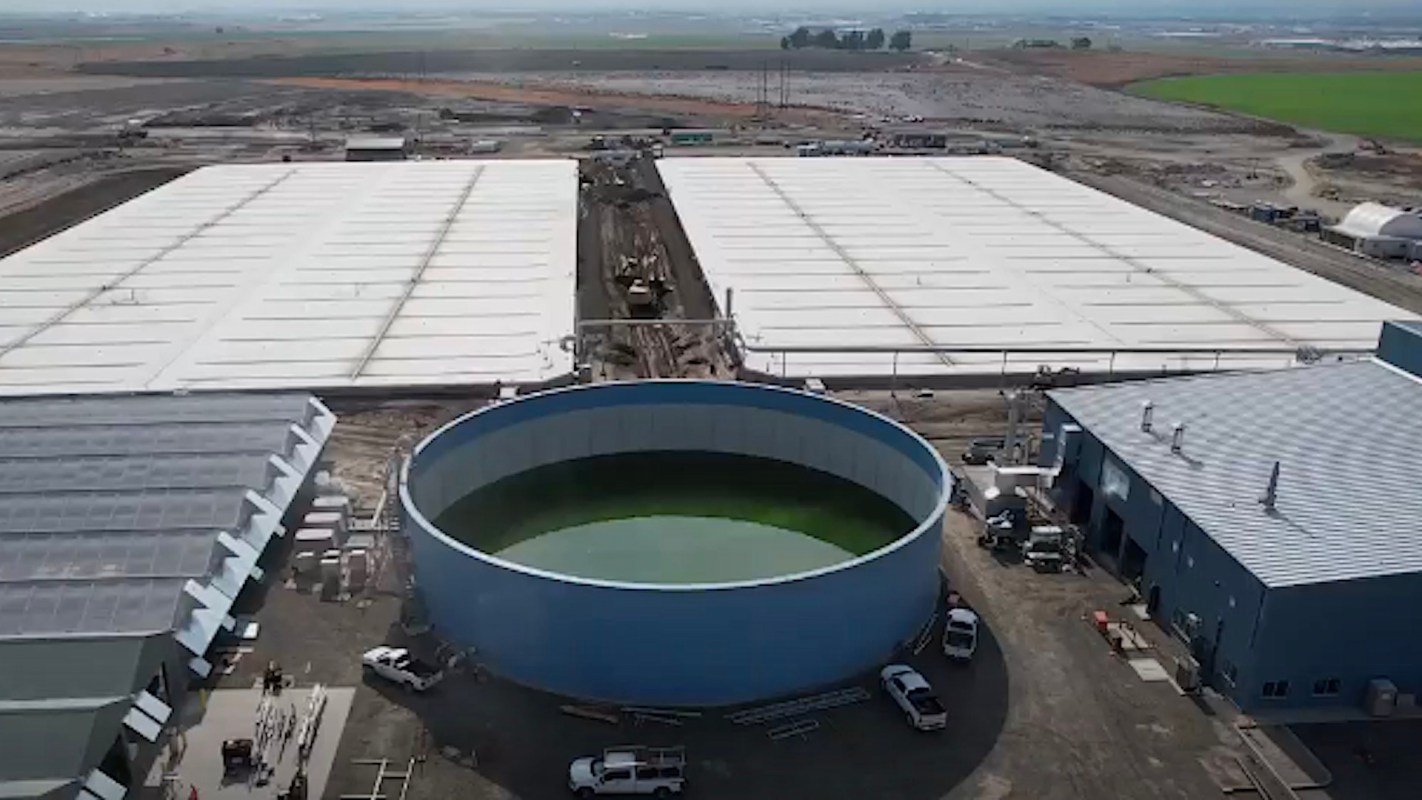
A wastewater treatment plant in Peoria, Illinois, is turning what used to be a pollution problem into a clean energy solution and a new revenue stream, according to Environment+Energy Leader.
The Greater Peoria Sanitary District has partnered with renewable energy firm Burnham RNG to capture methane from its wastewater treatment process and convert it into renewable gas, a cleaner fuel used for heating, transportation, and electricity generation.
Methane is one of the most potent greenhouse gases, trapping over 80 times more heat than carbon dioxide in the short term. Traditionally, wastewater plants flare it off or release it into the atmosphere. GPSD's new approach turns that waste into opportunity, producing marketable fuel while reducing harmful pollution.
For other utilities struggling with rising costs and stricter environmental standards, Peoria's model shows how innovation can balance sustainability with financial stability.
"This collaboration is a testament to GPSD's forward-thinking approach to sustainability," said Burnham RNG founder Chris Tynan, per E+E Leader, "and a significant step forward in our shared mission to unlock the value of biogas and create cleaner energy."
The initiative reflects a growing trend in public-private collaborations that harness municipal infrastructure for clean energy projects. Burnham RNG brings technical expertise in converting biogas into fuel-grade renewable gas — capabilities that smaller public utilities often lack. By working together, GPSD and Burnham are reducing project risk, speeding implementation, and ensuring regulatory compliance.
Founded in 1927, GPSD serves about 140,000 residents in central Illinois. Now, its facility is positioning itself as a regional leader in resource recovery and transforming wastewater management into a local source of clean energy. The project also offers long-term economic benefits, with locally produced renewable gas helping stabilize rates and reduce dependence on volatile fossil fuel markets.
Burnham RNG has led similar resource recovery projects nationwide, including an award-winning facility in Florida that turns industrial wastewater into renewable gas, demonstrating that Peoria's approach is part of a growing clean energy trend.
By cutting methane pollution and generating homegrown energy, the district is improving both local air quality and public health. Similar systems could help communities nationwide reduce pollution while saving money. This project will be the proof that sustainability doesn't have to come at the expense of affordability.
While not everyone has access to clean power from their grid, individual homeowners can help the environment and reduce their power bills by checking out a different source of clean energy: solar panels.
|
Which of these factors would most effectively convince you to support nuclear energy projects in your area? Click your choice to see results and speak your mind. |
 Lower energy bills 💸
 Installing solar panels is the ultimate home energy hack because it can bring your electricity costs down to or near $0. EnergySage provides a free service that makes it easy to compare quotes from vetted local installers and save up to $10,000 on solar installations.
When you go solar, using other money-saving electric appliances, like heat pumps, is even cheaper to run. Mitsubishi can help you find the right affordable heat pump for your home.

Join our free newsletter for good news and useful tips, and don't miss this cool list of easy ways to help yourself while helping the planet.
Cool Picks





