


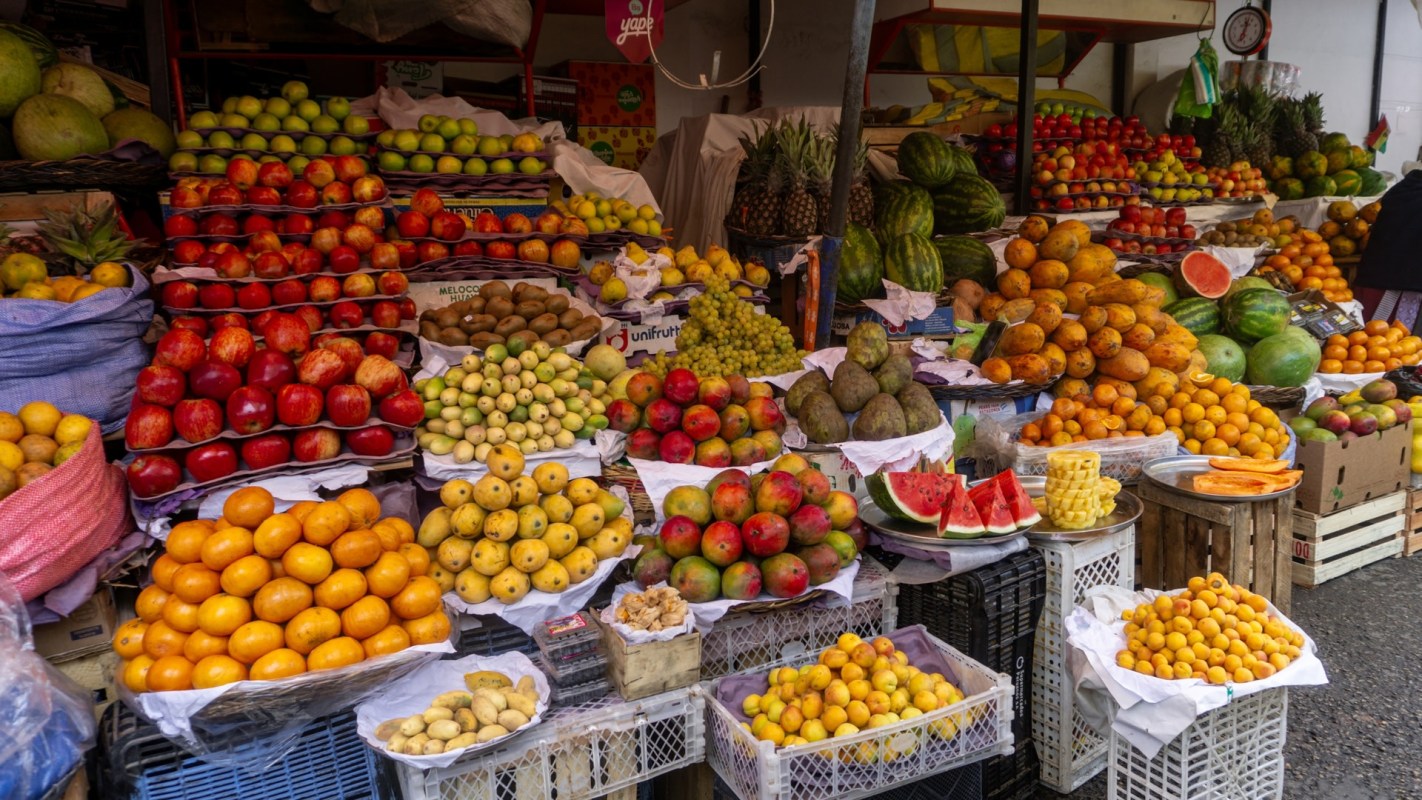
While some companies believe excessive packaging is attractive and convenient for their customers, it's actually unnecessary waste that harms the environment.
Grocery stores are notorious for their wasteful packaging, even for items that don't require any packaging at all, such as fresh fruits and vegetables.
What's happening?
In a Reddit post to r/mildlyinfuriating, one shopper posted a photo of a mango placed inside a cardboard box and wrapped in plastic.
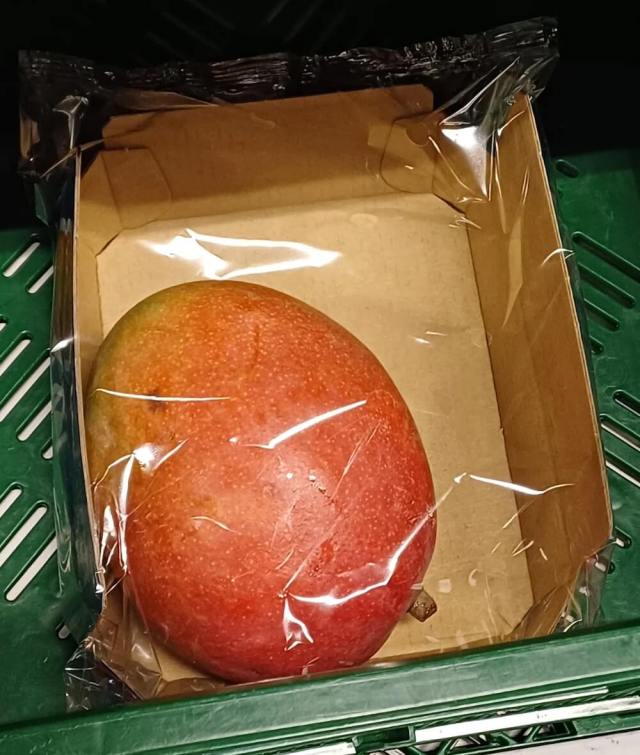
"This mango at the grocery store with excessively much packaging," the original poster wrote.
Mangoes are delicate fruits prone to bruising during transit, so protective packaging may be beneficial for shipping. However, other Reddit users agreed that individually wrapping each mango for a store display is going overboard and unnecessary.
"What could possibly be the purpose of this?" another Reddit user asked in the comments.
TCD Picks » Quince Spotlight
💡These best-sellers from Quince deliver affordable, sustainable luxury for all




"The mango doesn't need packaging, that's what its skin is for," someone else wrote.
Why is wasteful packaging a problem?
Excess packaging contributes to the accumulation of more trash in our already overflowing landfills. Landfill pollution is a significant contributor to air and ocean pollution.
When non-biodegradable packaging enters landfills, it can take hundreds of years to break down. In the meantime, it leaches microplastics into our environment and poses safety risks to wildlife.
Also, unnecessary packaging isn't free for manufacturers or consumers. Companies must pay to excessively wrap their products, and they pass those costs down to their customers in the final purchase price.
|
Should plastic grocery bags be banned nationwide? Click your choice to see results and speak your mind. |
 Absolutely 👍
 Are grocery stores doing anything about this?
In the comment section of the Reddit post, the OP shared that they took the photo of the mango at a Colruyt grocery store in Belgium. Colruyt is a family-owned supermarket chain in Belgium, operating over 700 stores.
On its website, Colruyt has discussed its efforts to minimize waste and maximize recycling. For example, the grocery chain donates and reuses unsold food. It also reuses cardboard, film, and hard plastics by transforming them into new products.
However, many other grocery stores in various places also push excess packaging and unnecessary waste onto their customers.
Although many of these stores have begun to take sustainability seriously, there is still significant work to be done to eliminate packaging waste from grocery store stockrooms and aisles.
For example, a Netherlands-based chain, Albert Heijn, has been using non-toxic, biodegradable packaging materials to reduce waste and extend the shelf life of its food. In New Jersey, ShopRite has partnered with TerraCycle to recycle flexible plastic packaging.
Meanwhile, Trader Joe's and Kroger grocery stores have been prioritizing food waste donation efforts to prevent usable food from going into the trash.
What's being done to address excess packaging more broadly?
Several U.S. states are taking action to reduce packaging waste in public circulation.
New York's Packaging Reduction and Recycling Infrastructure Act is helping residents reduce their use of single-use plastics and has banned toxic chemicals in packaging.
Elsewhere, Minnesota lawmakers passed a bill that requires all packaging to be reusable, recyclable, or compostable by 2032. Colorado, Oregon, California, and Maine are in the process of implementing similar policies.
Beyond the grocery store shelves, there are numerous ways to reduce excess packaging and plastic use in your daily life.
Innovative companies are utilizing modern technology to provide more plastic-free options for the products you use regularly. You can also do your part to reduce excess packaging waste by bringing reusable bags to the grocery store and drinking from reusable water bottles.
Bringing your own to-go containers to restaurants will help reduce the demand for disposable packaging. Meanwhile, you can choose to shop for produce at farmers' markets and local stores that minimize packaging without compromising the quality of their healthy produce.

Join our free newsletter for good news and useful tips, and don't miss this cool list of easy ways to help yourself while helping the planet.






