


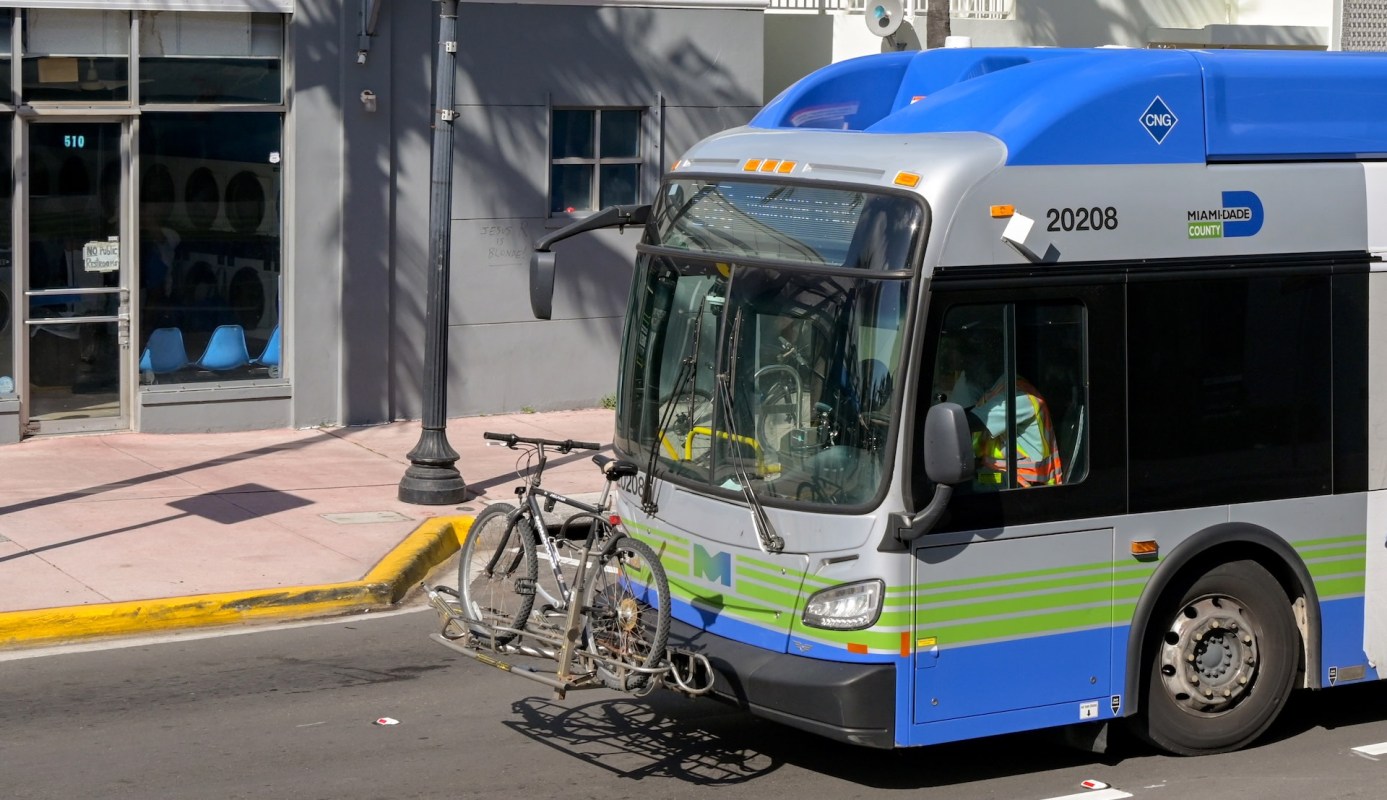
Florida still has $41 million in funds earmarked specifically for investment in clean energy infrastructure, but according to the Miami Herald, the state's Department of Environmental Protection now wants to divert that money toward dirty energy-centric projects.
What's happening?
In September 2015, the United States Environmental Protection Agency (EPA) issued a notice to Volkswagen for alleged violations of the Clean Air Act.
The EPA accused Volkswagen of intentionally installing software in models manufactured between 2009 and 2015, "defeat devices" designed to conceal emissions of nitrous oxides "up to 40 times" above existing federal standards.
Ultimately, Volkswagen and the EPA reached a settlement that required the automaker to create a $2.7 billion mitigation trust fund. Florida received $166 million, funds invested in electric buses for schools and public transit.
The Miami Herald reported that $41 million of those funds had yet to be spent, and that an August draft proposal from the FDEP indicated the agency intended to divert tens of millions to "'new diesel' and compressed natural gas."
Citing "equipment supply challenges" and "shifts in federal incentive structures" among other factors, the FDEP proposed a cessation in funding electric vehicle charging infrastructure (EVCI) in favor of investing in "new clean diesel and compressed natural gas replacements."
Why are energy experts objecting to the proposal?
Anne Blair, the Electrification Coalition's vice president of policy and freight, talked to the Herald about what the FDEP's proposal entailed.
Blair cut to the chase, explaining that the "alternative fuels" outlined in the draft "aren't nearly as clean as electrification." She acknowledged they could reduce emissions to a degree, but unlike electric vehicles, the proposed alternatives weren't "emissions-free."
Energy sciences expert Kevin Lofgren works with biofuels, and he emphasized that biodiesel and renewable diesel are not interchangeable, as they have different qualities and impacts.
Lofgren explained that the production of renewable diesel can result in carbon dioxide emissions, and he referred to the process as "energy-exhaustive." Lofgren characterized renewable diesel as a form of greenwashing.
TCD Picks » Quince Spotlight
💡These best-sellers from Quince deliver affordable, sustainable luxury for all




|
Do you think the government should ban gas-powered lawn tools? Click your choice to see results and speak your mind. |
 No way 🙅
 "Renewable diesel is a little bit of a greenwash scam. It's great for business, not necessarily great for the environment. The temperatures and the pressures it takes to make this stuff is really extreme," Lofgren said.
"As much as I wish that these things were just God's gift to mankind, they aren't, and they do have their downsides," he lamented.
Florida's swift turn away from clean energy wasn't entirely surprising: In March, the Tampa Bay Times speculated that the federal government might "claw back" the state's mitigation funds.
What can be done about it?
As the Miami Herald noted, the FDEP's plan was a draft proposal.
The outlet indicated that a public comment window closed on September 19, before the article was published.
Contacting lawmakers to object to the proposed diversion of funds is one way to make a difference; voting for climate-focused candidates is another.

Join our free newsletter for good news and useful tips, and don't miss this cool list of easy ways to help yourself while helping the planet.
Cool Picks




