


A new program is proving how far vehicle-to-grid technology has come since scholars proposed its potential nearly 30 years ago.
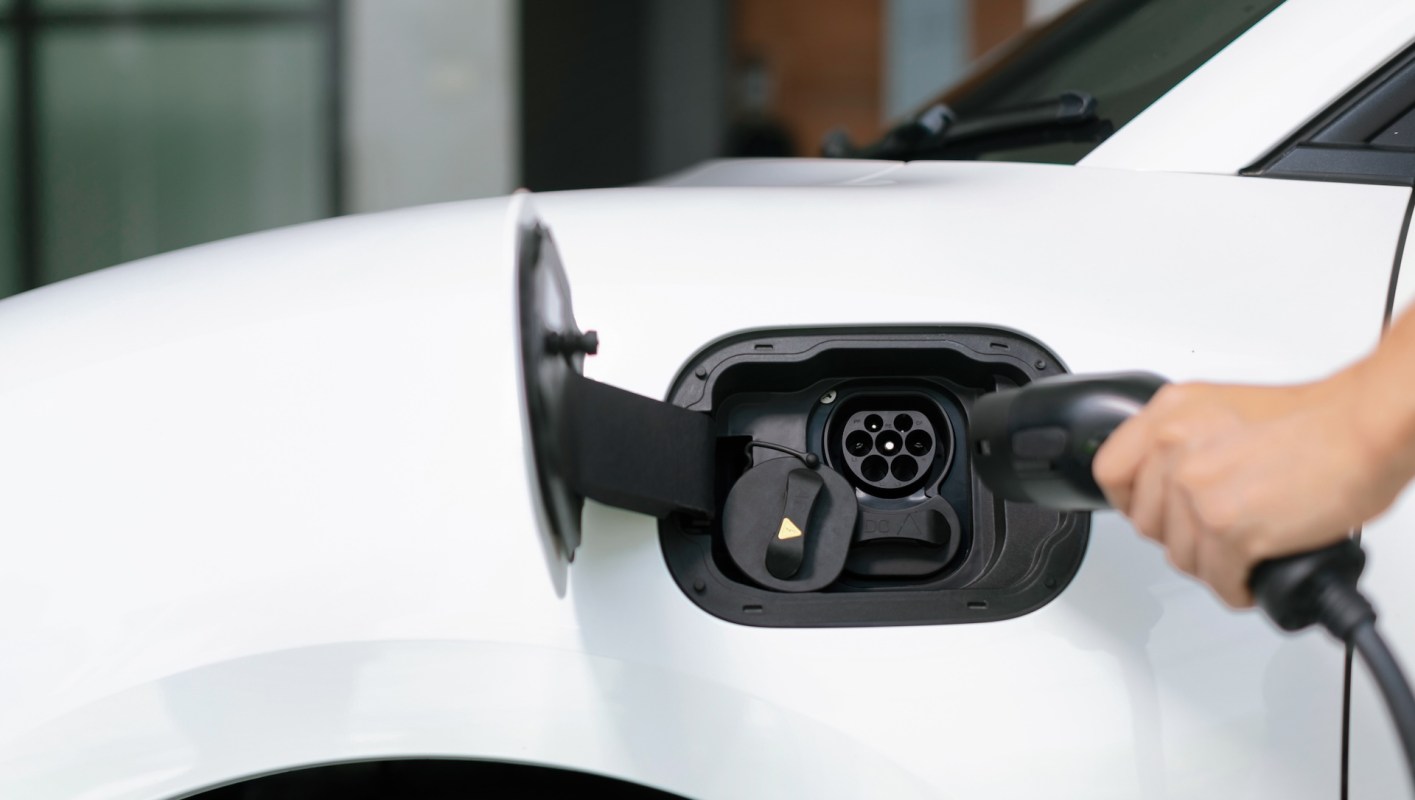
A Baltimore utility company launched a project that allows electric truck owners to send power from their cars to the grid, according to Inside Climate News.
Participants are compensated for the energy, creating new financial opportunities for EV owners. The Baltimore Gas and Electric Company (BGE) program is being run in collaboration with solar company Sunrun and Ford. It uses a handful of Ford F-150 Lightning electric pickup trucks.
A study co-authored by University of Delaware professor Willett Kempton, published in 1997, touted the potential of this technology.
The paper stated that EVs could send energy to the grid with little effect on the battery or vehicle. It also suggested that owners could be compensated for their power, offsetting the costs of EV ownership. After nearly 30 years, energy companies and automakers are finally catching up to Kempton's work.
"The economics are really compelling," he told Inside Climate News.
The BGE program is reportedly the first to incorporate residential cars into the grid, according to a Sunrun press release. It has tapped three trucks for energy so far, compensating owners with up to $1,000 from July to September.
This experiment underscores the financial benefits that drivers can reap when switching to an EV. EVs reduce the amount of dirty energy put into the atmosphere while saving owners thousands on gas and maintenance fees. With this technology on the rise, it pays to transition to electric.
The world is experiencing an energy crisis, meaning there is a shortage due to high demand, which increases utility costs. Thus, it is critical to find sustainable, resilient solutions for meeting these needs and lowering bills.
Bidirectional EV charging, which is what the BGE program uses, offers a fix to this issue. This technology allows electricity to flow between EVs and the grid. The vehicles also serve as energy storage, which reduces strain on our aging grids.
TCD Picks » Quince Spotlight
💡These best-sellers from Quince deliver affordable, sustainable luxury for all




|
Would you be more willing to buy an EV if it could travel over 600 miles per charge? Click your choice to see results and speak your mind. |
 Definitely 👍
 One study in Nature Communications even found that this technology could bring new life to degraded EV batteries. While the old batteries are unfeasible for cars, which need as long a range as possible, they can serve as "serviceable as stationary storage for the grid." This helps curb lithium-ion battery waste that can leach into groundwater or soil, posing health risks.
In 2005, Kempton hypothesized that if a quarter of American citizens switched to EVs, they could generate up to 660 gigawatts of power, according to Inside Climate News. Progress has been slow, and widespread adoption has been inhibited by a lack of standardization in the tech.
As charging standards become more common, energy companies and automakers are better able to implement these programs.

💰Get TCD's free newsletters for easy tips to save more, waste less, and make smarter choices — and earn up to $5,000 toward clean upgrades in TCD's exclusive Rewards Club.
Cool Picks





