


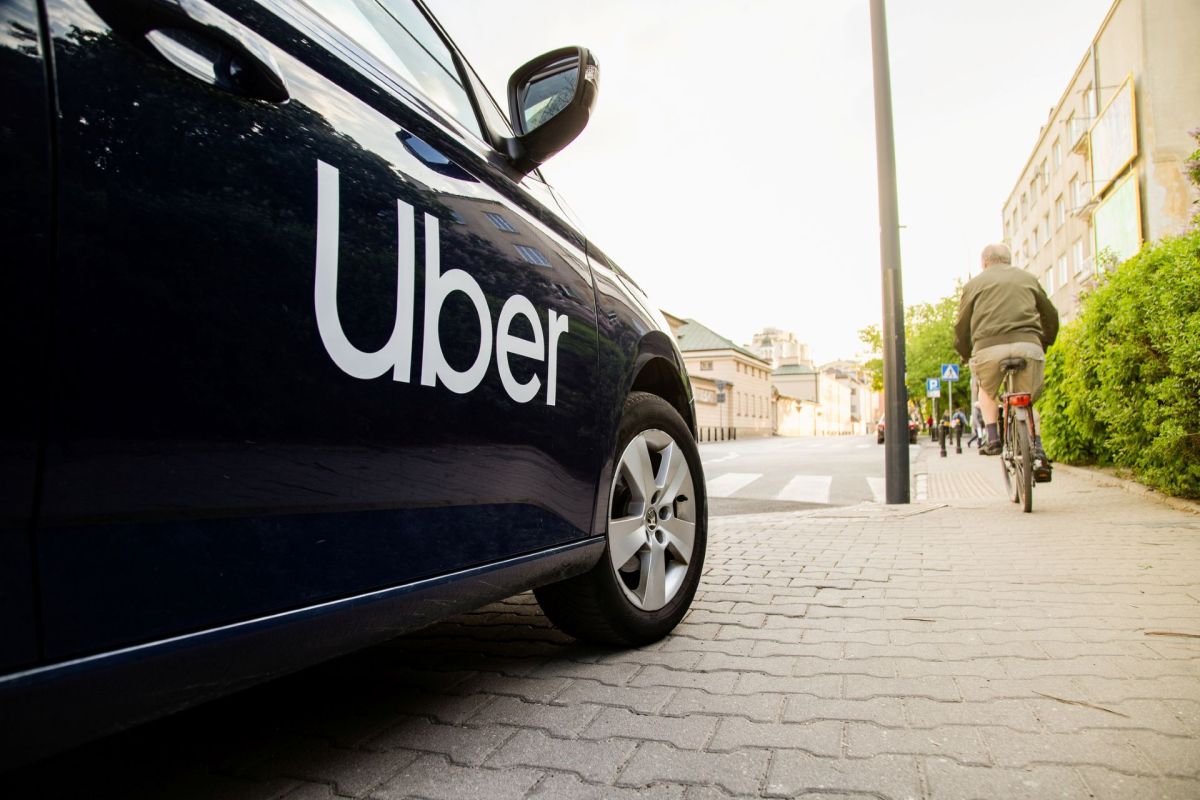
Uber is under fire from both drivers and activists after rolling back monthly bonuses that incentivized the movement to electric vehicles.
What's happening?
The ride-hailing company recently rolled back the incentives that had been pivotal in encouraging drivers to switch to cleaner vehicles, per Bloomberg. Levi Spires, a driver from Syracuse, revealed the promotion had netted him around $3,500 in less than two years.
He and other drivers are disillusioned by the change that previously served as a way to cover the costs of paying a higher upfront price for an EV — though EVs at least carry significant annual savings over gas-powered cars through cheaper fueling and lower maintenance, such as no oil changes.
"My goal is for Uber to not be my main profession anymore," Spires said.
It is true that Uber still promotes EV usage through other means, such as discounts on new vehicles and charging costs. A newly announced $4,000 bonus to switch from gas cars covers only a subset of states and a maximum of 2,500 drivers.
The company, meanwhile, is trying to incentivize EV adoption through customer choice. What was once Uber Green and is now Uber Electric is a feature that allows customers with a preference for EVs to hail a ride from one.
Perk up the winter blues with natural, hemp-derived gummies Camino's hemp-derived gummies naturally support balance and recovery without disrupting your routine, so you can enjoy reliable, consistent dosing without guesswork or habit-forming ingredients. Flavors like sparkling pear for social events and tropical-burst for recovery deliver a sophisticated, elevated taste experience — and orchard peach for balance offers everyday support for managing stress while staying clear-headed and elevated.
Learn more → |

"It creates demand," claimed Uber executive Rebecca Tinucci. "That means extra rides that our EV drivers get."
Whether that happens at a meaningful level in practice is unclear.
Why is Uber's pullback of EV incentives important?
Bloomberg pointed out that in the last three years, Uber's pollution has nearly doubled, according to internal documents. That has occurred as the company has made bold climate pledges like going 100% EVs by the end of the decade.
This move confirms that the company isn't going to come close to those goals, and while the intention may have been genuine at the time of the declaration, giving itself the ability to back out can be considered a form of greenwashing — in that the commitment was never fully sincere beyond any marketing value it may have had.
TCD Picks » Upway Spotlight
💡Upway makes it easy to find discounts of up to 60% on premium e-bike brands




|
Would you still consider buying an EV if there weren't tax incentives for doing so?
Click your choice to see results and speak your mind. |
 Definitely 👍
 The more companies that don't live up to their climate pledges on pollution, the more daunting trends like record-setting temperatures and extreme weather will be.
Uber's support of the Big Beautiful Bill also drew fierce criticism. The bill took away many incentives for buying EVs, but for Uber it came with separate benefits.
One might've been altruistic in the partial no-tax-on-tips measure that could help drivers. Critics identified the bill's business-friendly tax cuts as the real driver behind their support, though.
"When they had a chance to get a big tax break and screw over the climate, they showed us who they really are," said Holly Burke, vice president of communications at climate advocacy nonprofit Evergreen Action.
It's worth noting, though, that Uber has partnered with one of America's leading EV-only automakers, Lucid, to develop its own autonomous ride-hailing platform to compete with Google parent Alphabet's Waymo and Tesla's Robotaxi services.
As that endeavor plays out with Lucid, Uber may be able to make a big leap in its percentage of electric rides, though it could still be paying its promised incentives to drivers in the meantime.
What's being done about Uber's about-face?
For drivers, there's not much they can do if the EV bonuses were making an important difference on their bottom line. Switching over to Lyft, likewise, isn't a perfect fix for users. Bloomberg recently revealed that Uber's top rival similarly withdrew its pledge to go all-electric by 2030.
Customers can still play a small part in a low-effort way by seeking out Uber Electric when hailing rides to support drivers of EVs. Better yet, exploring public transit options is a more planet-friendly way to get places.
Shareholders and users can also make their voice heard by expressing their disillusionment with Uber's broken promises, and their moves that hurt EV drivers.

Get TCD's free newsletters for easy tips to save more, waste less, and make smarter choices — and earn up to $5,000 toward clean upgrades in TCD's exclusive Rewards Club.
Cool Picks





