


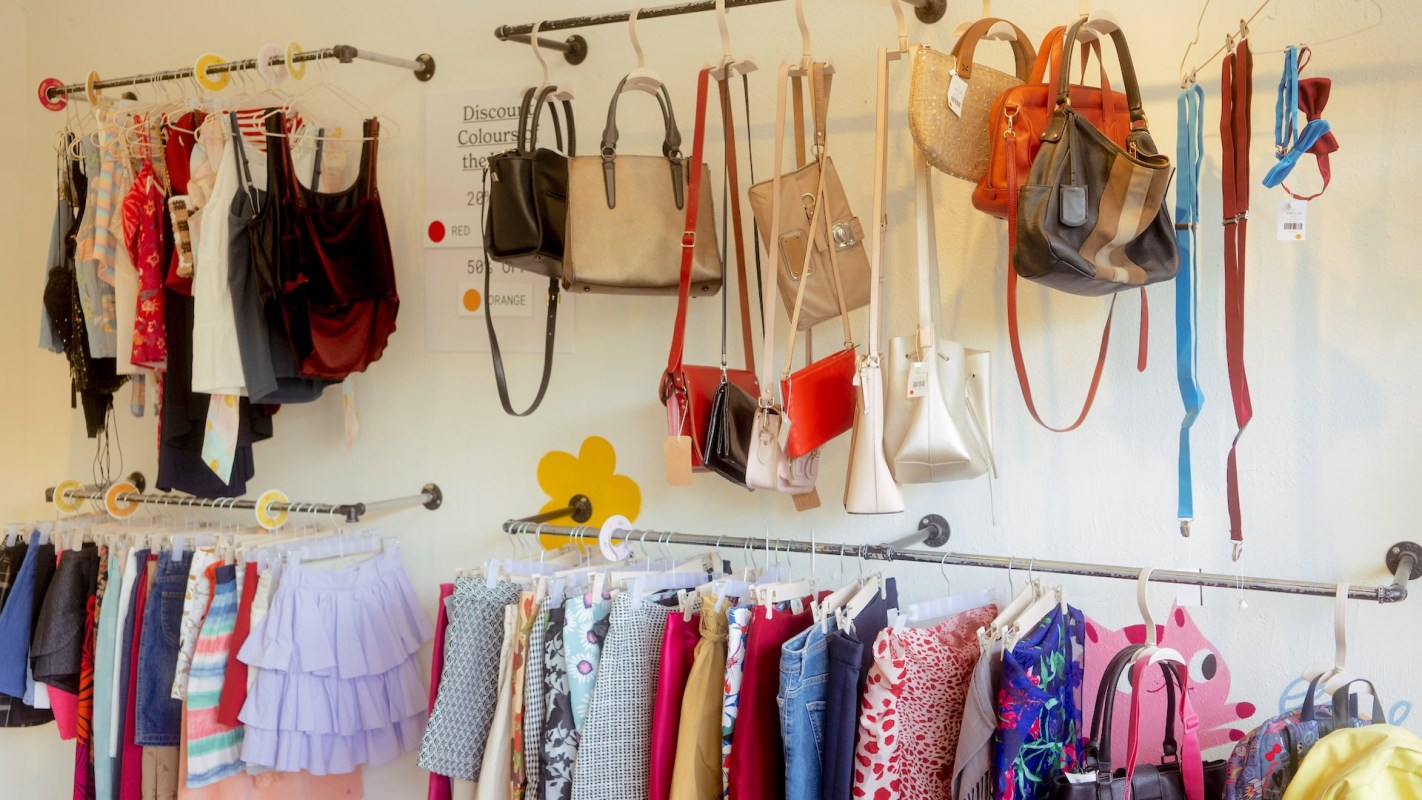
The retail landscape has changed significantly over the last 25 years. More shoppers are looking for their favorite brands at secondhand sellers such as eBay, ThredUp, and Depop.
Many brands are realizing that their margins are shrinking and they are losing customer relationships, and they are integrating Trove into their selling systems.
Trove allows brands to keep commerce in-house and maintain quality and pricing control over secondhand clothing. The platform handles grading, pricing, intake, and fulfillment, and all secondhand clothes are sold alongside the brand's new inventory.
This technology allows consumers to shop with the brand every time instead of searching for an alternate marketplace. Patagonia (Worn Wear), Michael Kors (Pre-Loved), and Canada Goose (Generations) have already integrated the platform.
"The consumer would prefer to buy a resale item from the brand that's essentially certifying it and condition-grading it," Trove CEO Terry Boyle told Josh Dorfman, CEO of Supercool and host of the podcast of the same name, Dorfman wrote for Fast Company. "They'll pay more for that."
By using Trove and keeping secondhand clothes in-house, brands maintain higher margins than traditional discounting sites, higher lifetime values, and lower acquisition costs.
This kind of secondhand integration is ideal for luxury and premium brands that value quality control. It protects the brand's equity while also reducing its carbon footprint. "That's why I call resale 'off-price with a better brand halo,'" Boyle added.
According to ThredUp, U.S. secondhand apparel sales were close to $50 billion in 2024. More than 60% of consumers shop secondhand, but as quality control can feel inconsistent, they would prefer to shop directly from the brands they trust.
While some may assume that secondhand shoppers do not want luxury, that is far from the truth. There are many shoppers who thrift just to find accessible prices on items like a vintage Coach bag and Hermès scarves.
The fashion industry uses an immense amount of resources, such as 3,000 liters of water for every cotton shirt; fast fashion brands utilize 8,000-plus synthetic chemicals during production, according to Remake.
TCD Picks » Quince Spotlight
💡These best-sellers from Quince deliver affordable, sustainable luxury for all




When consumers have more options to shop inexpensively and sustainably, it will naturally drive attention away from fast fashion and make a considerable environmental impact.
|
Which of these factors would most effectively motivate you to recycle old clothes and electronics?
Click your choice to see results and speak your mind. |
 Giving me money back 💰
Join our free newsletter for good news and useful tips, and don't miss this cool list of easy ways to help yourself while helping the planet.
Cool Picks






