


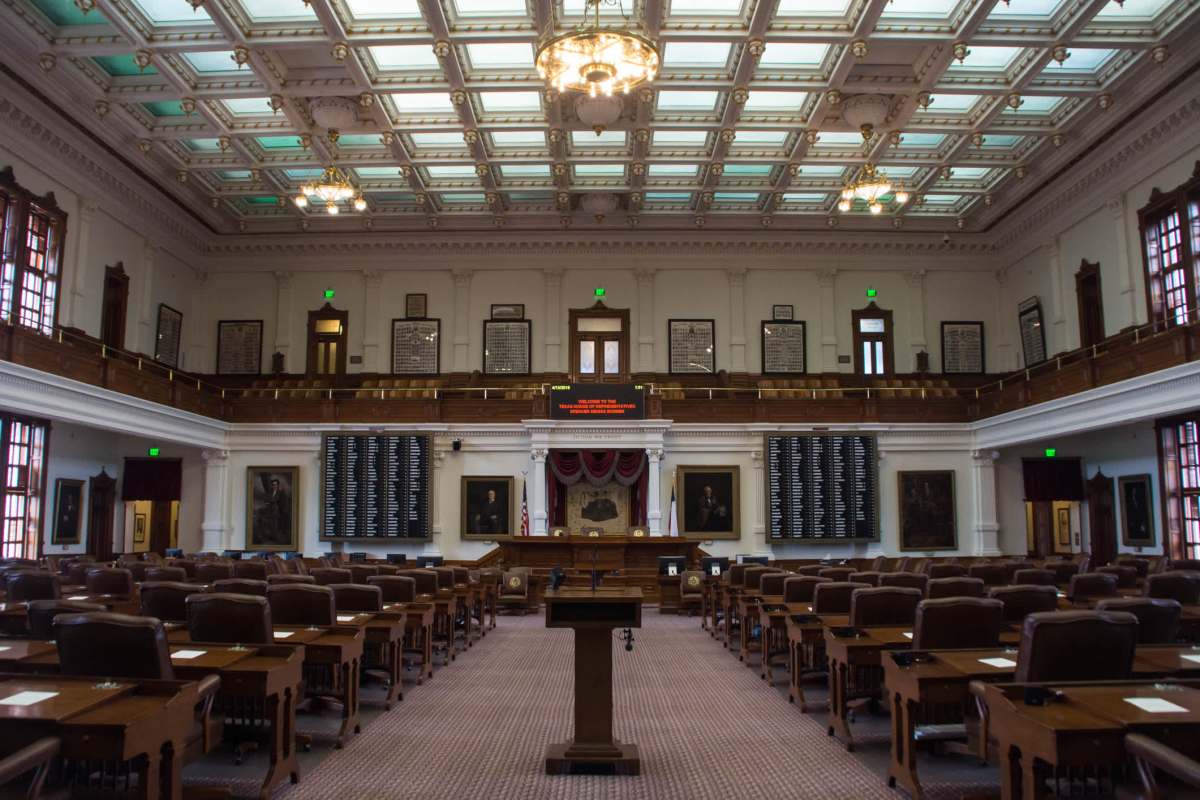
The death of three proposed bills in Texas means good news for the future of the state's renewable energy sector.
The Texas House of Representatives declined to act on the "anti-solar" bills, pv magazine USA reported. The legislation would have made solar and wind energy more expensive and guaranteed widespread use of dirty energy from fossil fuels.
"The failure of these three bills is a victory for ratepayers," Adrian Shelly, Texas director of nonprofit group Public Citizen, told pv magazine. "It is also a tacit recognition by a legislature that is too friendly to fossil fuels that renewable energy sources are an indispensable part of powering the state."
Senate Bill 388 would have required at least 50% of all new energy generation to come from sources other than renewable energy stored in batteries — essentially, dirty energy. SB 715 would have mandated that existing renewable energy sources have backup energy from another source.
SB 819, meanwhile, would have put more fees and regulations on new utility-scale solar energy and wind projects — restrictions that don't exist with other energy installations. Critics said these bills would have unnecessarily raised consumer rates and made the grid less versatile and reliable.
Each bill passed the Texas Senate, but none received a House committee vote before the necessary deadline, meaning the bills now all appear to be dead.
Perk up the winter blues with natural, hemp-derived gummies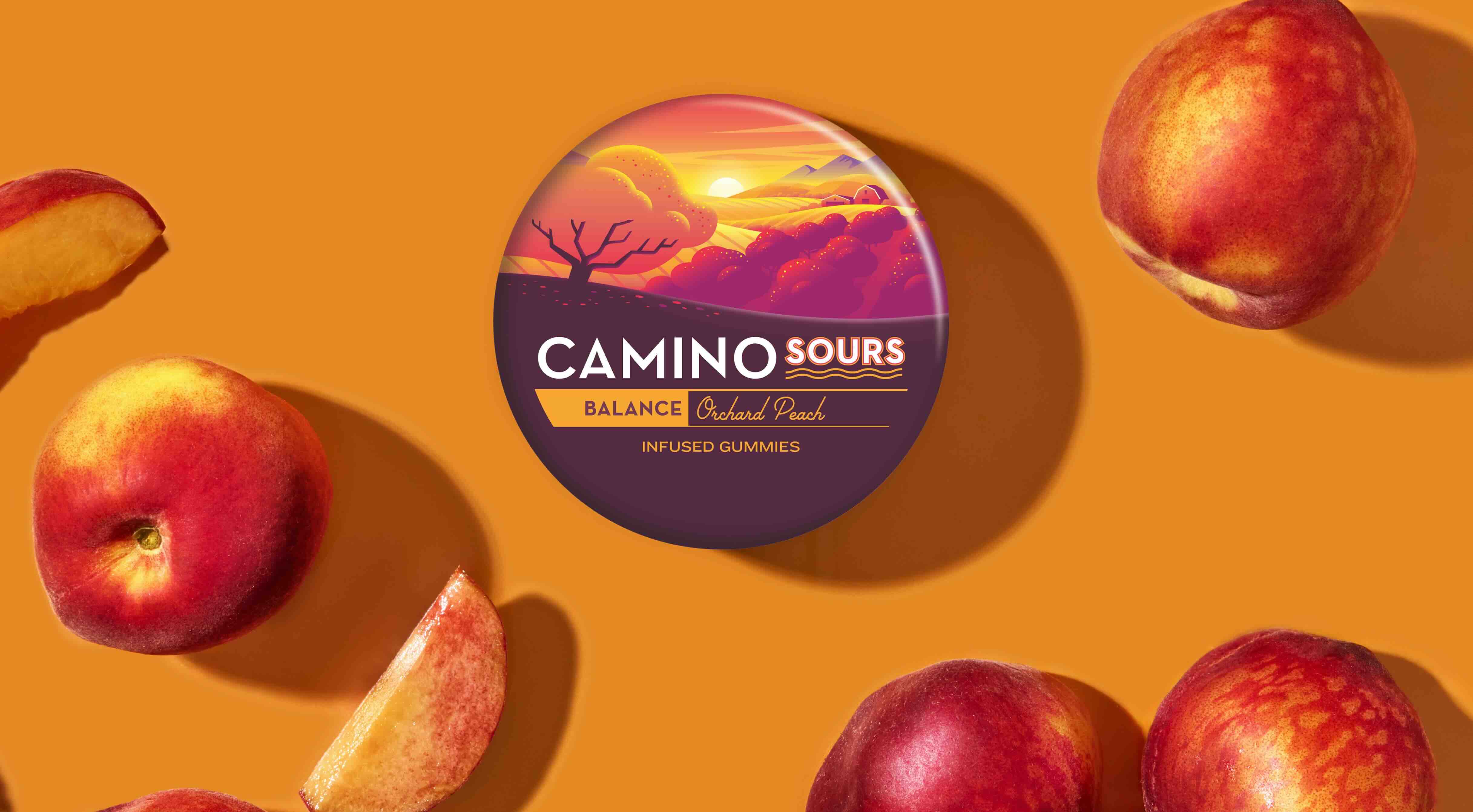 Camino's hemp-derived gummies naturally support balance and recovery without disrupting your routine, so you can enjoy reliable, consistent dosing without guesswork or habit-forming ingredients. Flavors like sparkling pear for social events and tropical-burst for recovery deliver a sophisticated, elevated taste experience — and orchard peach for balance offers everyday support for managing stress while staying clear-headed and elevated.
Learn more → |
Although Texas is largely synonymous with the oil industry, it has become a leader in the renewable energy space. It has the most solar, wind, and battery capacity of any state, and the Lone Star State actually has 80% more capacity than second-place California.
All of that renewable capacity paid off last summer, as the state dealt with a massive heat wave that sent energy usage to record highs. Despite that, more than a quarter of the needed energy came from solar power and storage, meaning the grid stayed stable, prices stayed low, and residents remained cool and safe.
That was a far cry from 2021, when the state's grid failed during a winter storm, causing lengthy outages and resulting in more than 200 deaths.
"The simple fact is Texas needs every resource on the grid to keep prices low for consumers and meet the demands of future population and business growth," Daniel Giese, Texas state director for the Solar Energy Industries Association, told pv magazine.
TCD Picks » Upway Spotlight
💡Upway makes it easy to find discounts of up to 60% on premium e-bike brands





|
Should the government be able to control how we heat our homes? Click your choice to see results and speak your mind. |
 Definitely 👍
Join our free newsletter for good news and useful tips, and don't miss this cool list of easy ways to help yourself while helping the planet.
Cool Picks





