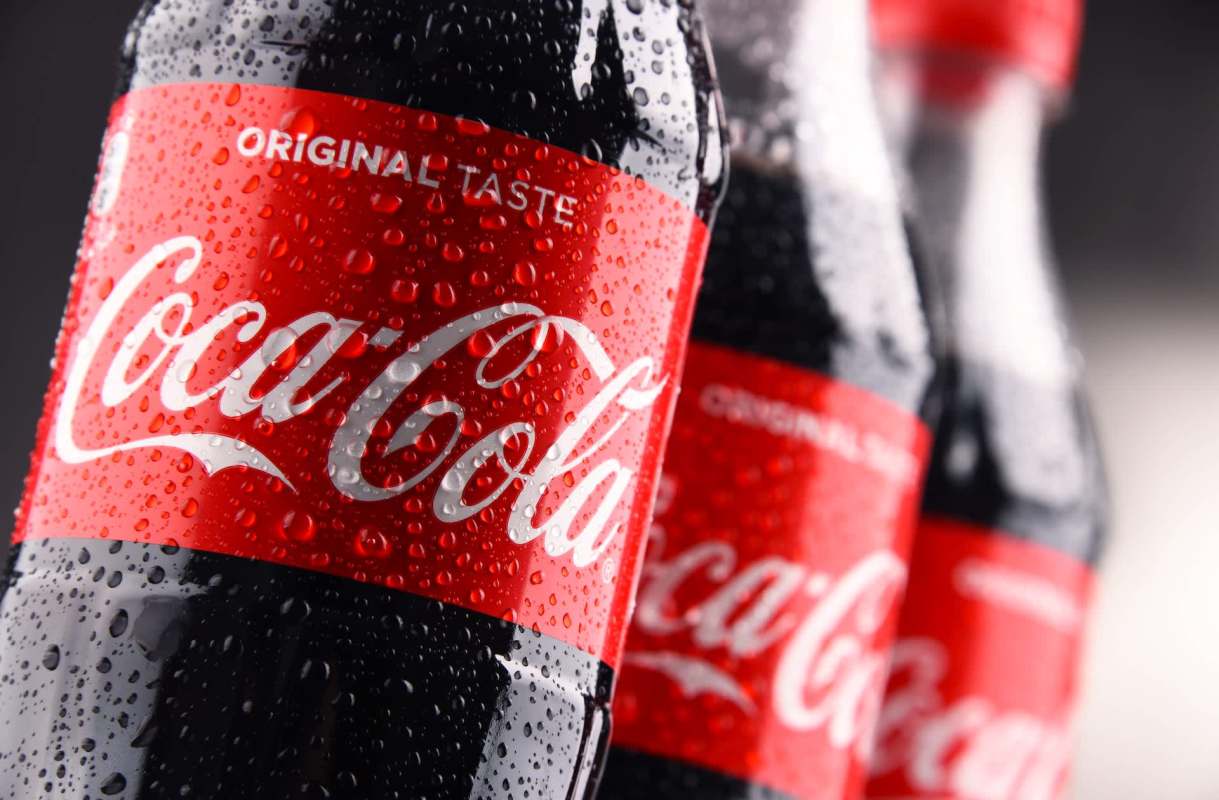
Coca-Cola's bottling partner in Hong Kong is making eco-friendly changes to its production efforts.
Swire Coca-Cola announced that it will be using locally sourced bottles made from recycled polyethylene terephthalate (rPET) — a strong, lightweight, and shatter-resistant plastic that is safe for food and beverages. The company is the first to take this initiative, using rPET bottles provided by the recycling facility New Life Plastics instead of importing from overseas.
A South China Morning Post article reported that Coca-Cola launched its recycled plastic bottles efforts in April 2024 and, as of this month, is only using locally sourced rPET for all 500-milliliter and 1.5-liter PET bottles in Hong Kong, according to Iris Lee, the brand's general manager for Hong Kong and Macau.
Samuel Chui Ho-kwong, director of environmental protection at the Environmental Protection Department, was quoted as saying: "These initiatives not only demonstrate corporate responsibility but also set a strong benchmark for the drinks industry in Hong Kong."
Hong Kong's government has been pushing for more sustainable practices to reduce plastic waste in landfills, going so far as to initiate legislation to hold producers accountable. Per SCMP, over 175,000 pounds of plastic drink bottles is tossed into the trash daily in Hong Kong.
Because New Life Plastics gets its product through communal recycling efforts, it has raised awareness about the obstacles to recycling. Per SCMP, the facility is processing fewer than 800,000 bottles per day, even though it can process up to 2 million.
Perk up the winter blues with natural, hemp-derived gummies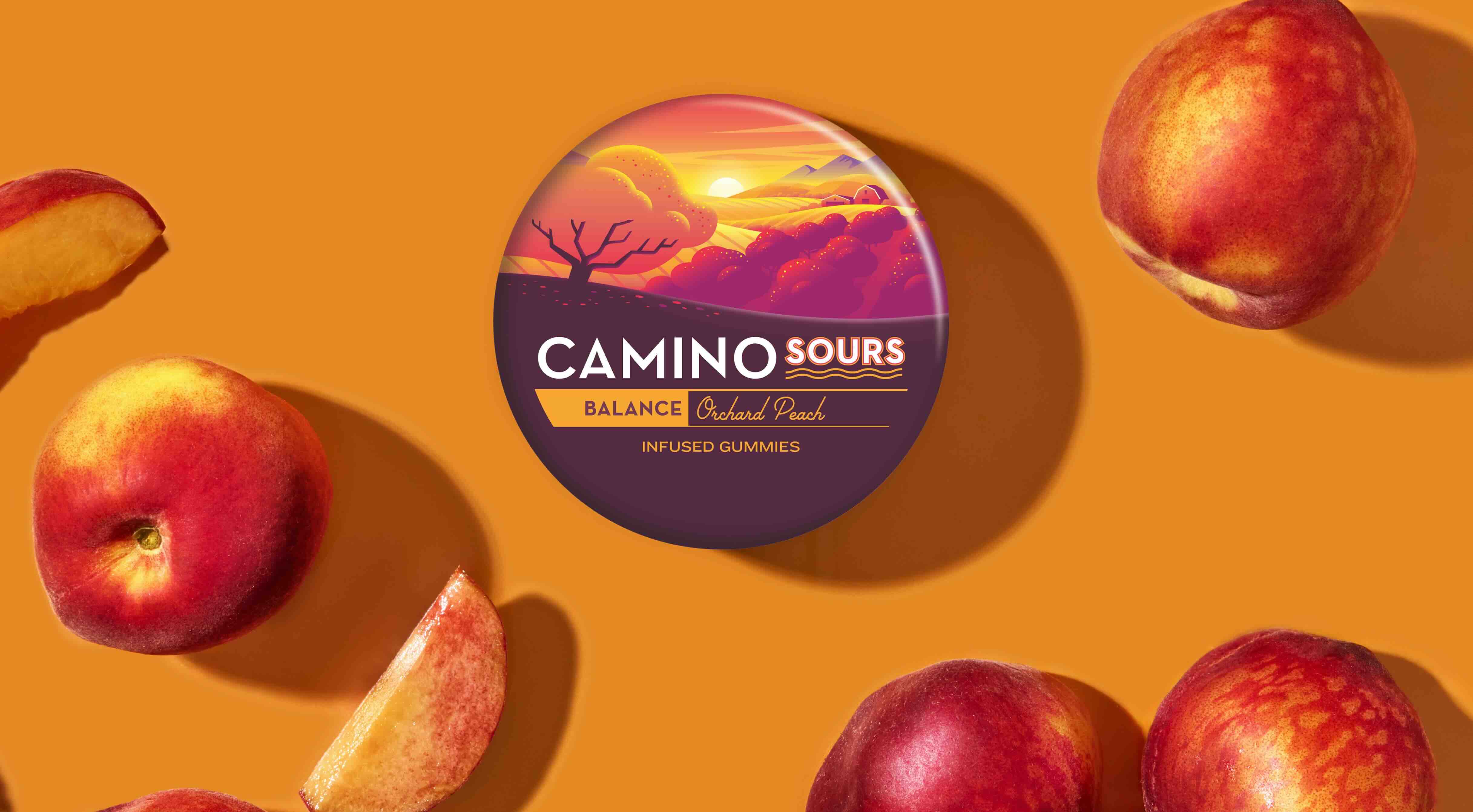 Camino's hemp-derived gummies naturally support balance and recovery without disrupting your routine, so you can enjoy reliable, consistent dosing without guesswork or habit-forming ingredients. Flavors like sparkling pear for social events and tropical-burst for recovery deliver a sophisticated, elevated taste experience — and orchard peach for balance offers everyday support for managing stress while staying clear-headed and elevated.
Learn more → |

With the growing concern surrounding the plastic bottle industry, these efforts are crucial. Reducing plastic in our landfills will minimize the amount of planet-warming gases, such as methane, that these wastelands emit.
While Coca-Cola is making eco-minded changes, like getting rid of its infamous six-pack rings, it still has a long way to go, considering it is the world's No. 1 plastic polluter.
SCMP made reference to a survey of 1,125 consumers, 80% of whom said sustainability efforts influenced their purchasing power — a great sign that circular brands are gaining popularity.
The Hong Kong government plans to take its efforts up a notch to reduce waste and promote recycling habits through public education, industry collaboration, and the development of infrastructure to steer markets.
TCD Picks » Upway Spotlight
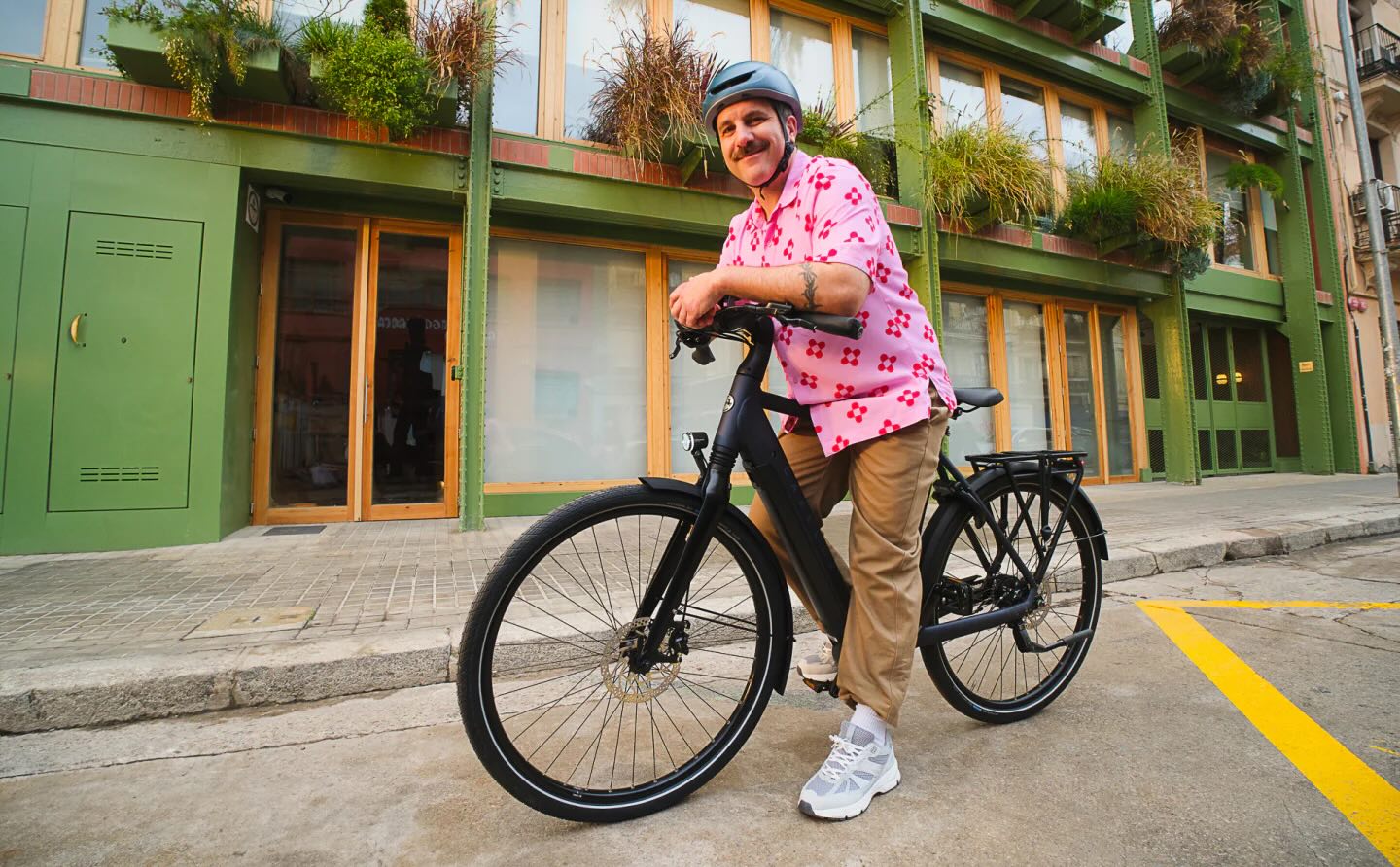
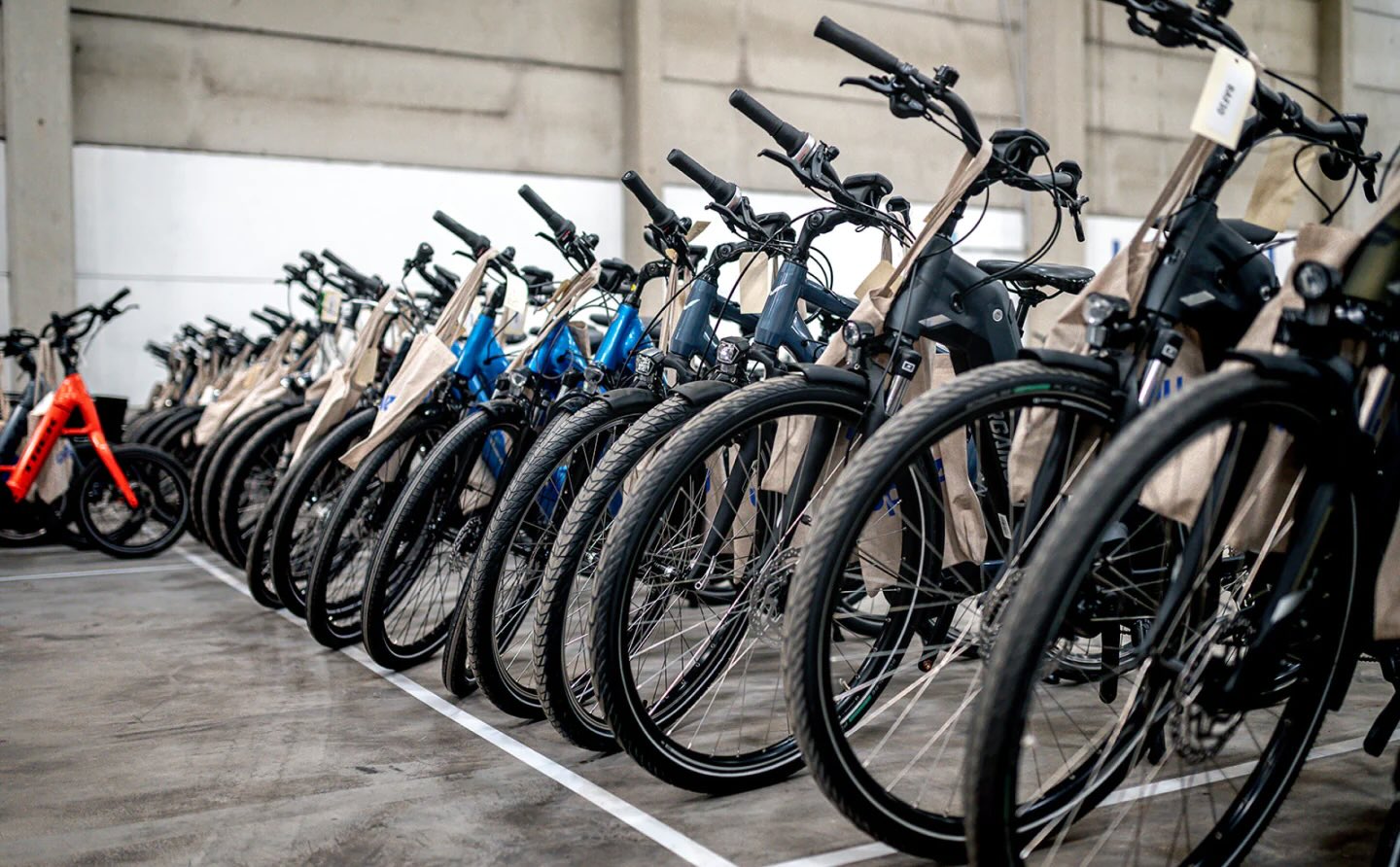
💡Upway makes it easy to find discounts of up to 60% on premium e-bike brands



|
Should companies be required to help recycle their own products?
Click your choice to see results and speak your mind. |
 Definitely 👍
💰Get TCD's free newsletters for easy tips to save more, waste less, and make smarter choices — and earn up to $5,000 toward clean upgrades in TCD's exclusive Rewards Club.
Cool Picks