


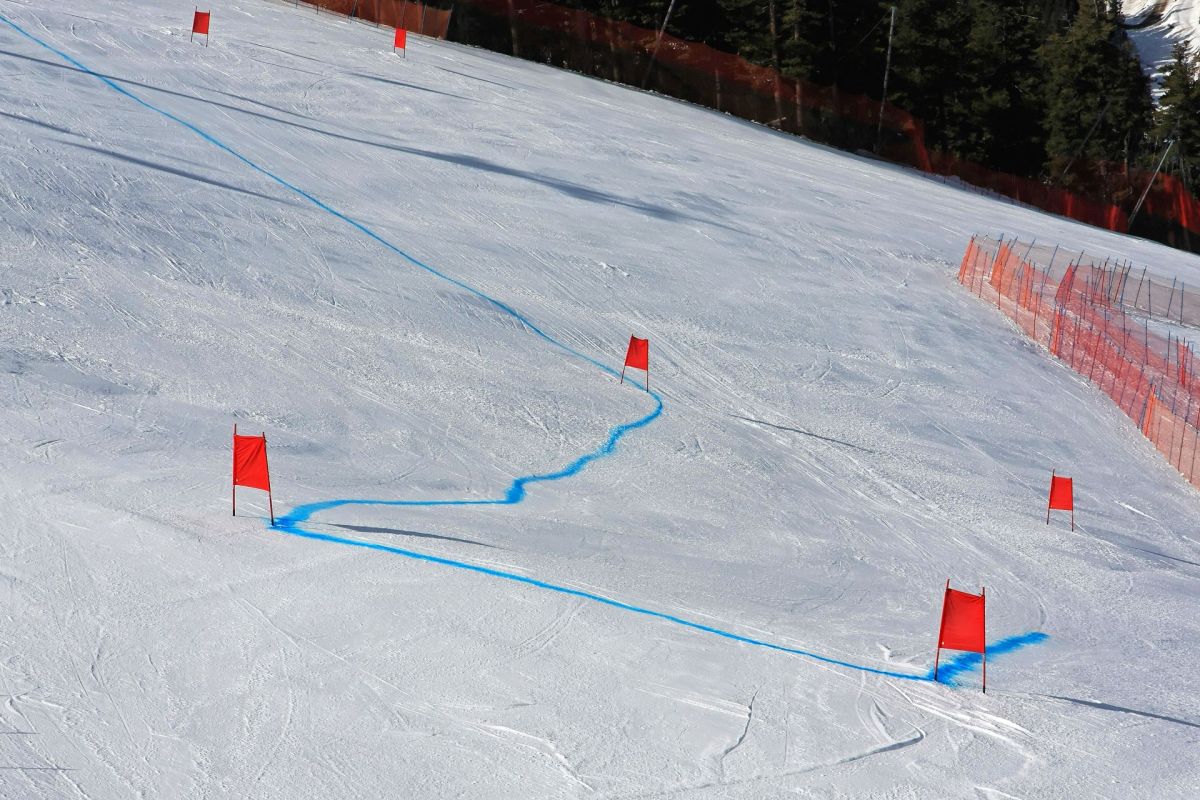
Sweden's biathlon season began in mid-November in Idre Fjäll, but unusually warm temperatures and a lack of snow forced organizers to overhaul the event at the last minute.
What's happening?
For more than a week leading up to the event, temperatures in Idre Fjäll stayed far above normal, melting snowpack and leaving organizers with little coverage to build a traditional course. The season opener took place on Nov. 15 and 16, with Sebastian Samuelsson and Hanna Öberg winning, but with a twist.
Instead of a short individual race and a sprint, athletes competed in two modified sprint races. Penalty loops were replaced with time penalties because there wasn't enough snow to construct the loop. Event officials said their goal was to keep the premiere in Idre Fjäll, even if it meant adjusting the format and relying on artificial snow.
Some athletes suggested moving the race to Östersund, one of the few Swedish venues still cold enough to maintain reliable winter conditions. But the Swedish Biathlon Association chose to stay, hosting top athletes from Sweden, Italy, Germany, Estonia, Ukraine, and Poland.
Why is this concerning?
While warm spells have always occurred, researchers say evidence shows that human-driven warming is making these disruptions more common, putting cold-weather sports and the communities that rely on them at increasing risk.
This intensifies extreme weather patterns and has turned rare disruptions into recurring challenges for winter sports, mountain towns, and the industries that depend on them. Less predictable snowfall can affect tourism revenue, reduce training opportunities for athletes, and destabilize local economies that rely on consistent winter seasons.
Similar incidents, like shrinking ski seasons, snow droughts, and warm-weather cancellations at competitions, show how widespread this issue has become. Warmer winters also create conditions that allow blood-carrying mosquitoes and ticks to survive and spread infections such as dengue fever, Zika, and Lyme disease.
What's being done about it?
Sports organizations across Europe are investing in improved snow storage systems, sometimes through the summer, and more energy-efficient snowmaking. Some resorts are beginning to experiment with renewable-powered snowmaking operations and courses that use less snow overall.
Individuals can support broader progress to help keep our planet cool by reducing reliance on planet-warming dirty energy, switching to electric at home and on the road, choosing renewable energy options, and supporting local climate policies that improve community preparation.
|
Do you think America does a good job of protecting its natural beauty? Click your choice to see results and speak your mind. |
 Definitely 👍
💰Get TCD's free newsletters for easy tips to save more, waste less, and make smarter choices — and earn up to $5,000 toward clean upgrades in TCD's exclusive Rewards Club.
TCD Picks » Quince Spotlight
💡These best-sellers from Quince deliver affordable, sustainable luxury for all




Cool Picks





