


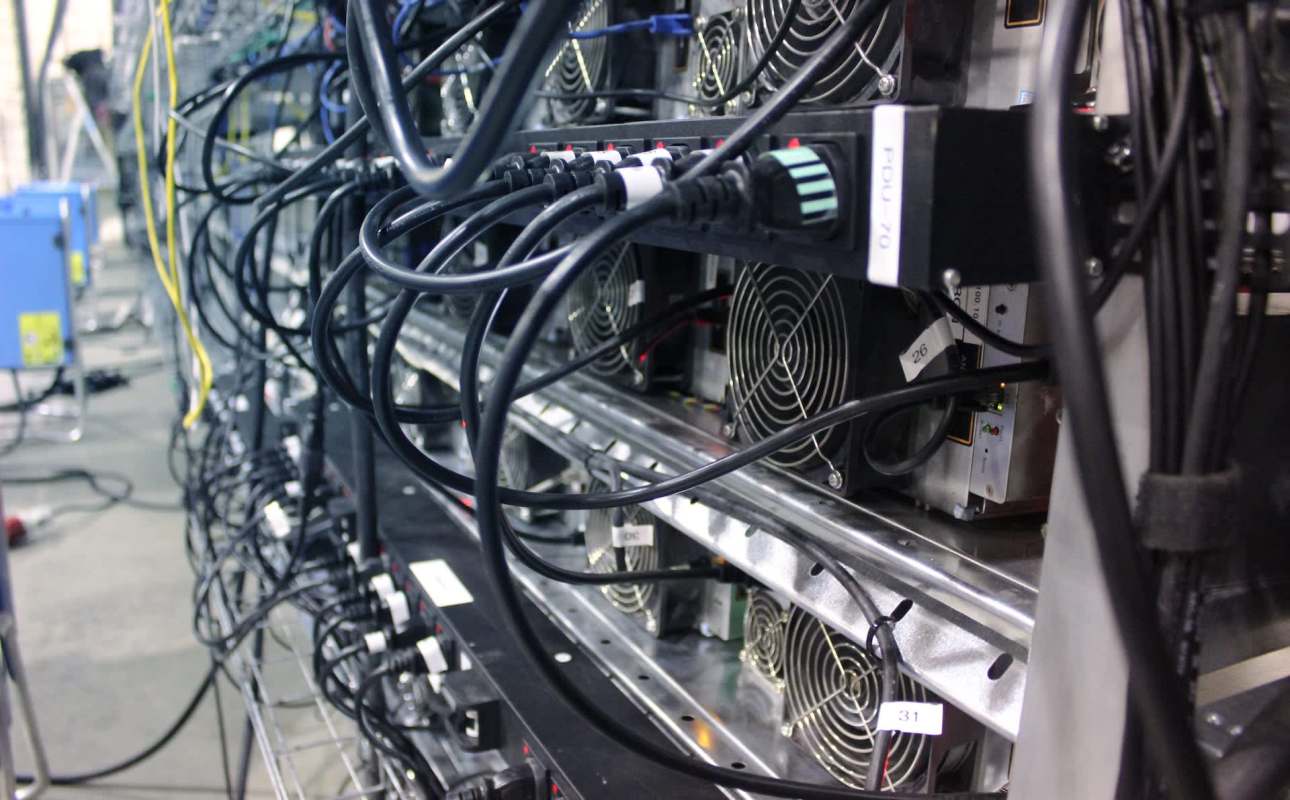
Bitcoin mining operations are increasingly looking to sustainable energy sources to support their growing energy needs, marking a positive trend for the industry, a Cryptorank report pointed out.
According to the University of Cambridge's Digital Mining Industry Report, the energy-intensive proof-of-work blockchain systems that bitcoin uses are powered by 52.4% sustainable energy sources, which is a significant increase from the sector's 37.6% in 2022.
Those sustainable sources include a combination of nuclear power (9.8%) and a mix of renewables such as hydropower, solar, and wind (42.6%).
Increasingly, high-tech operations are streamlining and pushing the boundaries of green technology, which helps drive both profitability and sustainability in the industry.
The article highlighted that, as a currency, bitcoin is resistant to manipulation since it's not owned by any single entity, but this freedom requires real-world resources to power.
Since operations are flexible and location-agnostic in nature, miners have increasingly gravitated toward areas with cheap renewable energy resources, which the report points out are often in underutilized and isolated areas.
North America is home to 75.4% of the world's bitcoin mining activity, and while many may be leaning toward sustainable sources, some have chosen to use up leftover resources from old, dirty fuel facilities.
In Pennsylvania, a bitcoin operation extracted what energy it could from an old natural gas facility, while ignoring necessary permits and eventually abandoning the site without notice.
Stronghold Digital Mining acquired an old coal plant in the same state and repeatedly failed to take stewardship of coal ash waste at the location until finally being pressed to expedite the cleanup.
|
Do you worry about the quality of the air inside your home?
Click your choice to see results and speak your mind. |
 Yes — often 😬
 Operations that act in good faith can actually co-exist with local communities and curtail energy use in times of peak demand (and cost). This lightens the load on the grid, while also saving the companies money on inflated energy costs.
TCD Picks » Quince Spotlight
💡These best-sellers from Quince deliver affordable, sustainable luxury for all




When there's an excess of energy from renewable sources that isn't paired with a battery energy storage solution, bitcoin operations are more than happy to ensure that it doesn't go to waste.
Some digital currencies outside of bitcoin are already upgrading their processes to use a proof-of-stake system, which dramatically reduces energy consumption.
Still, the cryptocurrency industry is largely unregulated and primarily works as a money-making operation, whereas AI-driven data centers at least provide a service.
"We need to think about the social value of Bitcoin," said Scott Delaney, a Harvard researcher, in an IEEE Spectrum report.
"Not all data centers have the same social value, and we might be less willing to tolerate air pollution from some types of data centers in the future. The social value of Bitcoin is currently up for debate, whereas cloud data centers have already shown their worth."

Join our free newsletter for good news and useful tips, and don't miss this cool list of easy ways to help yourself while helping the planet.
Cool Picks





