


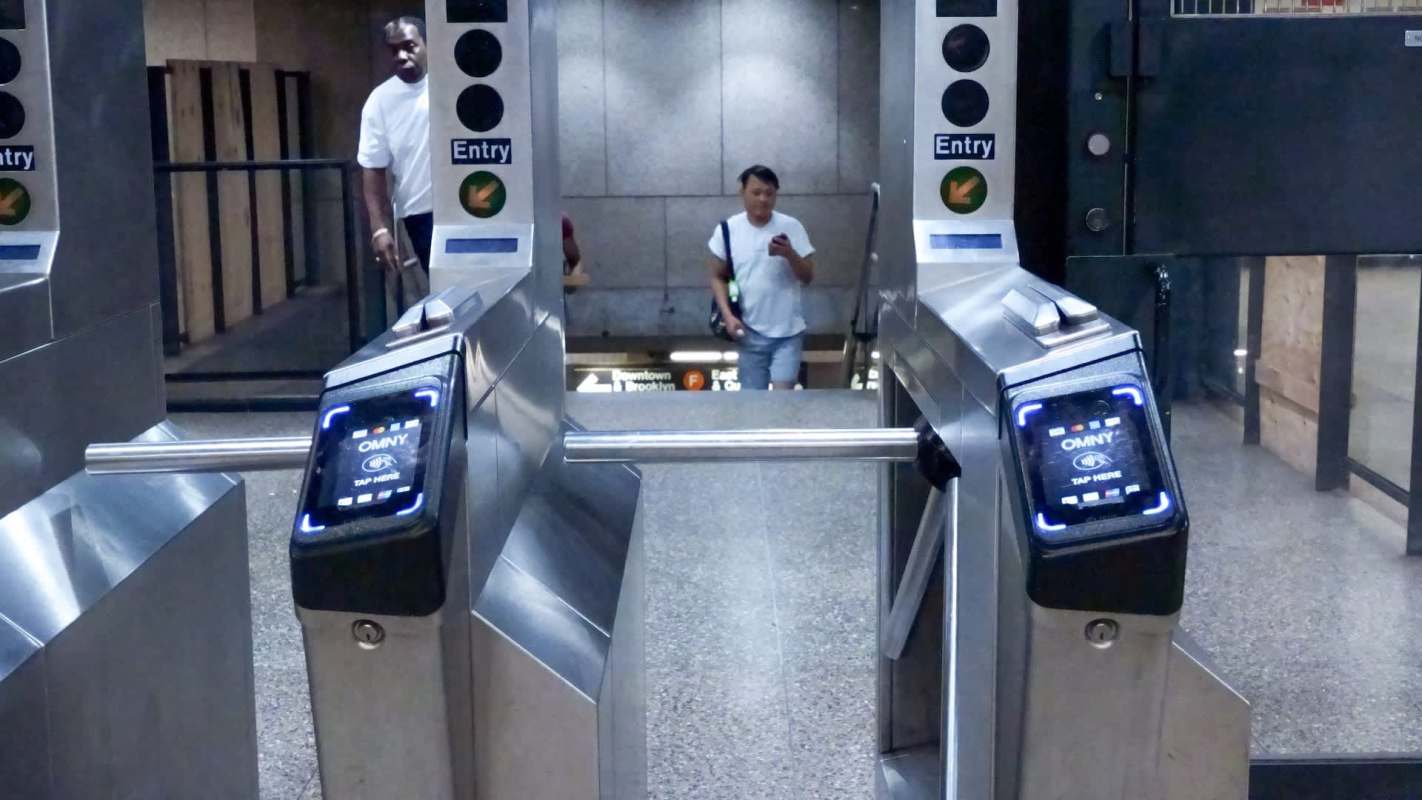
As 2026 kicked off, many New York City residents enthusiastically welcomed new Mayor Zohran Mamdani — but as Gothamist reported, they were less thrilled about a subway fare hike.
On Sunday, the cost for a trip on NYC's subway rose from $2.90 to $3.00, an increase the city's Metropolitan Transportation Authority announced Sept. 30, prior to Mamdani's election and inauguration.
In contrast with other major American cities like Los Angeles, New Yorkers rely heavily on the five boroughs' robust public transit system, with the subway at its heart.
Despite its flaws and the city's notoriously aging and flood-prone infrastructure, the subway ferried nearly 5.5 million people on average each day in 2019. Those figures predictably fell during and after the COVID-19 pandemic, with ridership averaging a still-significant 3.7 million in 2024.
Gothamist spoke to straphangers — an obsolete colloquialism referring to the cars' former leather stability straps — about the latest 10-cent fare increase. In Crown Heights, longtime rider Tom Nimen talked to the outlet about the hike.
Nimen said he has lived in the city for five decades and described subway service as "lackluster at best." He worried about cash-strapped riders and recalled having been priced out himself.
"There were times I could not afford [a higher fare]. There were times I used to choose between food and a subway fare. I'm not in that situation anymore, but others are," Nimen remarked.
Gothamist noted that Gov. Kathy Hochul had just released data indicating that trains arrived on time at a rate 2.1% to 2.5% higher in 2025 than in 2024. It noted that the increases were applied incrementally rather than all at once to soften the impact.
Ridership is beginning to recover after cratering in 2020, meaning more fares are being paid and more revenue is being collected for the MTA. But inflation and rising operational costs have taken a toll, driving up prices for New Yorkers.
Other highly trafficked MTA services saw greater hikes, with express buses rising to $7.25 from $7, Long Island Rail Road and Metro-North trains up 4.5%, and car tolls up 7.5%. In that respect, public transportation remained the least costly option for many commuters.
TCD Picks » Quince Spotlight
💡These best-sellers from Quince deliver affordable, sustainable luxury for all




|
Would having access to a high-speed train change how often you use public transit? Click your choice to see results and speak your mind. |
 Absolutely 💯
 Mayor Mamdani, whose campaign was predicated in large part on affordability and the introduction of free buses, acknowledged that ridership costs were burdensome.
"When the fare was $2.90, one in five New Yorkers were being priced out of it. We know that for so many New Yorkers, public transit is increasingly becoming out of reach," Mamdani said, per Gothamist.

Get TCD's free newsletters for easy tips to save more, waste less, and make smarter choices — and earn up to $5,000 toward clean upgrades in TCD's exclusive Rewards Club.
Cool Picks





