


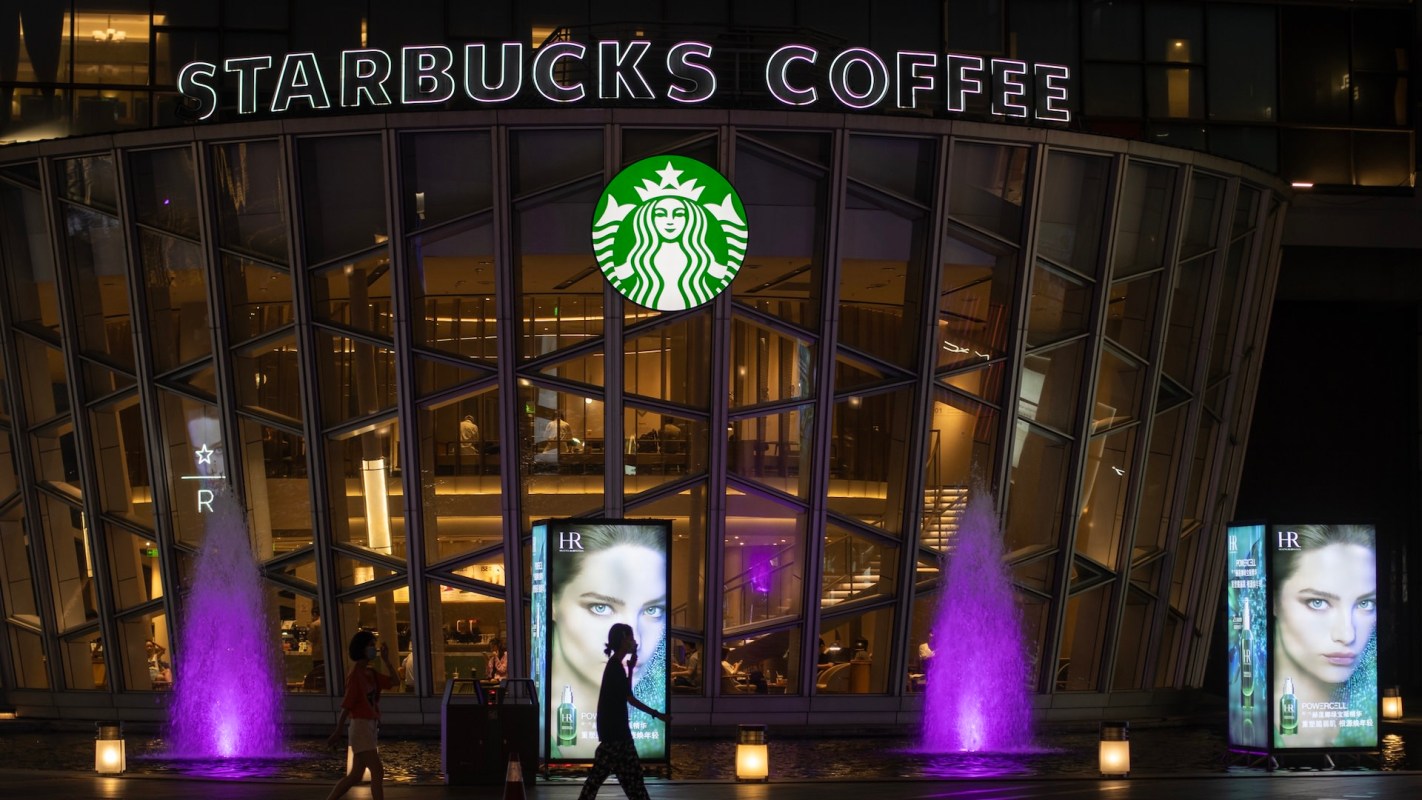
Starbucks has said that its tea and coffee are 100% ethically sourced, but a lawsuit has called this into question.
What's happening?
A District of Columbia Superior Court judge denied Starbucks' motion to dismiss a case against it by the National Consumers League.
As Sally Greenberg, the CEO of the NCL, told Consumer Affairs, "This decision is a major step forward."
The lawsuit hopes to tackle the corporation's greenwashing. The NCL claims that Starbucks deceptively markets its products as 100% ethically sourced.
According to the lawsuit, Starbucks sources tea leaves and coffee beans from farms and co-operatives that have "committed documented, severe human rights and labor abuses, including … child labor and forced labor."
Now, the case can go forward, and the NCL is one step closer to bringing an end to the "unfair and deceptive trade practice" alleged in its lawsuit.
Why is this lawsuit important?
Many consumers are looking for more ethical options to buy, and big corporations know that there is money to be made in offering cleaner and guilt-free choices.
However, genuinely sourcing products ethically is difficult, and companies often opt to market something as a sustainable choice rather than actually offering one.
Greenwashing — or using misleading tactics to imply a product is greener than it is — is rampant in marketing, and every lawsuit that tackles this issue is a step toward more transparency from big brands.
What's being done about greenwashing?
Thankfully, a lot of people and organizations are getting wise to greenwashing tactics and are calling out huge corporations for their misleading marketing.
TCD Picks » Quince Spotlight
💡These best-sellers from Quince deliver affordable, sustainable luxury for all




|
Should companies be required to help recycle their own products?
Click your choice to see results and speak your mind. |
 Definitely 👍
 The European Union has said that it is committed to eliminating greenwashing, and hopefully this sets a precedent for the U.S. to do the same.
If successful, the lawsuit against Starbucks could embolden other organizations to take a stand against greenwashing by major corporations.
While Starbucks has implemented some sustainable initiatives, such as offering free coffee refills if a customer uses a ceramic mug as opposed to single-use cups, it has a long way to go to become truly ethical.
It was discovered that most of the plastic cups Starbucks claimed to recycle actually ended up in landfills, and the CEO was called out for regularly commuting 2,000 miles on his private jet.
Choosing to shop at small businesses rather than purchasing from big chain stores is one way you can rally against greenwashing in your own life, while also supporting your community and local economy.

Join our free newsletter for good news and useful tips, and don't miss this cool list of easy ways to help yourself while helping the planet.
Cool Picks




