


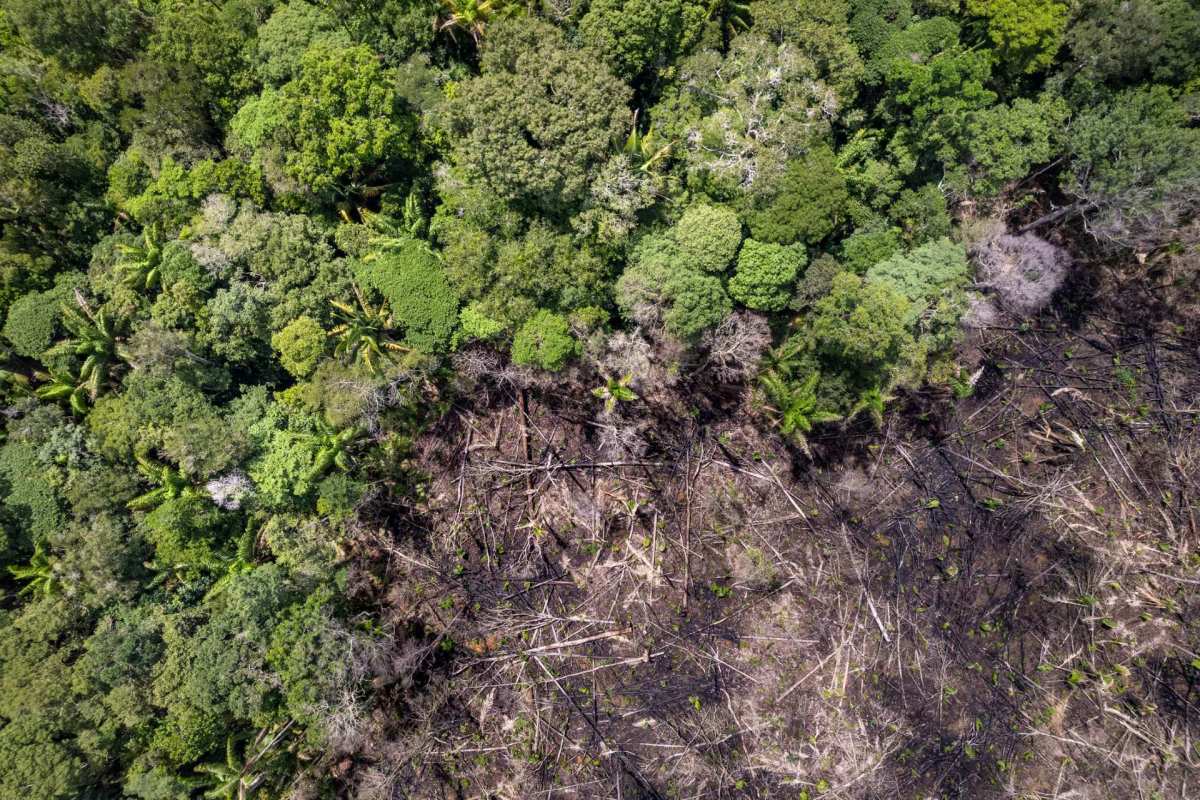
The state of Brazil's Amazon rainforest appears to have little to do with farmers in the Midwest. However, scientists warn a shake-up in the soy industry could have ramifications closer to home.
What's happening?
According to the Associated Press, Brazil's largest soy producers have adhered to a pledge known as the "soy moratorium" for decades. The pact assured buyers that soy harvests weren't grown on rainforest-cleared land.
On Jan. 5, the Brazilian Association of Vegetable Oil Industries said it would no longer participate in the moratorium. While soy producers have long taken issue with the agreement, saying it hurts business, their involvement was voluntary. The announcement came after the state of Mato Grosso sunsetted tax benefits for companies participating in the agreement.
"If they withdrew from the pact, then a marriage with only one husband or only one wife is no longer a marriage, right?" André Lima, the Ministry of the Environment's secretary for deforestation control and land‑use planning, told the AP.
"I understand that, as of now, the moratorium has come to an end."
Why is this important?
Brazil produces around 40% of soy crops globally, making soy a lucrative part of the country's economic engine. However, the expanding industry has contributed to deforestation, diminishing the Amazon rainforest's ability to regulate global temperatures.
Rainforest degradation is far from the only human-induced factor driving Earth's climate change. For instance, recently unearthed documents show that oil and gas companies have known about their industry's effects since at least 1954. Today, many are vocal supporters of an energy transition while doing little to meaningfully move the needle toward cleaner sources.
Still, with the Amazon rainforest sequestering billions of tons of carbon pollution, its health is closely linked with the health of the planet, our economies, and food supply. Three-quarters of farmers reported in the latest Bayer Farmer Voice survey that "climate change already has a large impact" on their businesses — and they say they are worried about further disruptions.
What's being done about this?
In a statement to the AP, the Brazilian Association of Vegetable Oil Industries acknowledged the "undeniable legacy" of the pledge and said its soy producers would adhere to Brazil's environmental regulations.
"Each organization will individually meet the strict demands of global markets while also relying on Brazilian authorities for the full implementation of a new regulatory framework to ensure that Brazil's international commitments are upheld," the association said.
TCD Picks » Quince Spotlight
💡These best-sellers from Quince deliver affordable, sustainable luxury for all




Yet environmental groups said they fear the withdrawal will set back years of work to slow deforestation rates. The nonprofit Amazon Environmental Research Institute estimated that the pact's dissolution could increase deforestation by 30% by 2045.
|
Should the U.S. invest more in wind power?
Click your choice to see results and speak your mind. |
 Absolutely 💯
Get TCD's free newsletters for easy tips to save more, waste less, and make smarter choices — and earn up to $5,000 toward clean upgrades in TCD's exclusive Rewards Club.
Cool Picks





