


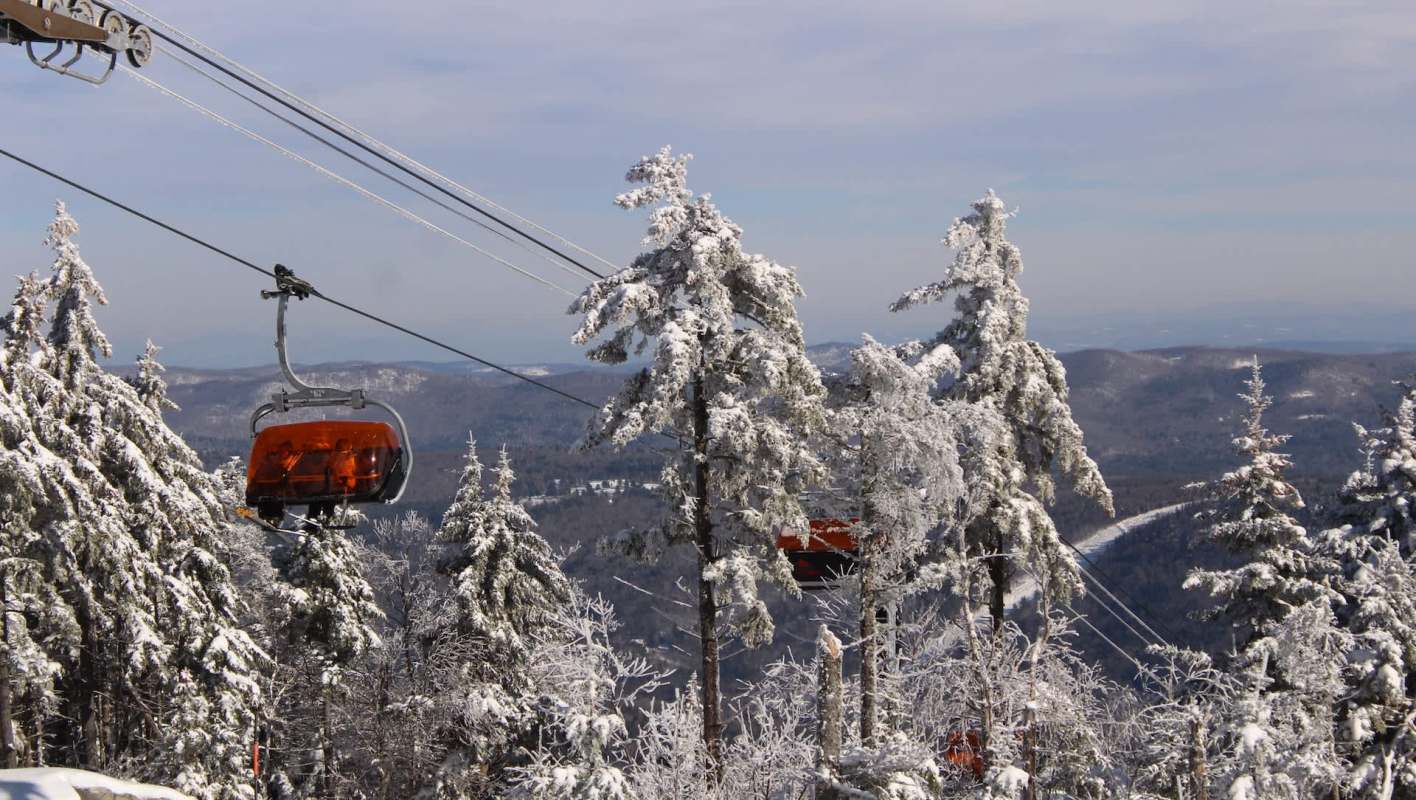
A snow drought is tightening its grip on the western United States, and the impact goes beyond reduced outdoor recreation opportunities.
What's happening?
Instead of getting a taste of Jack Frost this winter, ski resorts and other weather-dependent businesses are experiencing the effects of rising temperatures, the Associated Press reported.
The traditional Thanksgiving weekend start of ski season was delayed across a wide swath of the West, and some popular destinations still are struggling.
In the Northeast and Midwest, on the other hand, unusually large amounts of snow have created perfect conditions for skiers and snowboarders. This highlights how the changing climate is not only creating warmer weather but also shifting patterns and creating unpredictability.
"Mother Nature has been dealing a really hard deck," Kevin Cooper, president of a California ski racing organization near Lake Tahoe, told the AP.
Why is this important?
The Associated Press stated that "snow is crucial" in the region, and tourism isn't the only thing at risk. Millions of residents, farmers, and ranchers rely on snowpack for drinking water and for insulating and irrigating crops.
While the season has just begun, the lack of snowfall is concerning because higher temperatures mean precipitation falls as rain. Unlike snow, rain doesn't build up but runs off when the ground is saturated, which could leave locales short in spring if storms don't make up the difference. The consequences of a snow drought include increased wildfire risk.
Midway Ice Castles in the Salt Lake City area has been unable to open because it's too warm, and horse-drawn sleigh rides have become wheeled wagon-based at Bearcat Stables in Colorado's Rocky Mountains. The AP added that November temperatures in Oregon and Idaho were 6-8.5 degrees higher than usual, setting records.
Across the Northern Hemisphere, hundreds of millions of people are threatened by snowpack loss.
What's being done about the lack of snow?
These changes are hurting and even closing ski resorts, a visible symbol of the larger problems at hand. Rapidly rising global temperatures are caused by the burning of coal, gas, and other fossil fuels, which is why industries and individuals are working to eliminate their carbon pollution.
TCD Picks » Quince Spotlight
💡These best-sellers from Quince deliver affordable, sustainable luxury for all




|
Do you think America does a good job of protecting its natural beauty? Click your choice to see results and speak your mind. |
 Definitely 👍
 Otherwise, researchers predict the Northeast and Southwest will be without spring snow by 2100. The West could face a similar "snowless future" and subsequent water crisis.
Energy-efficient home upgrades are a good place to start on reducing your pollution footprint, and they'll save you money, too. You can also vacation responsibly and choose clean modes of transportation.

Get TCD's free newsletters for easy tips to save more, waste less, and make smarter choices — and earn up to $5,000 toward clean upgrades in TCD's exclusive Rewards Club.
Cool Picks





