


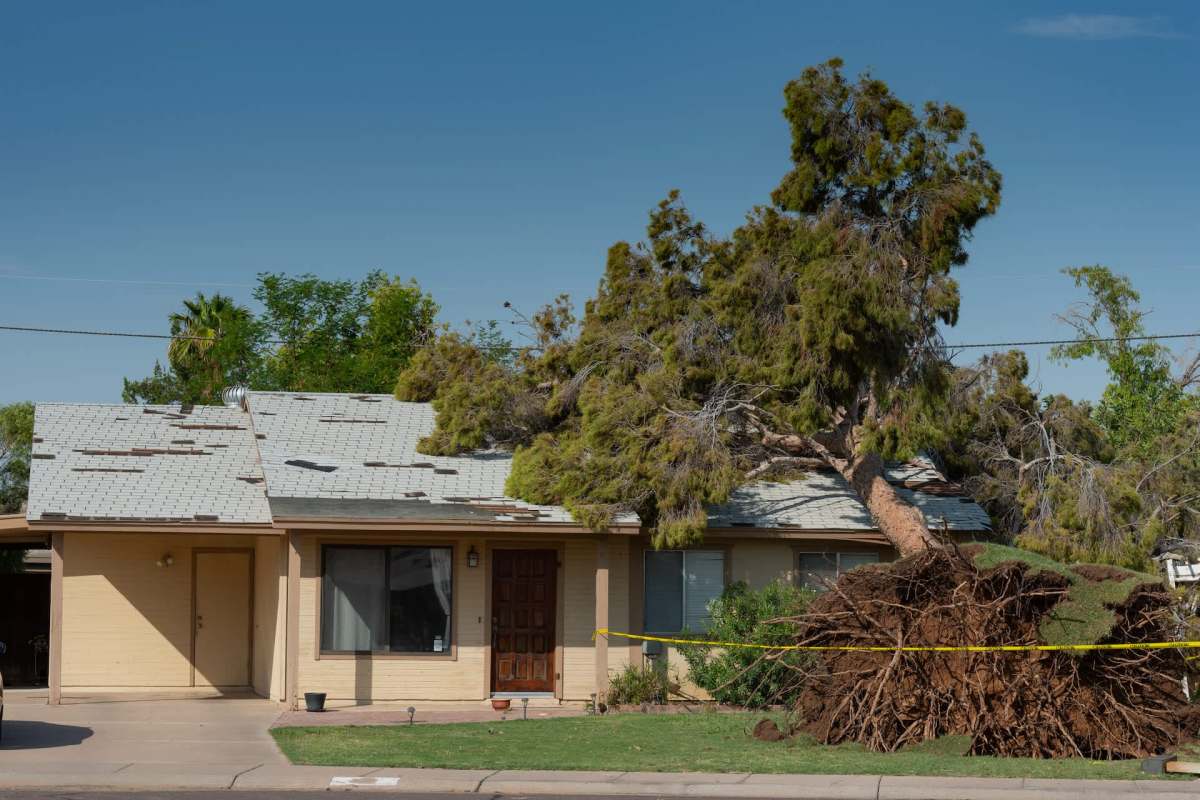
LendingTree's 2025 state of home insurance report has revealed a troubling trend: Home insurance rates have cumulatively skyrocketed by 40.4% across the United States over the last six years, with premiums increasing at a more rapid pace from 2022 to 2024.
What's happening?
LendingTree analyzed home insurance data from Quadrant Information Services and discovered that no state experienced a home insurance rate increase lower than 12% from 2019 to 2024. Nearly half of all states pay more for insurance than the national average.
"It's a pain that people are feeling everywhere in the country, including Georgia," LendingTree insurance expert Rob Bhatt told The Atlanta Journal-Constitution.
On average, a homeowner in the Peach State pays $2,869 for insurance annually, or 2.4% above the national average. Oklahoma homeowners pay the most each year at a whopping $6,133. This total is 118.9% higher than the national average.
Why is this important?
In his conversation with the AJC, Bhatt spotlighted two key factors responsible for a growing insurance crisis that has left many without coverage or burdened by sky-high premiums: inflation and an increase in climate-related disasters, such as last year's Hurricane Helene that devastated parts of southern Georgia as it left its trail of destruction across the Southeast.
A changing climate is directly tied to the latter issue, with warmer ocean temperatures and additional heat in the atmosphere able to supercharge wind speeds in tropical storms, as the U.S. Geological Survey explains. Melting ice sheets and thermal expansion have also caused sea levels to rise, and that has left new areas vulnerable to storm surges and erosion.
"Insurance companies have to pay to rebuild more houses, and the cost of repairing or rebuilding each house is significantly higher than it's been in the past," Bhatt said.
What's being done about this?
Georgia Insurance Commissioner John F. King said in a statement to the AJC that his team is working with lawmakers and industry leaders to find ways to lower insurance costs. (Policymakers in other U.S. states are doing the same.)
Bhatt added that he is "cautiously optimistic" that rates could stabilize if insurers are now earning enough to pay their expenses. Yet he acknowledged another climate-related natural disaster could just as soon disrupt that newfound balance.
Georgia Watch Executive Director Liz Coyle also pointed out another issue to the AJC: Namely, that the rise in insurance premiums coincides with an uptick in investment-based profits for insurers. And it isn't uncommon for insurance companies to invest in dirty fuels, which account for about three-quarters of the heat-trapping pollution entering our atmosphere.
TCD Picks » Quince Spotlight
💡These best-sellers from Quince deliver affordable, sustainable luxury for all




Using your purchasing power to support companies focused on sustainability is one way to help hold notoriously polluting industries accountable, moving the needle toward a cooler future.
|
Do you worry about having toxic forever chemicals in your home?
Click your choice to see results and speak your mind. |
 Majorly 😥
Join our free newsletter for good news and useful tips, and don't miss this cool list of easy ways to help yourself while helping the planet.
Cool Picks





