


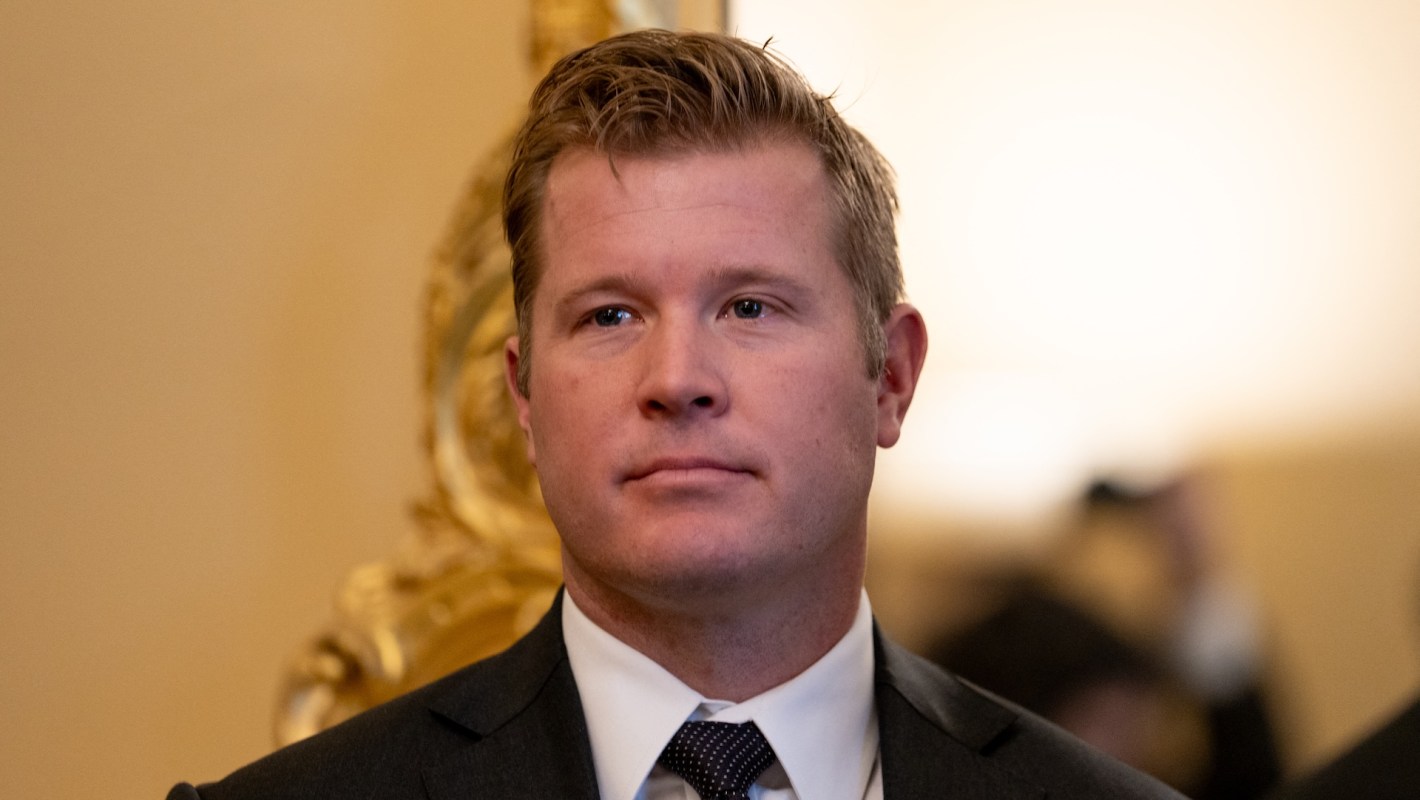
A United States senator who has been publicly vocal about his distaste for "goofy, subsidized green energy crap" has been facing backlash after it was revealed that his home uses solar power, according to E&E News.
What's happening?
Tim Sheehy, who represents Montana, has not been shy about his supposed opposition to renewable energy sources like solar and wind.
"Instead of pursuing failing solar and wind energy projects, the U.S. should focus on nuclear and geothermal energy production," Sheehy wrote in a letter to workers in the renewable energy industry, per E&E News. "Nuclear and geothermal energy projects are reliable and don't depend on variable weather conditions."
Sheehy's opposition has gone further than mere words. In 2025, he voted in favor of the current administration's One Big Beautiful Bill Act, which terminated government incentives for home solar years earlier than previously planned.
However, Sheehy's politically charged disdain for solar apparently has not extended to his personal life. Before the tax credits for home solar expired, Sheehy had solar panels and home batteries installed at his home in Bozeman, per E&E News.
Why is it important?
While it is hardly breaking news that a politician might express different opinions publicly and privately, the apparent contradiction between Sheehy's public statements and private actions has called into question his motivations.
On Reddit, commenters were quick to give their takes on the situation.
"Their job is not to represent the people; it's to serve corporate interests," said one Redditor.
"The hypocrisy is breathtaking," added another.
Many experts consider home solar one of the best ways for homeowners to save money on skyrocketing energy bills. Additionally, the solar industry supports hundreds of thousands of quality, well-paying jobs.
TCD Picks » Upway Spotlight
💡Upway makes it easy to find discounts of up to 60% on premium e-bike brands





|
Which of these savings plans for rooftop solar panels would be most appealing for you?
Click your choice to see results and speak your mind. |
 Save $1,000 this year 💸
 According to the Interstate Renewable Energy Council, the solar and energy-storage industries employed more than 450,000 people in 2024, more than three times the number of people who work in the coal industry.
By sunsetting federal solar incentives early and opposing renewable energy projects more broadly, the current administration and its allies in Congress have threatened job growth and pulled the plug on much-needed new sources of electricity production.
In recent years, largely due to the construction of massive, energy-hungry data centers, electricity demand has far outpaced the increase in supply. The result has been skyrocketing prices for consumers.
These contradictions led many commenters to express cynicism over Sheehy's actions.
"Free energy for me, not for thee," said one Redditor.
What's being done about it?
Despite the federal government's opposition to a number of renewable energy projects, solar and wind continue to be widely adopted worldwide. The International Energy Agency has forecast that, from 2025 to 2030, renewable energy capacity will grow at twice the rate that it did over the previous five years.
Even in the U.S., despite the elimination of federal incentives, some states and municipalities continue to encourage the adoption of home solar and battery systems, as well as larger-scale renewable energy projects.
For example, in New Orleans, officials have rolled out a program that offers homeowners a $10,000 credit toward installing a home battery system.

Get TCD's free newsletters for easy tips to save more, waste less, and make smarter choices — and earn up to $5,000 toward clean upgrades in TCD's exclusive Rewards Club.
Cool Picks





