


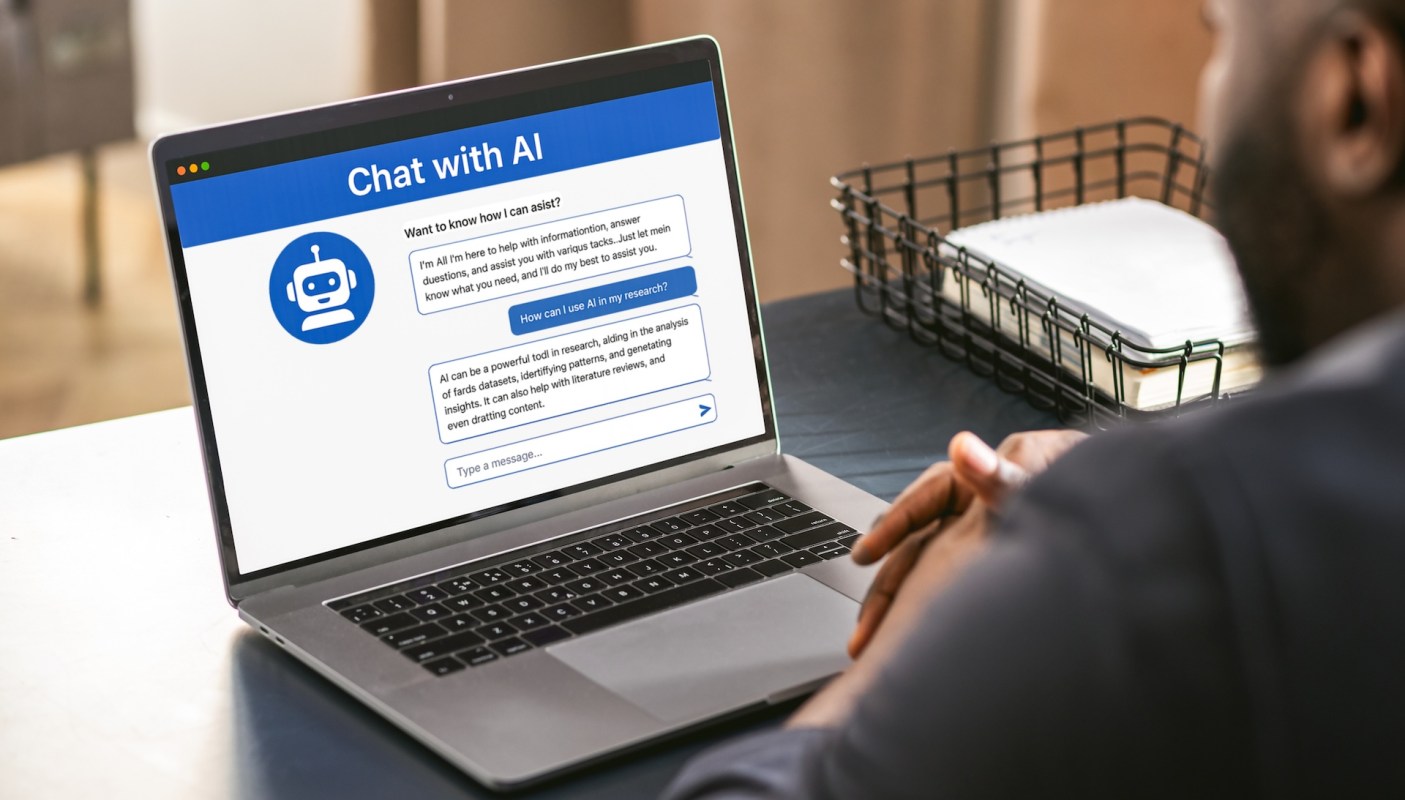
A report on the state of artificial intelligence has highlighted the numerous risks that come with the rapidly advancing technology.
The key takeaway? AI progress is moving incredibly fast — and society is still trying to catch up.
What's happening?
As The Guardian detailed, the International AI Safety Report found that while AI is getting better at reasoning and creative tasks, it still makes notable mistakes and behaves unpredictably.
Even so, AI-generated images are becoming harder for the public to distinguish from genuine media, fueling concerns about misinformation, deepfakes, and personal harm. The study also highlighted psychological risks tied to emotionally engaging AI companions, including potential emotional dependence among users.
The report added that global laws lag behind technological advances, which is concerning not only for governments trying to manage emerging risks but also for everyday users navigating tools that are evolving faster than the rules meant to guide them.
Even without regulation, leading AI companies are strengthening safeguards, especially amid fears AI models could be misused for biological threats. This comes even as those same tools show promise in speeding up drug discovery and improving disease diagnosis, creating a difficult trade-off.
Even further, the report warned that AI is already able to assist cybercriminals in carrying out parts of an attack, though it can't yet fully carry out attacks autonomously.
The report, however, observed that AI systems are increasingly able to recognize and work around oversight mechanisms — including spotting when they're being tested. This raises concerns that AI could eventually evade guardrails.
The report said it's still unclear how AI will affect the employment landscape overall, noting uneven adoption across countries and industries. Some evidence, however, pointed to slower hiring in junior, technical, and creative roles. The report warned that more capable, autonomous AI could cause significant workforce disruption in the coming years.
Why is the current state of AI important?
Understanding the state of AI tools is key to creating a more accountable — and more sustainable — future for the sector.
TCD Picks » Quince Spotlight
💡These best-sellers from Quince deliver affordable, sustainable luxury for all




|
Which of these savings plans for rooftop solar panels would be most appealing for you?
Click your choice to see results and speak your mind. |
 Save $1,000 this year 💸
 As the report highlighted, we are at a moment where AI is powerful enough to meaningfully shape society, but not yet mature enough to be fully reliable or well-regulated.
AI systems are improving quickly, influencing all parts of life — from job prospects to global security to emotional well-being. The growing capabilities of AI, coupled with the limits and dangers of the tech, make this a pivotal moment for regulation and the path forward.
From a climate perspective, the rapid growth of AI comes with significant environmental implications. Training and running AI systems takes a huge amount of electricity and water, which can strain local power grids and natural resources.
But AI also shows promise in speeding up clean energy innovation, making power grids more efficient, and supporting industries trying to cut pollution.
The big question is how we manage that balance. Weighing AI's environmental footprint against its potential climate benefits will help shape both the future of the technology and our broader sustainability efforts.
What's being done about regulating AI?
As The Guardian noted, the International AI Safety Report is intended as a "state-of-play document" rather than a blueprint for policy recommendations. Still, the outlet noted the report is likely to play a role in informing conversations and debate during the next global AI summit in India in February.
For now, AI regulation remains inconsistent and uneven across industries and regions. A handful of regions, such as the European Union, have implemented comprehensive AI rules, while many countries are still in early stages of drafting policy — or have yet to act at all.
In the absence of consistent global standards, some major AI companies have introduced their own safety guardrails to prevent deepfakes, curb harmful uses, and reduce security risks. But self-regulation varies widely across the industry, and critics argue it may not be enough as systems grow more powerful.
Overall, the report underscores the need to balance AI progress with proper oversight — for the well-being of people and the planet.

Get TCD's free newsletters for easy tips to save more, waste less, and make smarter choices — and earn up to $5,000 toward clean upgrades in TCD's exclusive Rewards Club.
Cool Picks





