


Microplastics have been found in tap water, dust, food, human blood, and more as we are continuously impacted by plastic pollution. According to an investigation into recycled polyester, often used by companies to produce "green" clothing, people are even more exposed, per Euronews.
What's happening?
Research from the Changing Markets Foundation, carried out by the Microplastics Research group at Çukurova University in Turkey, found that recycled polyester sheds 55% more microplastic particles during washing tests than virgin polyester. They were also found to be around 20% smaller and more able to spread through the environment.
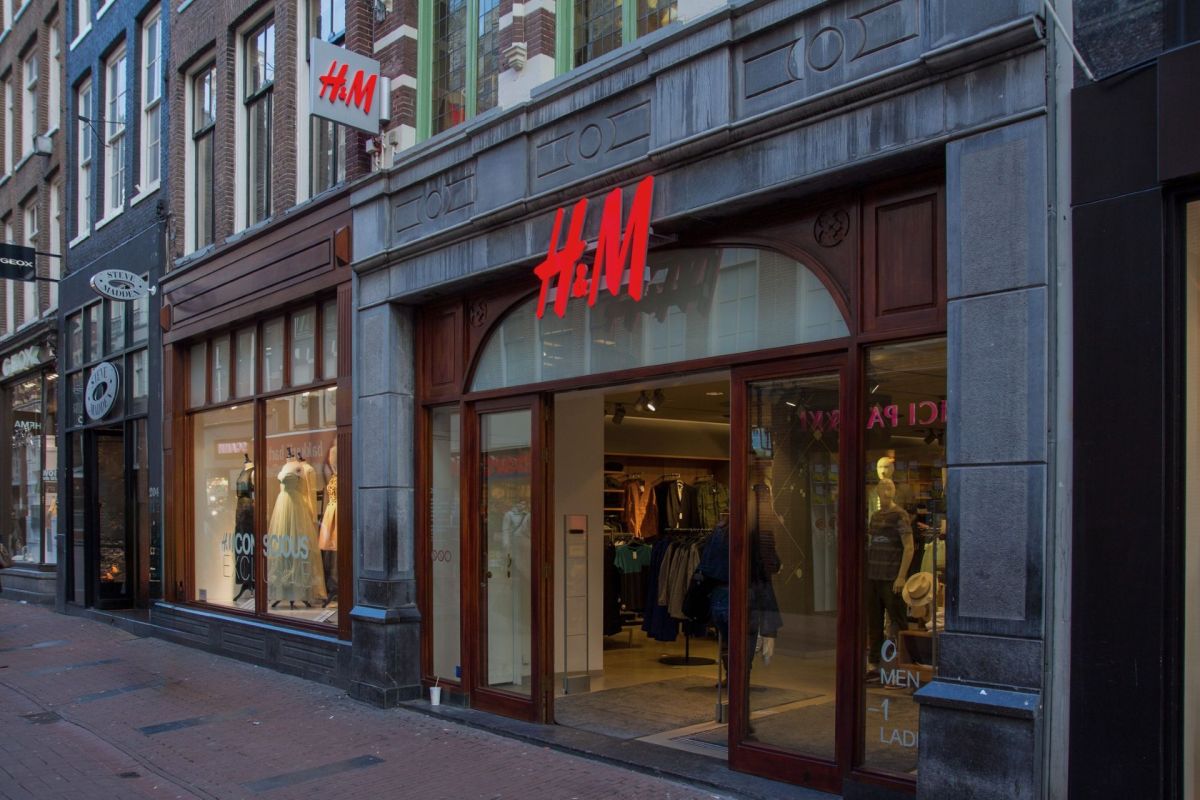
Many clothing brands have built their sustainability claims around recycled polyester, including Adidas, H&M, Nike, Shein, and Zara, that were tested during the research. According to Euronews, Nike's recycled polyester sheds more than 30,000 fibers per gram, nearly four times H&M's average and more than seven times Zara's. Plus, it was suspected that some of Shein's pieces may have been incorrectly labeled as recycled when they were virgin polyester.
Shein has also faced fines totaling more than $47 million for misleading discounts and environmental claims, according to Euronews. Learning to identify misleading sustainability claims is a good way to understand how marketing terms can be used to distract from a company's reliance on synthetic materials.
"It exposes recycled polyester for what it is: a sustainability fig leaf covering fashion's deepening dependence on synthetic materials," said Urska Trunk, senior campaign manager of Changing Markets Foundation, per Euronews.
Why is transparency important?
This is an issue of greenwashing, which is when companies market their products as sustainable even if they might not be as sustainable as they claim. For example, H&M and Zara have been called out for using Brazilian cotton linked to illegal deforestation, land grabs, and violence.
According to Euronews, 98% of the recycled polyester used by major brands comes from plastic bottles, meaning companies are converting bottles into clothing that sheds large amounts of plastic particles per wash. The microplastics then end up in homes, wastewater, soil, and more, leading to long-term health issues like cancer or neurological problems.
What's being done about microplastics?
H&M is researching production techniques to reduce fiber shedding and supporting the development of laundry filters that can capture fragments before they enter wastewater, according to Euronews.
Adidas told Euronews it continues to use recycled polyester because of its low carbon footprint, though the research shows it doesn't address the shedding issue. Trunk said brands should slow the production of synthetic fibers and stop the conversion of plastic bottles into clothing that mostly end up in landfills.
"Microfiber shedding is a known, industry-wide challenge, and Shein continues to support research and solutions through ongoing collaboration and data sharing," Shein said in a statement to Euronews.
TCD Picks » Quince Spotlight
💡These best-sellers from Quince deliver affordable, sustainable luxury for all




People looking to lower their impact can explore brands that use safer materials. Reducing plastic use can limit the amount of microplastics ending up in the items we use daily.
|
Do you think forever chemicals should be banned from all products? Click your choice to see results and speak your mind. |
 Yes 👍
Yes 👍 
Get TCD's free newsletters for easy tips to save more, waste less, and make smarter choices — and earn up to $5,000 toward clean upgrades in TCD's exclusive Rewards Club.
Cool Picks





