


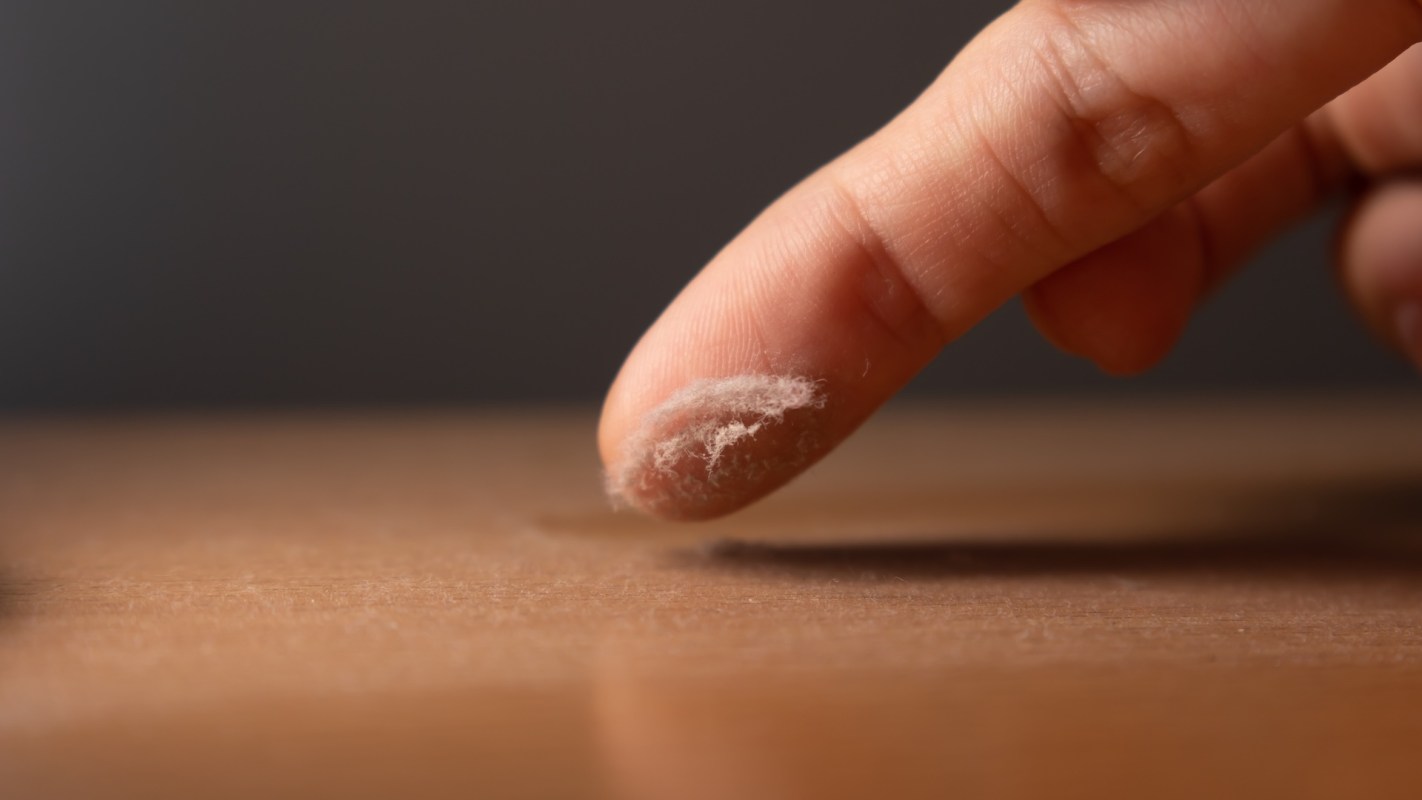
Tiny plastic particles are not just in oceans, food, and bottled water — they're also swirling in the dust inside our homes.
A new scientific review has found that these microplastics and nanoplastics can make their way into the body, where they may damage mitochondria, the "powerhouses" of our cells. When mitochondria break down, they struggle to manage energy and stress, a process scientists told Earth.com is "widely recognized as a hallmark of aging."
What's happening?
The review, led by Liang Kong of the Institute of Translational Medicine at Yangzhou University, pulled together evidence showing how plastics from everyday textiles, packaging, and furniture accumulate in household dust, where they can be inhaled or swallowed. Once inside the body, these particles can disrupt mitochondrial membranes, interfere with energy production, and amplify stress signals that accelerate age-related decline.
Why is this concerning?
Mitochondria are critical for everything from powering muscles to supporting brain function. When they falter, cells can't keep up with daily damage, increasing the risk of heart disease, stroke, and neurological decline.
Research shows that indoor dust often contains more microplastics than outdoor air, making daily exposure a real risk — especially for infants and toddlers, who tend to breathe in and ingest more dust. Other studies have found microplastics circulating in human blood and even in arterial plaques, where their presence was linked to higher risks of heart attack and stroke.
While the health effects are still being mapped, the evidence raises troubling questions about how much these invisible particles may be influencing long-term disease and aging.
TCD Picks » Quince Spotlight
💡These best-sellers from Quince deliver affordable, sustainable luxury for all




What can be done about it?
Plastic use is deeply embedded in modern life, but scientists say there are steps we can take to reduce exposure. At home, regular vacuuming with HEPA filters, damp dusting, and choosing natural fabrics can cut down the amount of plastic particles circulating indoors. Using glass or stainless steel instead of plastic containers for hot food can also reduce microplastics shedding into meals.
On a larger scale, reducing reliance on single-use plastics and supporting policies that limit plastic production can help lower the overall burden of pollution. By making small changes in daily life — and supporting broader action to curb plastic waste — we can help safeguard both human health and the environment for the future.
|
Do you worry about having toxic forever chemicals in your home?
Click your choice to see results and speak your mind. |
 Majorly 😥
Join our free newsletter for easy tips to save more and waste less, and don't miss this cool list of easy ways to help yourself while helping the planet.






