


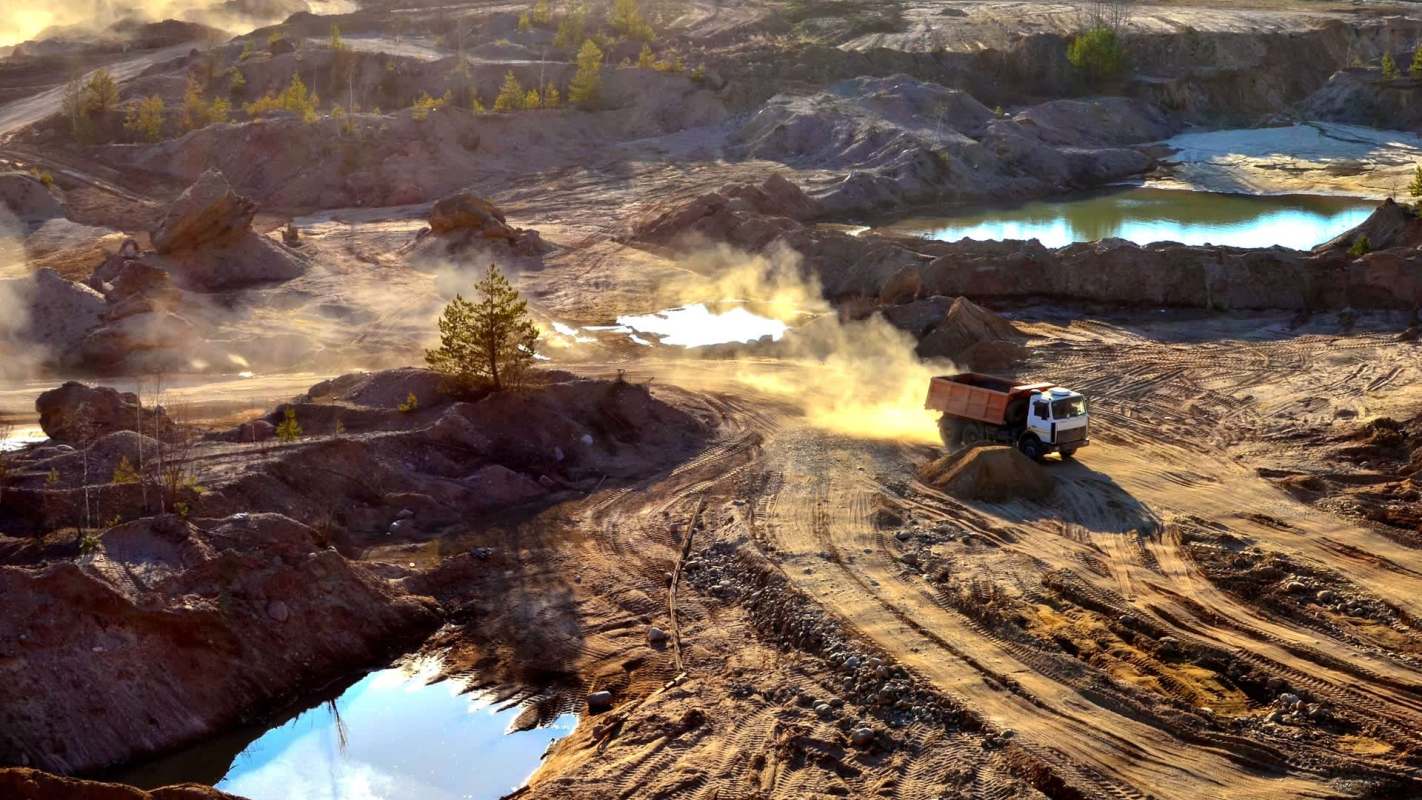
Although rare earth mining is illegal in Laos, rare earth mines have still emerged in recent years, threatening the Mekong River system.
What's happening?
Weak oversight and limited civic space have enabled the opening of at least 27 rare earth mines across river basins in the area since 2022, according to Mongabay.
Despite being illegal, foreign investors, particularly those from China, have managed to find loopholes by establishing relationships with local officials or local elites, who then give them the go-ahead for the mines.
Research from the U.S.-backed Stimson Center indicated the existence of 27 rare earth mines, 23 of which may be located in protected areas. Fifteen mines operate within the Mekong River basin, a biodiversity hot spot that helps sustain over 50 million people who rely on it for their livelihoods, water, and food.
Besides endangering livelihoods, these rare earth mines have been responsible for significant water pollution. In 2024, pollution and chemical spills from mines in two northeastern provinces of Laos were so severe that the government intervened.
Why are these rare earth mines concerning?
These rare earth mines are having a significant effect on local communities and waterways.
TCD Picks » Quince Spotlight
💡These best-sellers from Quince deliver affordable, sustainable luxury for all




The 2024 incident that prompted government intervention saw high levels of acidity and cyanide in two rivers, which resulted in such an extreme fish die-off that it affected 36 villages. Fish serve a variety of purposes for these communities, including as a significant part of local diets and as a livelihood for many, so massive die-offs, such as this one, have multiple adverse effects on local populations.
Additionally, when exploring to find the best location for a rare earth mine, investors often cut down large swaths of forest. This habitat loss affects local wildlife and plant species, often causing wildlife to move and leaving fewer resources for local communities.
Rare earth mines have also impacted local land rights, as people must relocate to make way for the mines. Additionally, the heavy equipment used in mining has led to an increase in dust in the air, which can cause respiratory issues for those constantly exposed to it.
What's being done to stop rare earth mining in Laos?
Unfortunately, it is challenging to stop the proliferation of rare earth mines in Laos. In fact, it appears that revisions to the laws regarding rare earth mining will make it easier for investors to open more mines.
As one anonymous source, a resident of northeastern Laos, explained to Mongabay, "when people try to protect the forests, even national protected areas, the challenge is that the mining keeps coming — it's not sustainable development, it only destroys."
|
Do you worry about companies drilling too deep into the ground? Click your choice to see results and speak your mind. |
 Definitely 💯
💰Get TCD's free newsletters for easy tips to save more, waste less, and make smarter choices — and earn up to $5,000 toward clean upgrades in TCD's exclusive Rewards Club.






