


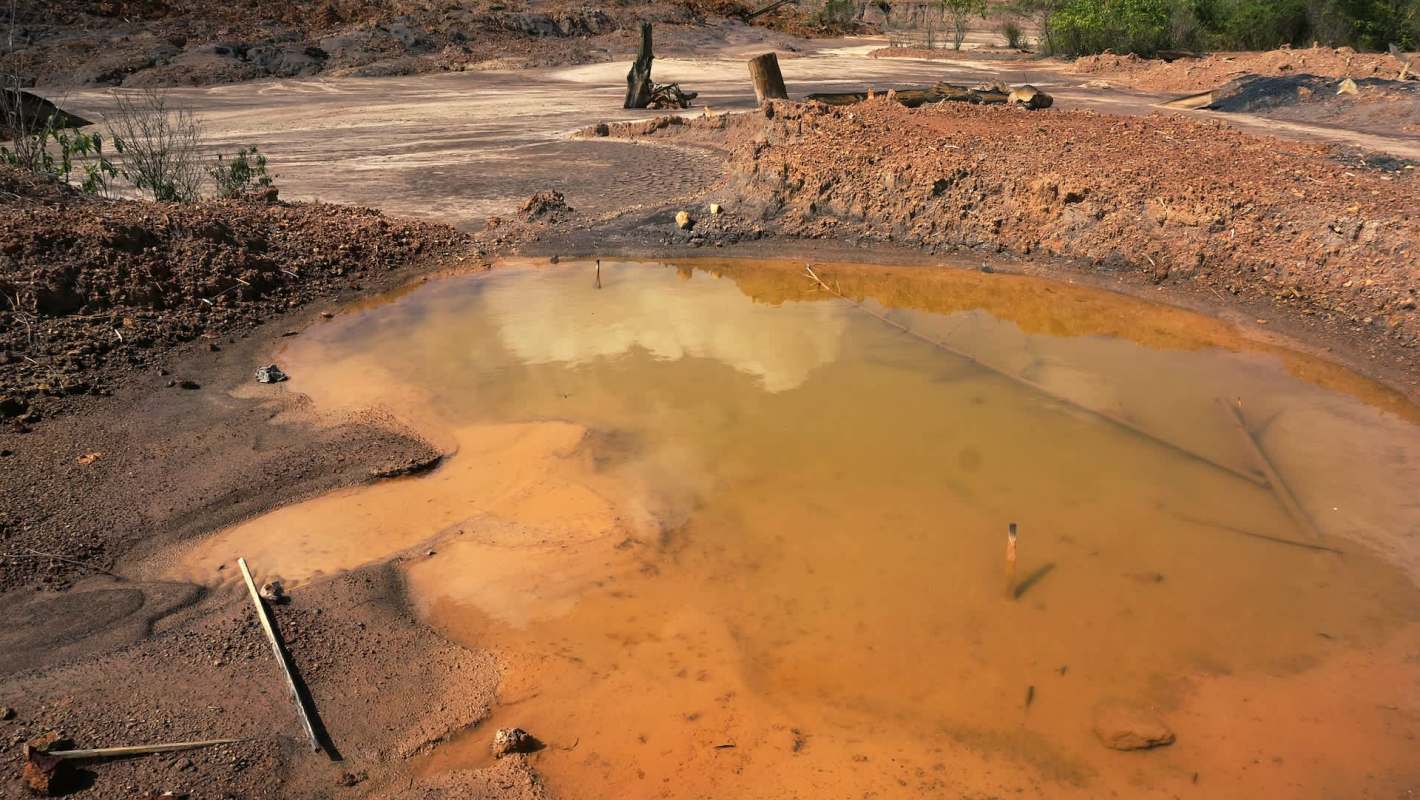
Canada's mining industry is under fire after an international tribunal found it committed environmental and human rights violations around the globe.
What's happening?
Earlier this year, the International Rights of Nature Tribunal accused Canadian mining companies of abusing ecosystems and communities at home and abroad, according to Mongabay.
Their evidence spans mining projects in Brazil, Argentina, Chile, Ecuador, Bolivia, and Serbia.
Environmental journalist Brandi Morin saw firsthand how Canadian mining has impacted Bolivian lands and its Indigenous populations that rely on it.
"Canada is the mining giant of the world, and around the world, they're getting away with atrocities. They aren't regulated very well to hold them to account. It's a free-for-all out there," she said.
In her conversation with Mongabay on a podcast, Morin extensively detailed the issues she saw these communities facing.
TCD Picks » Quince Spotlight
💡These best-sellers from Quince deliver affordable, sustainable luxury for all




"You can see the pollution, you can smell the pollution. The rivers are like garbage bins. The animals cannot live and thrive. They are deformed; they die. And the people that are living there are really, really working to survive," she explained.
Why are these accusations against Canadian mining companies concerning?
The mining projects in question are lithium mines, and the material extracted is primarily used in batteries for electric vehicles.
The overall environmental impact of EVs is a fraction of their traditional combustion-engine counterparts. But battery production does have negative implications on the local area surrounding mines as demand continues to grow for these cars.
The effects of these practices are not new information to environmental advocates who want a clean energy transition. They emphasize a need, however, for more strategic planning to ensure that clean energy positively affects the planet and its people.
|
Do you think fracking should be illegal in America? Click your choice to see results and speak your mind. |
 Yes — everywhere 👏
 What's being done about the impact of these mining practices?
Calling out companies in this way is a crucial step in supporting communities around the globe feeling the effects of mining pollution.
By holding these giants accountable for their actions on a local and a global level, activists are working toward a cleaner future that doesn't leave anyone behind.
"We don't have to choose between fighting climate change and protecting human rights," said Ana Zbona, an expert from the Business & Human Rights Resource Centre, in the tribunal's press release. "A just transition must mean working towards greater global equity and equality, which means that policy options to reduce demand for new minerals must be considered first."

Join our free newsletter for good news and useful tips, and don't miss this cool list of easy ways to help yourself while helping the planet.






