


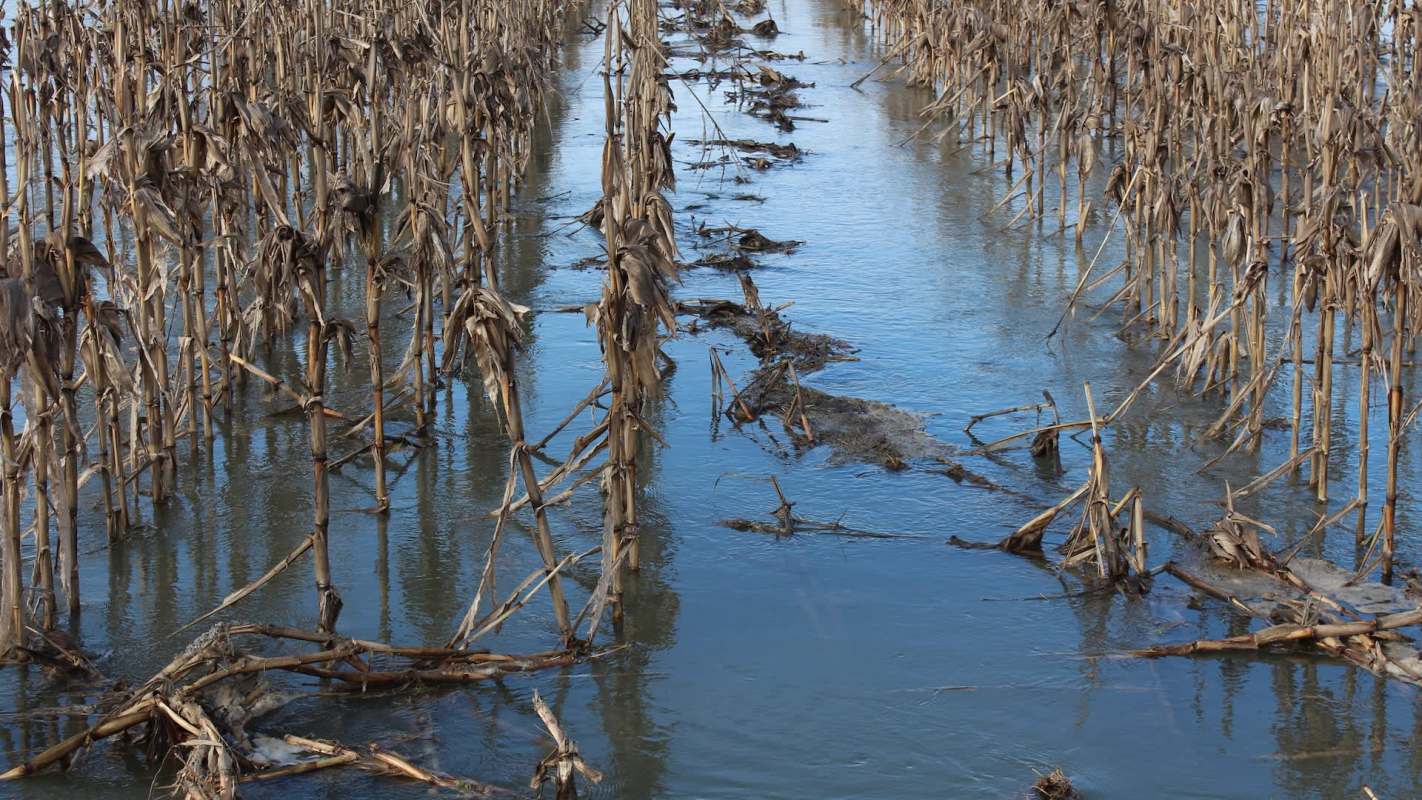
A farmer in Wisconsin is counting some major losses on a popular seasonal crop after record-shattering rainfall swept across the state in August.
What's happening?
The flash floods that hit southeast Wisconsin have caused significant damage to area farmlands, according to Spectrum News.
Local farmer Landon Valenta, working just outside Milwaukee, told the outlet that he lost around 10 acres of his pumpkin crop, while other produce grown on the farm is also struggling.
Valenta expects to lose between $25,000 and $30,000 due to the failed crops. And he said that insurance was not an option.
"If I were to just grow pumpkins, maybe I could try and get an insurance policy on them," Valenta told Spectrum. "But when you are growing all the different types of produce … just a wide array, it is not viable to get insurance on it."
Why are crop losses such a concern?
In early August, several counties in Wisconsin experienced some of the heaviest rainfall ever recorded in the state. The Climatology Office reported that the up to 14.5 inches of precipitation that hit northeast Milwaukee in a 24-hour period could be a new state record.
The existing infrastructure is simply not built to handle such an extreme volume in such a short time. Wisconsin's Department of Natural Resources has highlighted increased flooding as one of the significant climate risks the state is facing, with extreme weather events exacerbated by the planet-heating pollution caused by human activity.
One of the ways this trend is manifesting is in making dry weather drier and wet weather wetter. Meanwhile, some pumpkin growers in Colorado have previously experienced the effects that limited groundwater can have on their crop yields.
Overall, the instability presents a major threat to the nation's — and the world's — long-term food security.
What can be done to protect crop yields?
It's important to note that industrial agriculture is partly responsible for creating the worrying conditions that now threaten farms and food systems.
TCD Picks » Quince Spotlight
💡These best-sellers from Quince deliver affordable, sustainable luxury for all




|
What is the biggest reason you don't grow food at home? Click your choice to see results and speak your mind. |
 Not enough time ⏳
 Habitat destruction tied to land clearance and the overuse of harmful chemicals to control pests have taken their toll on the environment. With those impacts in mind, many farmers are looking to more sustainable methods.
Reducing the heat-trapping pollution that is worsening extreme weather by switching to cleaner, renewable energy sources needs to be a part of the conversation. But in terms of sustainable farming practices, researchers and agricultural producers are looking at drought- and flood-resistant crops to strengthen the resilience of global food systems, often drawing on Indigenous knowledge to improve growing methods.
At the individual level, growing your own food can help reduce the impact of large-scale agriculture while saving households money. Shopping at local farms can also be key.
Valenta told Spectrum News that his farm stand has received strong support from residents following the floods. "So much support we have been receiving from them," he said. "General customer base and new customer base has just been great."

Join our free newsletter for good news and useful tips, and don't miss this cool list of easy ways to help yourself while helping the planet.
Cool Picks




