


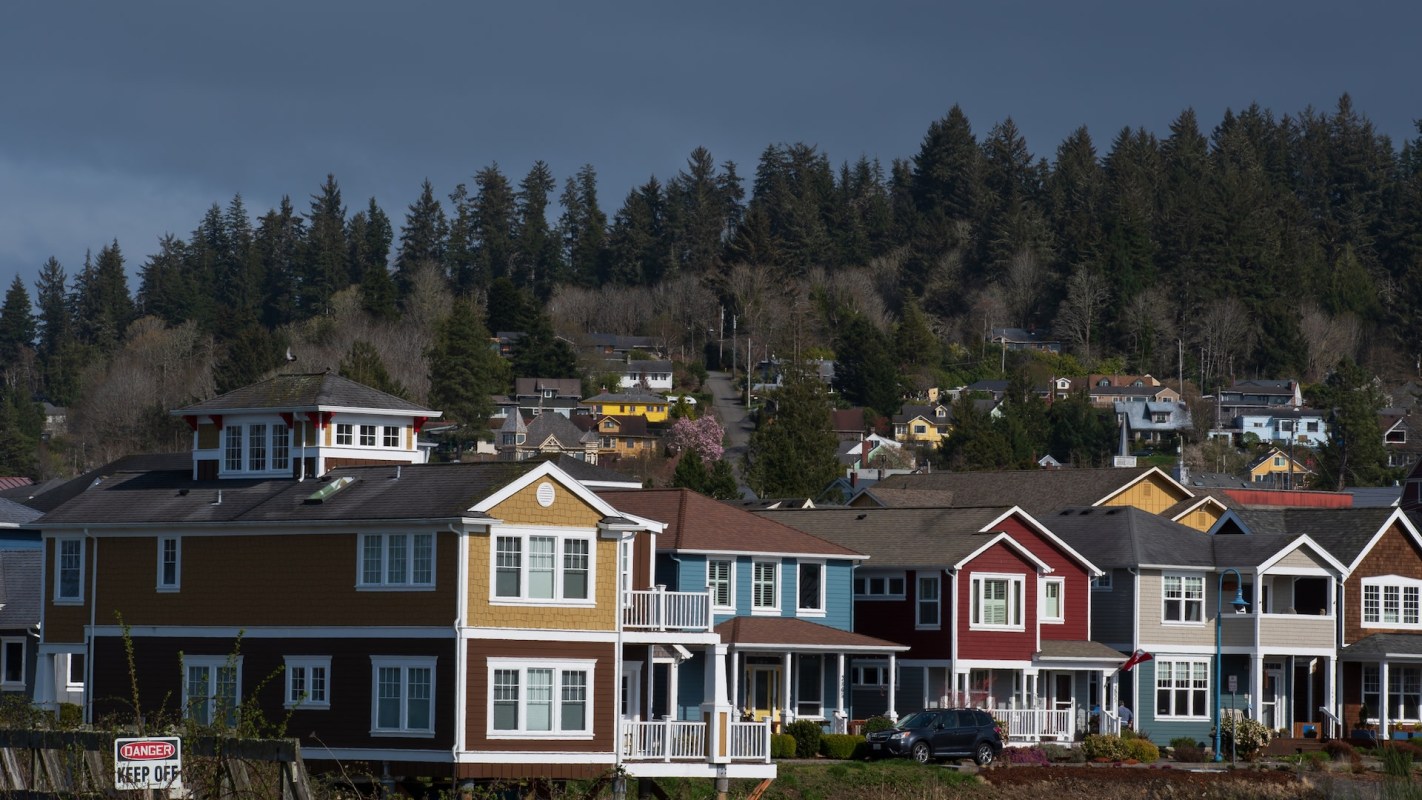
Homeowners in Oregon are facing extreme increases in insurance rates due to ongoing wildfire threats, as insurers have lost billions in the past five years.
What's happening?
In wildfire-prone regions, homeowners insurance costs are rising sharply, according to Lookout Eugene-Springfield. Some Lane County residents face premium hikes of nearly 50% in a year, driven by insurers' losses from increasingly destructive wildfires linked to dirty energy, droughts, and rising global temperatures.
Since 2020, when Labor Day weekend fires burned more than 4,000 houses in Oregon, insurance companies have paid out $4 billion in disaster claims, three-quarters of which are related to wildfires. That's more than four times the amount paid in the previous 40 years.
Insurers are passing these costs to consumers. In the past few years in Eugene and Springfield, average annual premiums have jumped from under $800 to more than $1,200.
"A few years ago, I might estimate that the average home insurance plan cost $50 to $60 a month. Now I'm accounting for it at $75 to $100 a month," said Casey Lown, owner of Strategic Mortgage Solutions in Eugene.
In rural areas, where fire response times are longer and homes are older, price increases are even steeper, making rural living financially strained.
"We're fortunate that we're in the financial situation that we can afford it," Spencer Butte resident Kerry Silvey said.
Why is this concerning?
This surge in premiums is yet another ripple effect of worsening wildfire seasons across the western U.S., fueled by hotter, drier conditions from burning and polluting dirty energy. As extreme fire events grow in frequency and severity, insurers are reassessing risk, sometimes refusing to cover entire counties or forcing homeowners into state-backed emergency plans that cost more and offer less protection.
For families already struggling with high housing and essential costs, these hikes can mean choosing between paying for coverage or going without, leaving them dangerously exposed to increasingly extreme weather events.
The financial hit also depresses rural housing markets, with homes in high-risk zones sitting unsold for months. And with nearly 2,700 Oregon residents now relying on the state's FAIR Plan, experts warn that another fire season like 2020 could send rates soaring even higher.
TCD Picks » Upway Spotlight
💡Upway makes it easy to find discounts of up to 60% on premium e-bike brands





|
Do you think you're overpaying for electricity? Click your choice to see results and speak your mind. |
 Yes 👍
Yes 👍 What's being done about soaring home insurance prices?
Some states are exploring reforms to stabilize insurance markets, such as using fire-resistant home materials, clearing vegetation, and improving community fire defenses. Oregon has begun expanding access to its FAIR Plan and investing in wildfire protection projects, though these changes take time to show results.
Homeowners can take steps to reduce their property's risk score, such as creating defensible space, removing flammable vegetation, and upgrading to noncombustible roofing.
But experts say the root cause, rising wildfire danger from human-driven overheating of the planet, requires broader action like cutting back on dirty energy use, supporting clean energy transitions, and rethinking development in high-risk areas.

Join our free newsletter for good news and useful tips, and don't miss this cool list of easy ways to help yourself while helping the planet.
Cool Picks





