


Wildlife regulators in Oregon won a legal battle against efforts to allow gravel mining on farmland, according to the Capital Press.
Oregon's Land Use Board of Appeals (LUBA) sided with the state's Department of Fish and Wildlife (ODFW).
ODFW held that a push from Jackson County to turn 435 acres of agricultural land into gravel mining land "failed to specify the impacts" the transition would have on the deer and elk habitat in the area to the degree required by law.
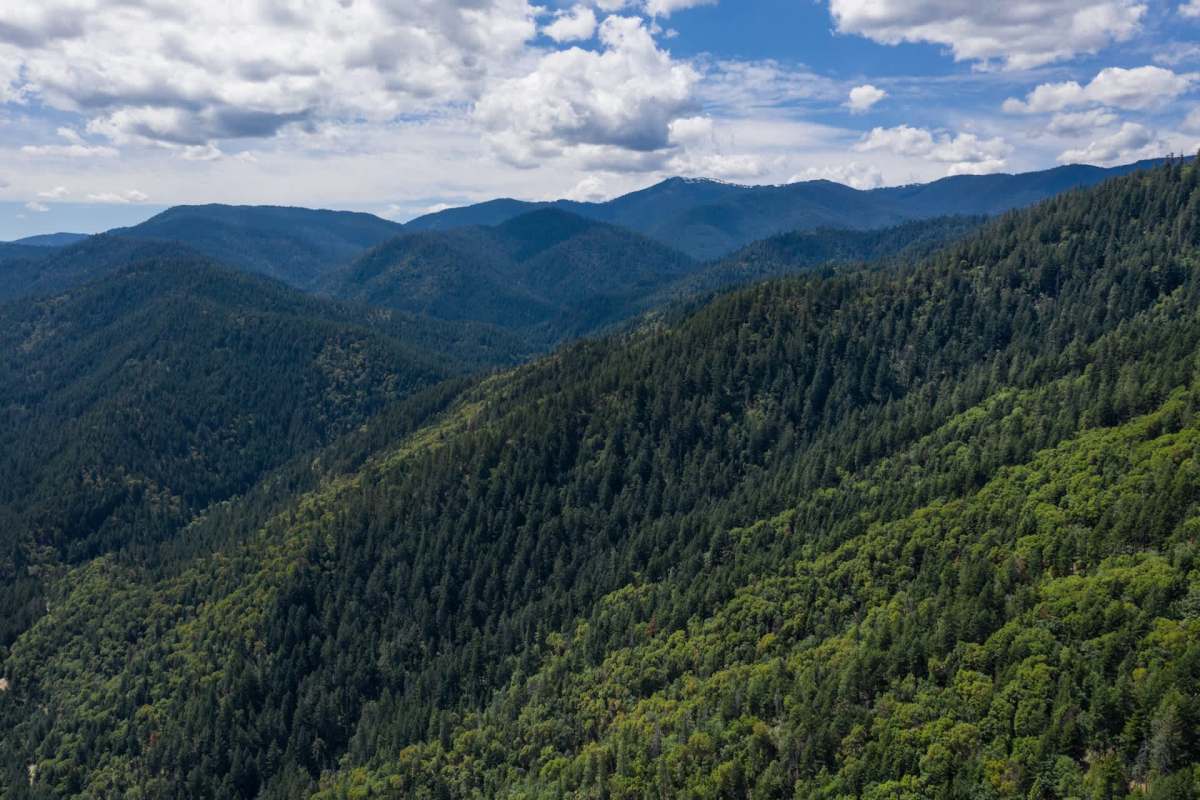
The conflict began with a 1,300-acre property in the county owned by Freel & Associates near Eagle Point, which is mostly zoned for "exclusive farm use," and includes "sensitive winter range habitat" for deer and elk.
The land also contains a significant amount of high-quality stone suitable for gravel, prompting the company to propose opening more of the land to mining.
Wildlife officials pushed back on the proposal, which was initially rejected by LUBA, prompting Jackson County to resubmit plans in 2025.
However, the retooled plans still lacked definitive information.
While they acknowledged that machinery noise could drive away wildlife and that mining dust could negatively impact foraging, a lack of specifics and promises of a more detailed study after mining began were deemed insufficient to merit approval.
According to the Environmental Coalition on Standards, quarries used to produce gravel can have a significant, long-lasting impact on surrounding ecosystems.
Gravel mining causes noise pollution, can disrupt local water tables and aquatic habitats, and is severely detrimental to natural carbon sinks.
TCD Picks » Quince Spotlight
💡These best-sellers from Quince deliver affordable, sustainable luxury for all




|
Do you think America does a good job of protecting its natural beauty? Click your choice to see results and speak your mind. |
 Definitely 👍
 Once abandoned, quarries become massive safety hazards, often filling with water or trash as people use them as illegal dumping grounds.
Ultimately, LUBA ruled that it's too soon to determine whether the proposed mitigation efforts will be effective, and ordered the county government to return with specifics on the impacts of both noise and dust pollution on the surrounding ecosystem.
In other words, while regulators achieved a short-term victory in preventing the introduction of additional gravel mining, the change could still go through in the future.

Get TCD's free newsletters for easy tips to save more, waste less, and make smarter choices — and earn up to $5,000 toward clean upgrades in TCD's exclusive Rewards Club.
Cool Picks





