


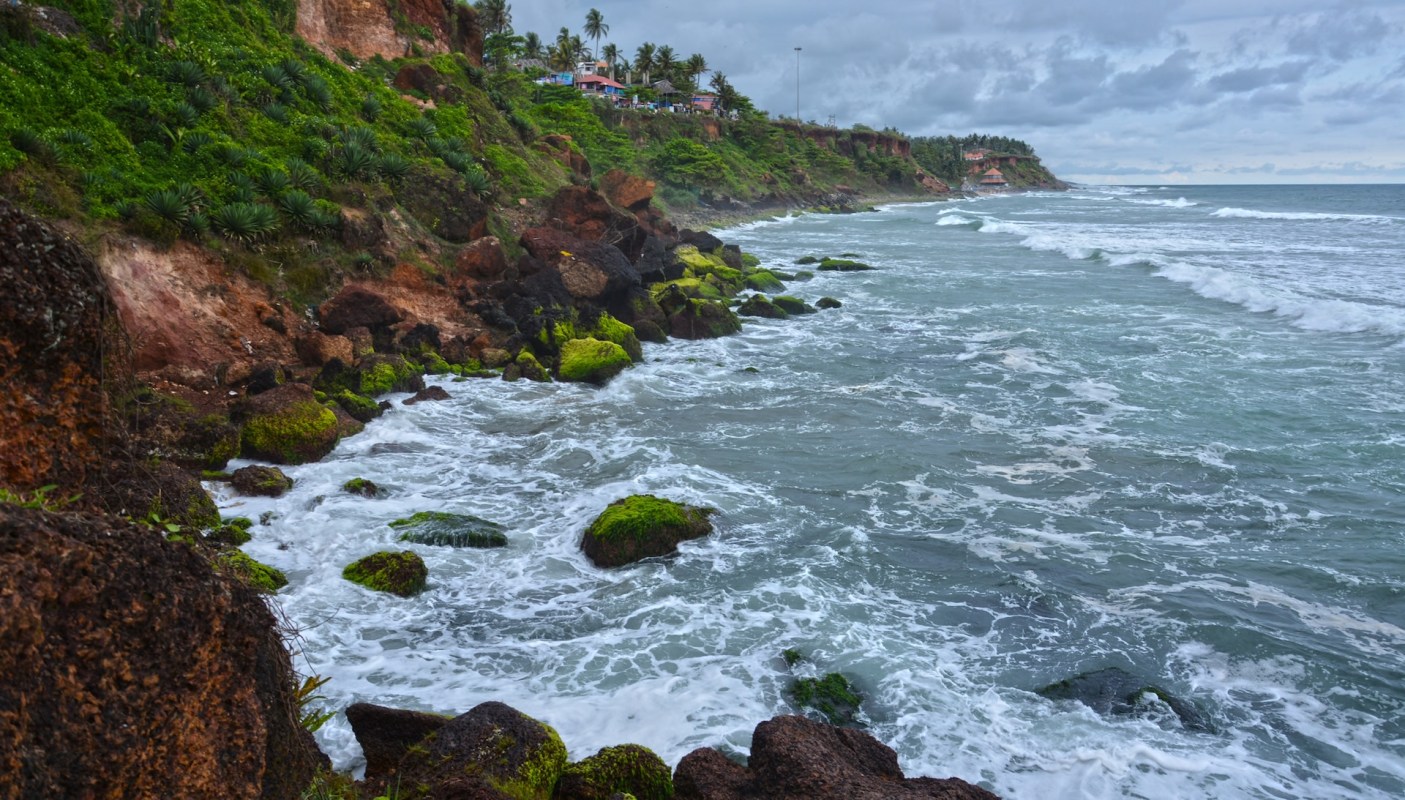
A shipping disaster off the coast of Kerala, India, has left communities reeling as plastic pollution and economic fallout spread months after the incident.
What happened?
On May 25, 2025, the MSC Elsa 3 container ship capsized and sank just 13 miles from Kerala's shoreline. It was carrying hazardous cargo, including 71,500 sacks of plastic pellets known as nurdles. Nearly three months later, millions of them continue to wash up on beaches despite cleanup efforts that have so far recovered less than 8,000 of the missing sacks.
Fishing families in Thiruvananthapuram say the situation is a complete disaster.
"The nurdles haven't just polluted the sea — they've disrupted our entire way of life," local fish worker Ajith Shanghumukham told The Guardian.
Nets are coming back filled with pellets, and fish sales are down because of worries about contamination. More than 100,000 families are facing lost income.
Even worse, this comes not long after the worst plastic pollution spill in history. In 2021, the X-Press Pearl ship spilled nurdles and chemicals into the sea, causing "unprecedented devastation to the marine environment," according to a Sri Lankan court ruling.
Why are nurdles concerning?
Nurdles may look harmless, but don't let their small size and silly name fool you. These pea-sized pellets are raw material for plastic products and are classified as microplastics.
Wildlife can mistake them for food, leading to starvation, poisoning, and death. Nurdles also act like sponges in seawater, absorbing harmful "forever chemicals" and bacteria such as E. coli.
Those toxins move up the food chain and end up in human bodies too. Research has already linked microplastics to health issues such as strokes and heart attacks. And with Kerala's spill happening in a region that lands nearly half of India's seafish, experts say the long-term effects on food supply and health are troubling.
What's being done about nurdles?
Kerala's government has filed a $1.1 billion claim against Mediterranean Shipping Company, which chartered the vessel. But MSC is disputing jurisdiction and trying to avoid being held accountable. Cleanup efforts could take up to five years, according to disaster officials.
TCD Picks » Quince Spotlight
💡These best-sellers from Quince deliver affordable, sustainable luxury for all




|
Do you think the government should ban gas-powered lawn tools? Click your choice to see results and speak your mind. |
 No way 🙅
 Environmental advocates are also pushing for nurdles to be classified as hazardous material, which would enforce stricter standards for how they're packaged and transported. Recently, delegates from more than 170 countries met in Geneva to negotiate a United Nations plastic pollution treaty. Unfortunately, 10 days of negotiations weren't enough to reach an agreement.
While there are sure to be more talks in the future, no dates have been scheduled. Until then, people at home can help mitigate these risks by using less plastic and choosing eco-friendly alternatives whenever possible.

Join our free newsletter for good news and useful tips, and don't miss this cool list of easy ways to help yourself while helping the planet.
Cool Picks




