
Michigan Attorney General Dana Nessel filed a landmark antitrust lawsuit against several of the largest fossil fuel providers on Earth, according to Bridge Michigan.
Nessel said that the action was unlike previous legal efforts to hold the oil lobby accountable for environmental harm. She said that "at the heart, this [was] an energy affordability case."
In late December, Politico's E&E News reported that "electricity rates" had become a "potent issue" heading into the 2026 midterm elections, and a Jan. 21 analysis by The Guardian found that American electricity bills rose by more than 20% in some areas in 2025.
A copy of the suit, filed on Jan. 23, was labeled "Michigan Energy Affordability Complaint." BP, Chevron, Exxon Mobil, Shell, and the American Petroleum Institute were among the defendants.
"Through this Action, the State seeks to end and obtain appropriate redress for injuries caused by a conspiracy to delay the transition from fossil fuels to renewable energy," the second sentence of the suit read, citing several antitrust statutes.
Renewable energy sources, particularly solar, are demonstrably cheaper than non-renewable alternatives. In 2022, the International Renewable Energy Agency (IRENA) noted that the levelized cost of utility‑scale solar plummeted 88% between 2010 and 2021.
TCD Picks » Upway Spotlight
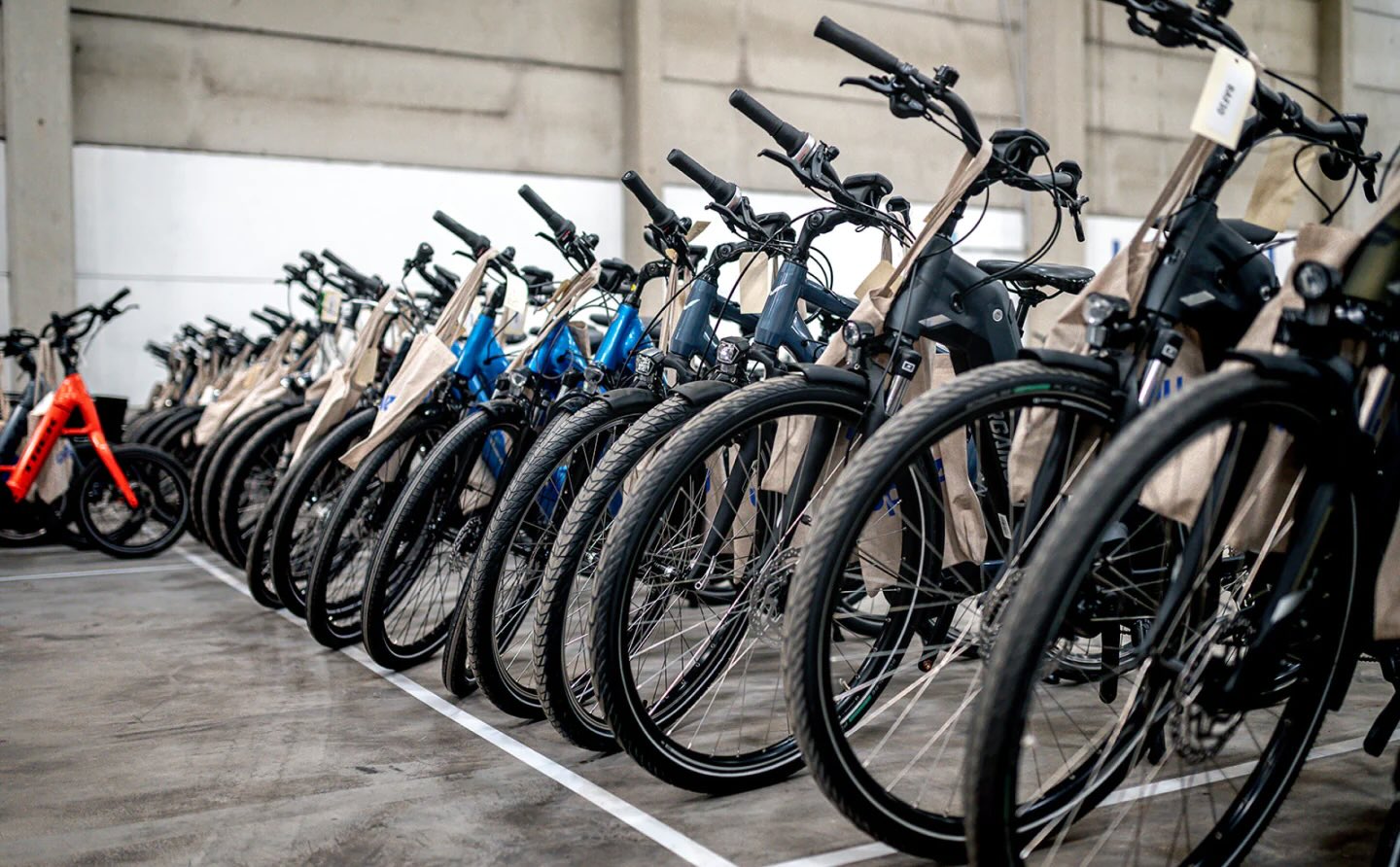
💡Upway makes it easy to find discounts of up to 60% on premium e-bike brands




A July IRENA press release indicated that in 2024, a staggering 91% of renewable energy projects were "more cost-effective than any new fossil fuel alternatives," with solar (41%) and wind (54%) both deemed "cheaper than the lowest-cost fossil fuel alternatives."
Mathematically, renewable energy is unquestionably more affordable, and Nessel hammered that point in the suit and in her comments to the outlet.
Michigan was among the states hit hardest by rising energy costs, which "could have been prevented had the fossil fuel cartel not worked together to postpone innovation and to eliminate cost-effective alternatives," Nessel said.
At the beginning of the 126-page suit, Nessel alleged that the "defendants' collusion" began in 1980, "when their own research concluded that continued reliance on fossil fuels would impose staggeringly high and stunningly destructive negative externalities on consumers nationwide."
TCD Picks » Quince Spotlight
💡These best-sellers from Quince deliver affordable, sustainable luxury for all




|
What's the most you'd pay per month to put solar panels on your roof if there was no down payment?
Click your choice to see results and speak your mind. |
 $200 or more 💰
 Consequently, the suit claimed, the defendants suppressed internal research and "commercially viable prototypes, and used "capture-and-kill tactics and aggressive patent litigation to restrain rivals from making progress with renewable energy."
The newly filed suit remains pending, and at the top of the first page, text suggested that Michigan wasn't interested in skipping a trial in favor of a settlement.
"JURY TRIAL DEMANDED," it read.

Get TCD's free newsletters for easy tips to save more, waste less, and make smarter choices — and earn up to $5,000 toward clean upgrades in TCD's exclusive Rewards Club.
Cool Picks