


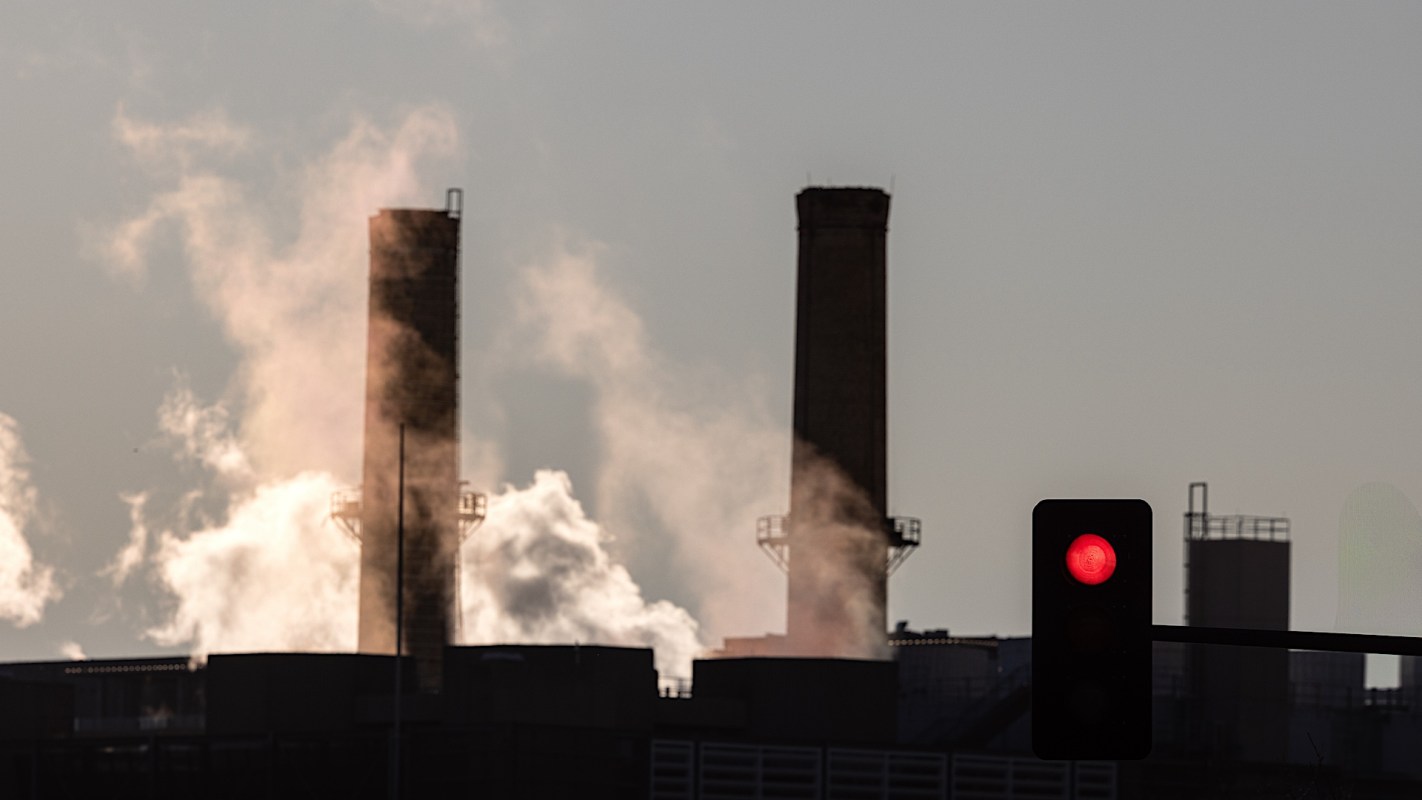
The last coal-fired plant active in New England has ceased operations as of September — three years ahead of its projected retirement in 2028, Canary Media recently reported. The plant's early closure could be seen as an indication of the bleak future of coal, despite the federal government's recent efforts to revive the industry.
Merrimack Station, located in Bow, New Hampshire, opened in the 1960s to provide coal-powered electricity to the New England power grid.
Coal production in the United States peaked around 2008, according to a 2025 Congressional report, but it steadily fell over the years as alternative forms of energy, including solar and wind, grew in popularity. Other sources — particularly natural gas — offered cheaper options, gradually rendering coal plants obsolete.
Two decades ago, Merrimack Station had a capacity factor of 70-80%, according to the Union of Concerned Scientists. But the plant had barely reached 8% in the last six years, and its lower output reduced company revenues.
"The market no longer sustains and justifies these types of facilities," Dan Dolan, president of the New England Power Generators Association, told Inside Climate News in October.
The New Hampshire Business Review reported in 2023 that the plant had managed to stay afloat in recent years by securing capacity supply contracts. Under these contracts, Merrimack committed to supplementing the power grid with a certain amount of energy to ease the strain during periods of peak demand, such as the coldest and hottest days of the year.
Eventually, however, the plant began losing these contracts to cheaper alternatives as well. And there was a surge in challenges from environmentalists — including those who noted that one hour of Merrimack's operations emitted more carbon dioxide than the average person's entire spectrum of activities, including traveling, would in over 25 years, per NHBR and a Concord Monitor article.
This harmful pollution has the potential not only to impact the health of plant workers and residents of surrounding areas but also to contribute to the rise of global temperatures. The fossil fuel industry — including coal, oil, and gas — is the largest contributor to this rise and the extreme weather events it can supercharge, the United Nations previously confirmed.
Coal plants also pose contamination threats to area groundwater supplies, according to the Environmental Protection Agency.
The closing of New England's last coal plant came just as the White House announced the opening of 13.1 million acres of public land for coal mining, while designating another $625 million to support coal-fired power plants. The federal subsidies may still be unlikely to reverse the years of financial hardship that coal plants have endured and may continue to experience as cleaner and cheaper alternatives, like solar, persist.
TCD Picks » Quince Spotlight
💡These best-sellers from Quince deliver affordable, sustainable luxury for all




|
Which of these factors is the biggest obstacle preventing you from getting solar panels? Click your choice to see results and speak your mind. |
 The upfront cost 💰
 According to Canary Media, Granite Shore Power, owner of the Merrimack plant, has outlined a proposal to repurpose its infrastructure to house clean energy projects, including solar and battery storage solutions.
"The end of coal is real, and it is here," said the Sierra Club New Hampshire's Catherine Corkery, per Canary. "We're really excited about the next chapter."

Join our free newsletter for good news and useful tips, and don't miss this cool list of easy ways to help yourself while helping the planet.
Cool Picks





