


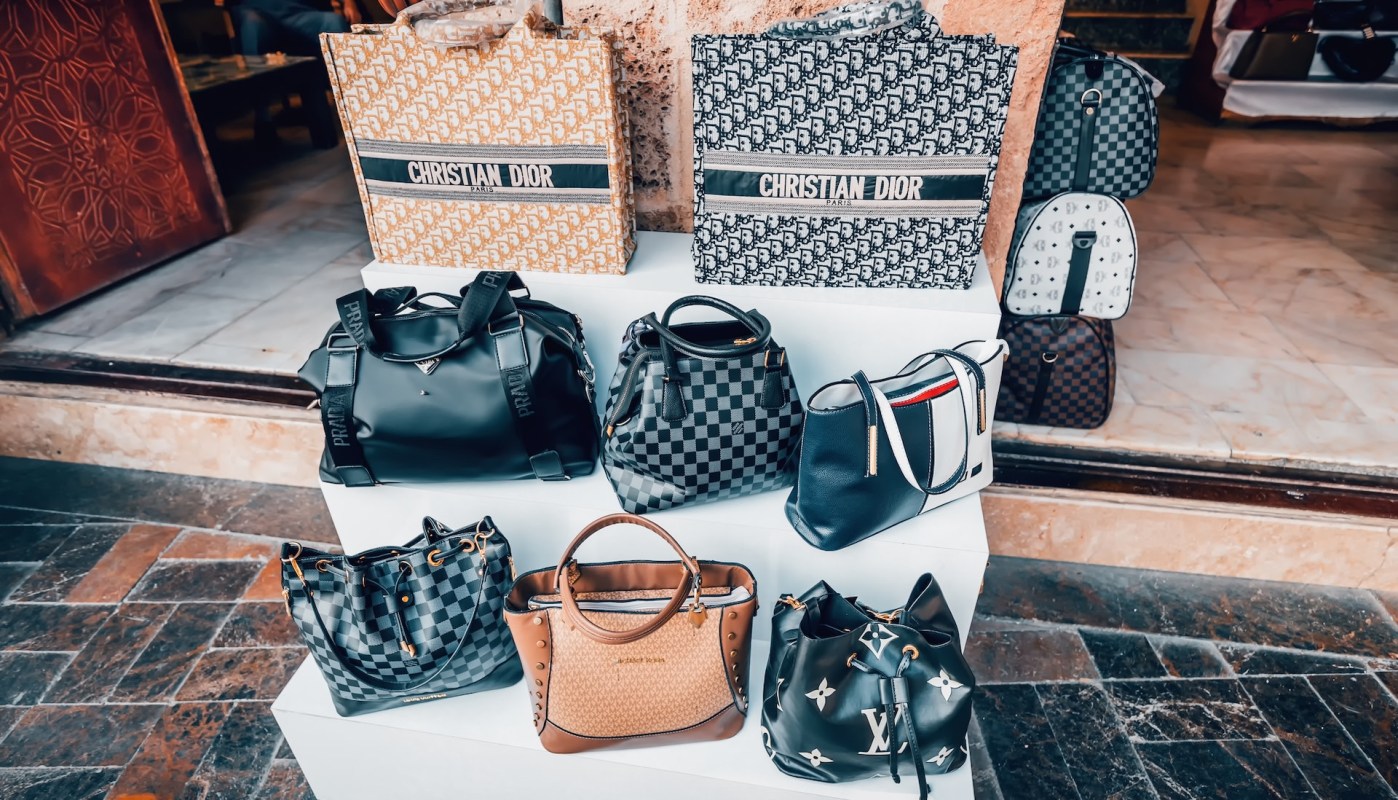
It's not often that luxury houses lose their footing. But 2025 is proving different, with even the most established brands starting to feel the squeeze.
Forbes reported that LVMH, the world's largest luxury group, saw its fashion and leather goods sales plunge 12% in the second quarter of 2025. Net profits dropped 22% in the first half of the year. For a company that has long seemed untouchable, the downturn signals a broader shift in consumer habits — and that may be good news for both wallets and the environment.
According to Forbes, LVMH's revenues across all segments dropped 4% in the first half of the year, while net profits fell 22%. The fashion and leather goods segment, which includes Louis Vuitton, Dior, and Loewe, was hit the hardest.
CEO Bernard Arnault tried to keep optimism alive, saying the company showed "solidity in the current context" and added, "In periods when the economic climate is more difficult, when the market slows down, which is the case today, we tend to come out stronger."
Still, industry researchers say the challenges aren't going away anytime soon. Bain & Company described the situation bluntly: "Turbulence is set to be the sector's new baseline for an extended period."
For luxury leaders, that means adjusting to a shrinking pool of "aspirational" customers who are less willing to spend thousands of dollars on trend-driven goods.
Here's why that matters beyond fashion.
The fast fashion industry mirrors luxury in its push for constant new styles, but the environmental costs are staggering. The system thrives on overproduction and overconsumption, sending millions of cheaply made garments into landfills each year. It pollutes waterways with dyes, sheds microplastics into the oceans, and generates massive amounts of carbon pollution.
On top of that, much of the clothing is produced under exploitative labor conditions. And for shoppers, it's not a bargain at all: flimsy clothes wear out quickly, forcing constant replacement and wasting money over time.
Signs of a shift are already appearing.
TCD Picks » Quince Spotlight
💡These best-sellers from Quince deliver affordable, sustainable luxury for all




In Ghana, consumers are left dealing with beaches littered with textile waste from fast fashion imports. Italy recently fined Shein for greenwashing, a reminder that accountability measures are catching up with the industry. And while some fast fashion chains like Forever 21 continue to collapse, others are being replaced by secondhand and resale alternatives. Even mainstream entertainment is joining in — the hit show Love Island made headlines for styling contestants in thrifted eBay outfits instead of new fast-fashion wardrobes.
The luxury slowdown may be rough for brands, but it could open the door for a healthier fashion system — one that prioritizes durability, secondhand shopping, and circular alternatives over constant excess.
|
What should the government do about the fast fashion industry?
Click your choice to see results and speak your mind. |
 Set strict regulations 🚫
Join our free newsletter for good news and useful tips, and don't miss this cool list of easy ways to help yourself while helping the planet.
Cool Picks






